Emma KLING
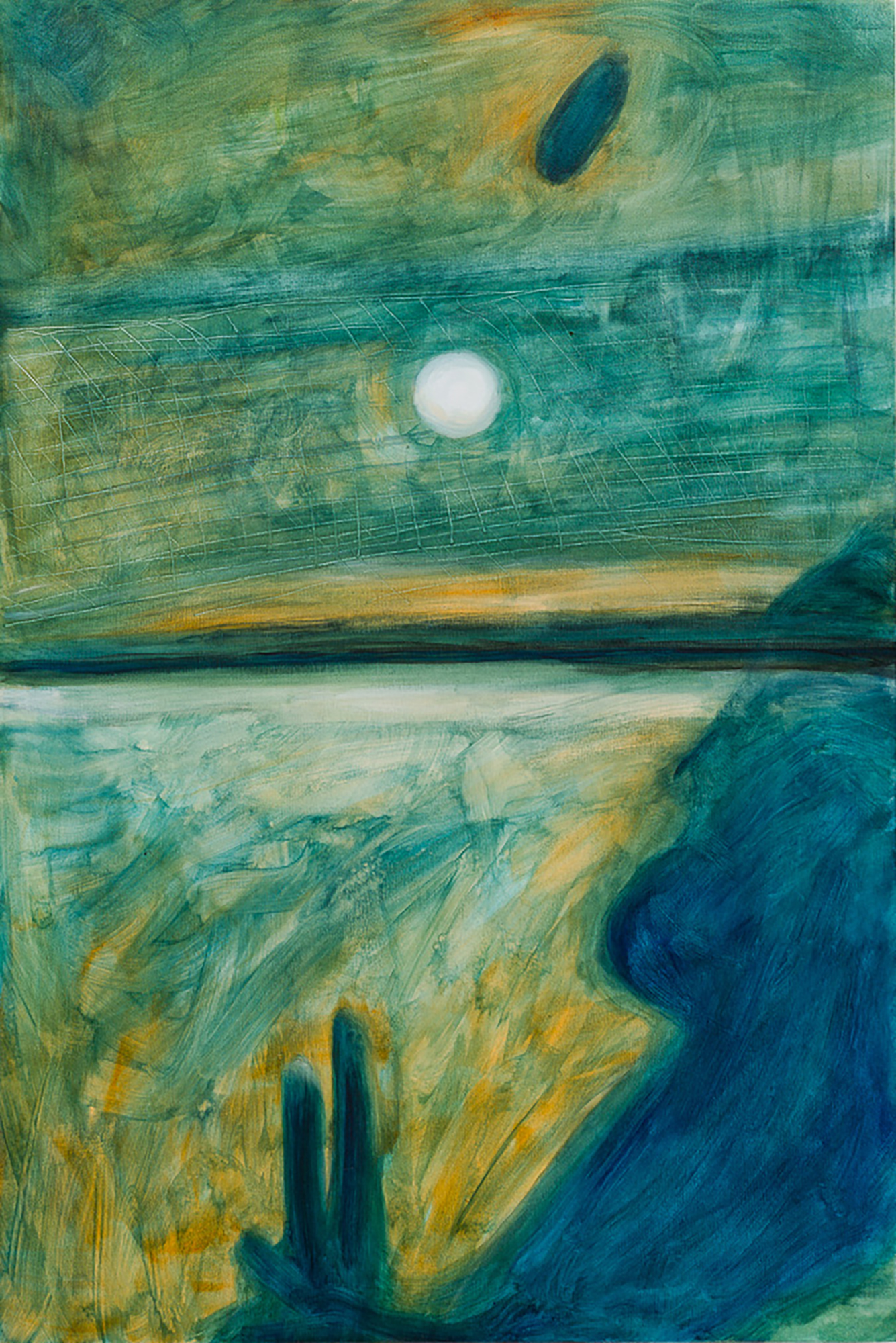
Angts 2., 2026
oil on wood panel, 60×40 cm
About the artist
Emma Kling (1996)’s artistic practice centers on the processes of translation and transformation between painting, sculpture, installation, and text. She conceives of her works as open spaces of inquiry, where personal experience and theoretical research intertwine and mutually shape one another. Her paintings are created on canvas and wood, but also take the form of sculptural elements, installations, texts, and publications.
The process of self-discovery, the perception of the body, and its continuous transformation play a prominent role in her work. A recurring motif is the “snail-shaped changing room”, familiar from the beaches of Lake Balaton, which serves as a metaphor for transience, metamorphosis, and the shifting states of identity. The tension between the private and the public, the internal and the external, and protection and vulnerability is a defining organizing principle in her work. Her paintings often feature fluid forms, multiple perspectives, shadows, absence, and negative spaces. She is particularly interested in everything that remains hidden or becomes visible only indirectly: the imprints of the body, shadow as a psychological and social metaphor, and the visual representation of invisible labor and experiences.
Kling’s pictorial and spatial works often step outside the traditional framework of painting, placing the viewer in situations that are at once playful, sensitive, and unsettling. Each of her exhibitions can be interpreted as a temporary stage in an ever-evolving process of research and creation.
2018 - 2024
2022
Esterhazy Art Award, shortlist
2025 All this trouble for a comb, Stein*Stein, Krems
Artworks
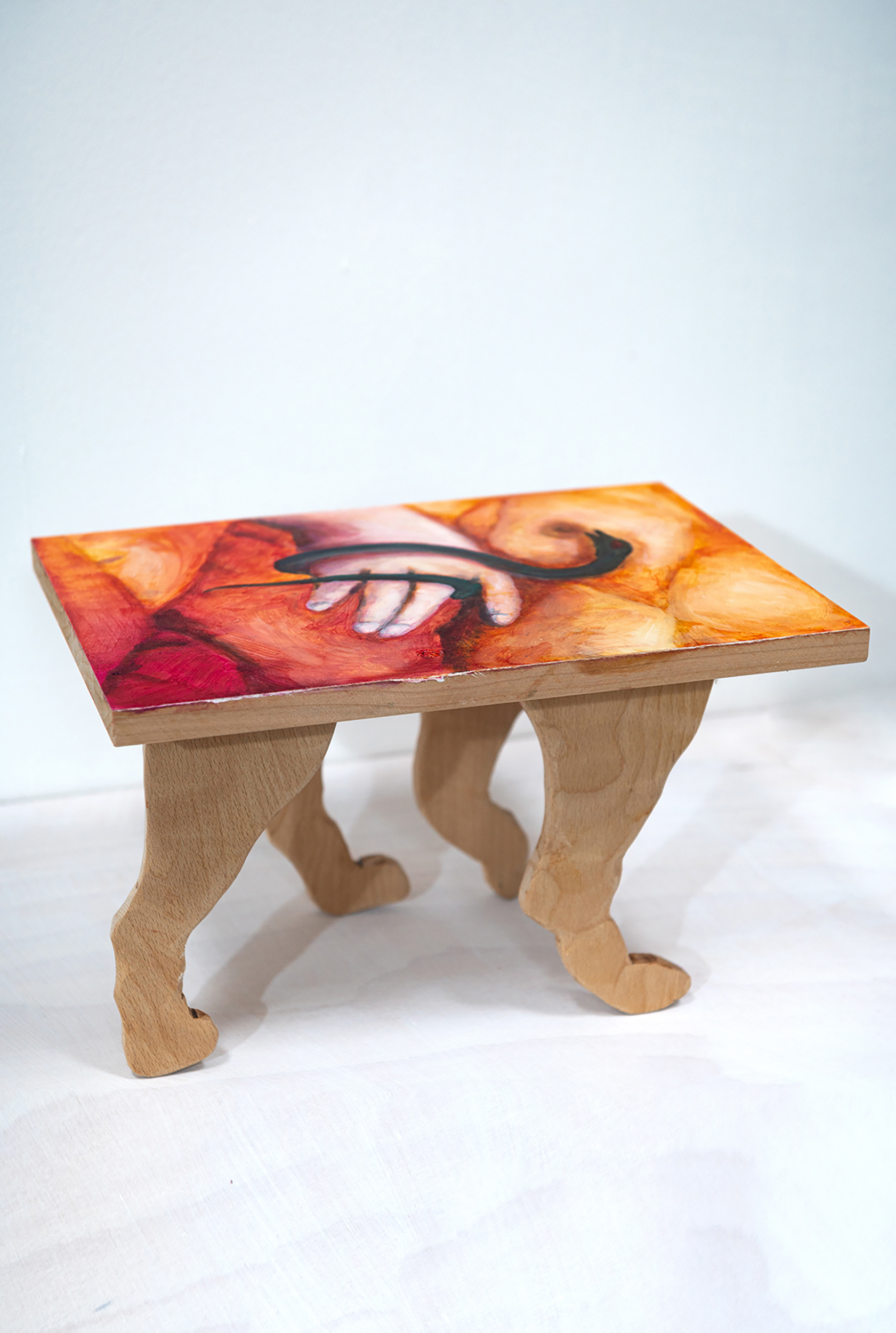
Phantom Limbs 8., 2025
oil on wood, 35×23×25 cm
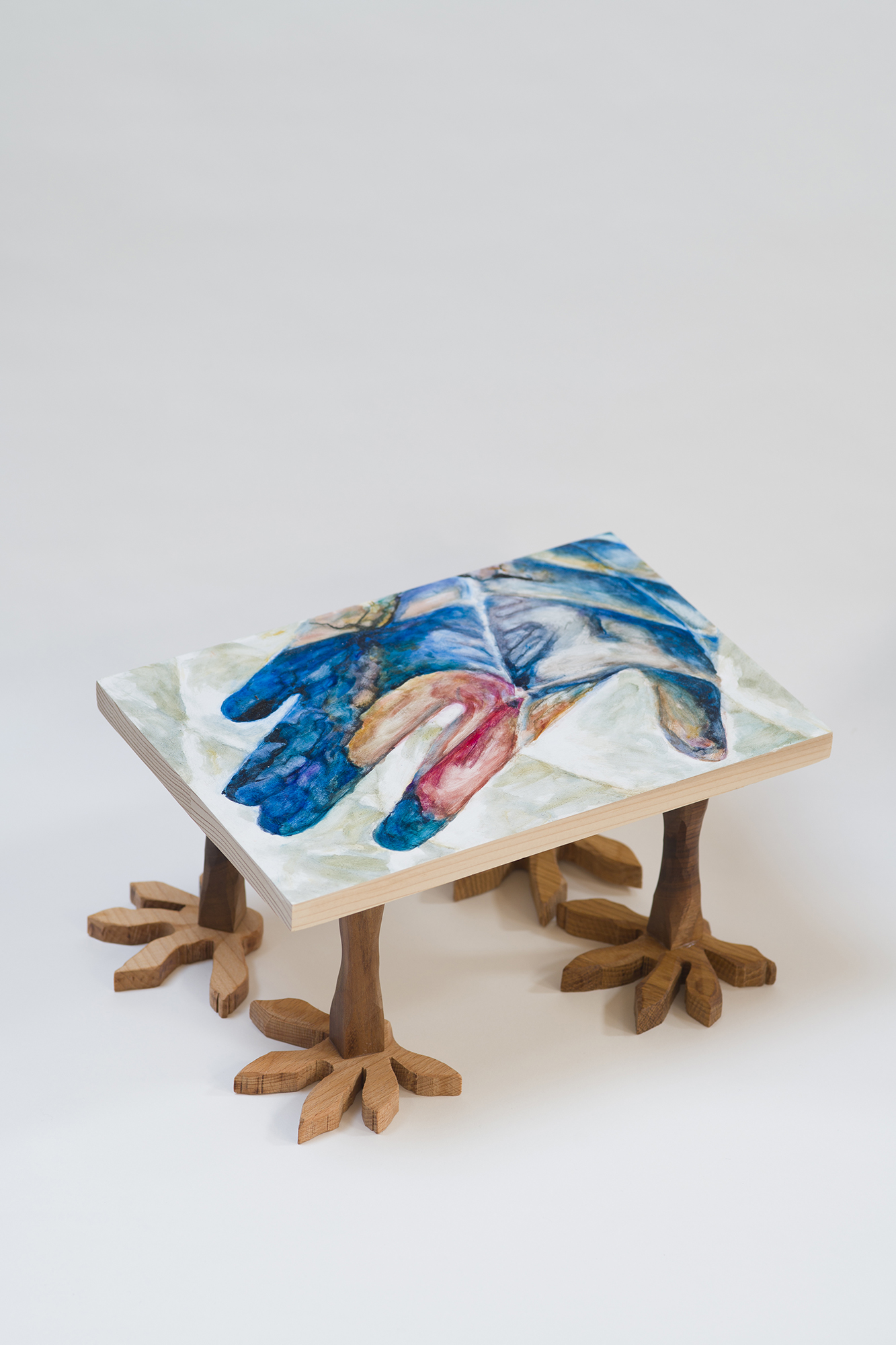
Phantom Limbs 10., 2024
oil on wood, 35×23×11cm
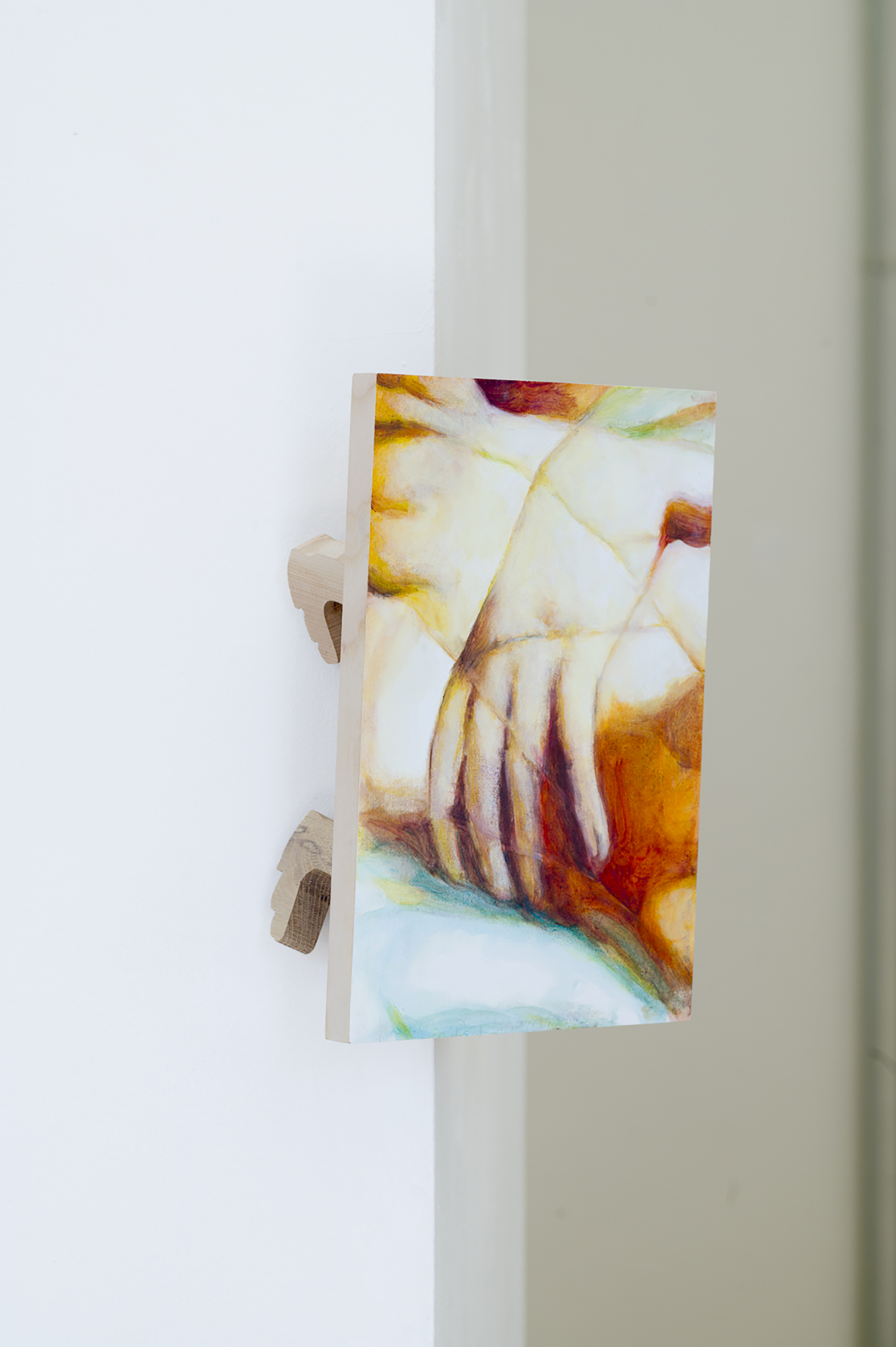
Phantom Limbs 5., 2024
oil on wood, 30×20×16 cm
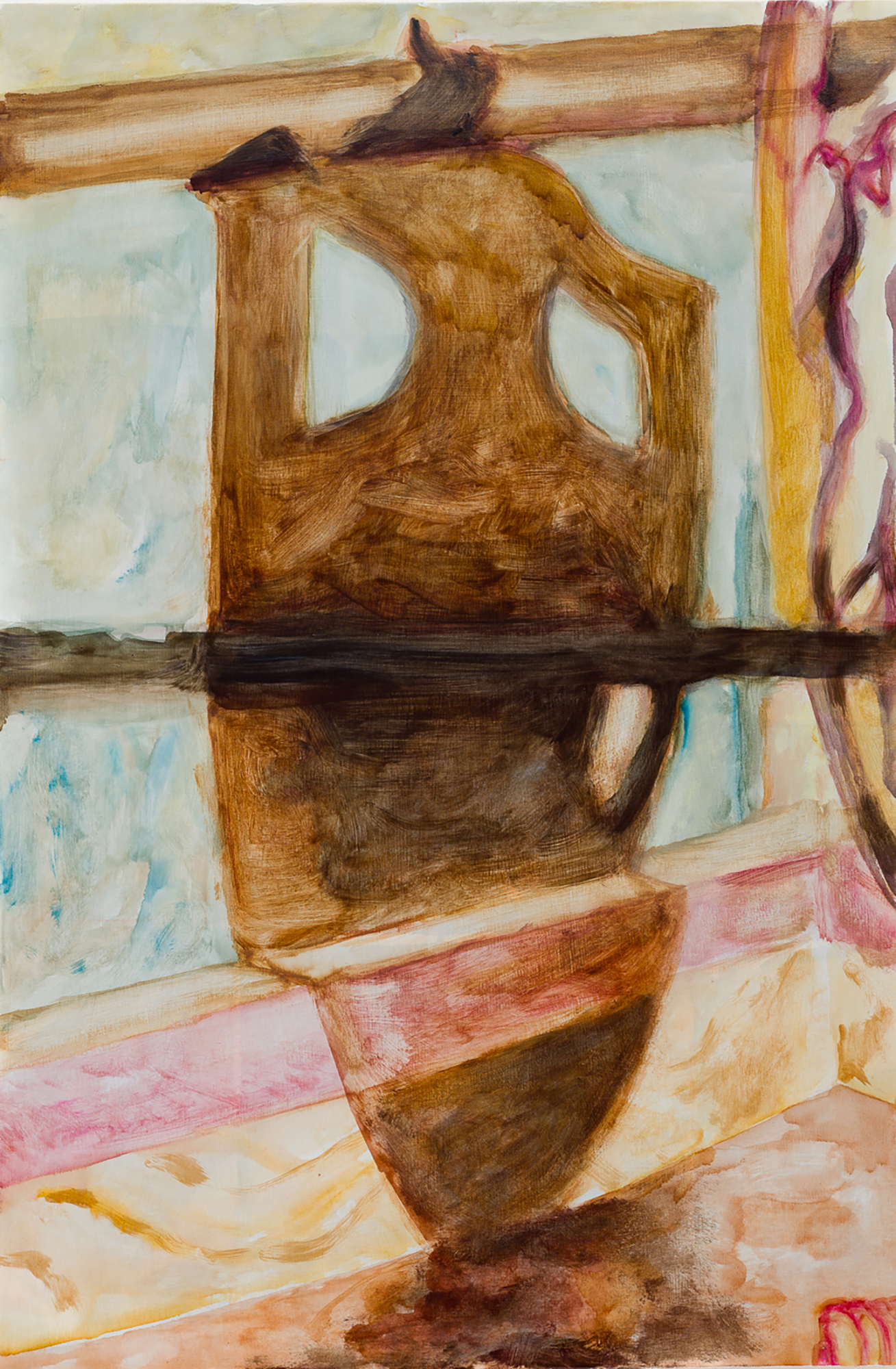
Threshold Object, 2026
oil on wood, 60×40cm
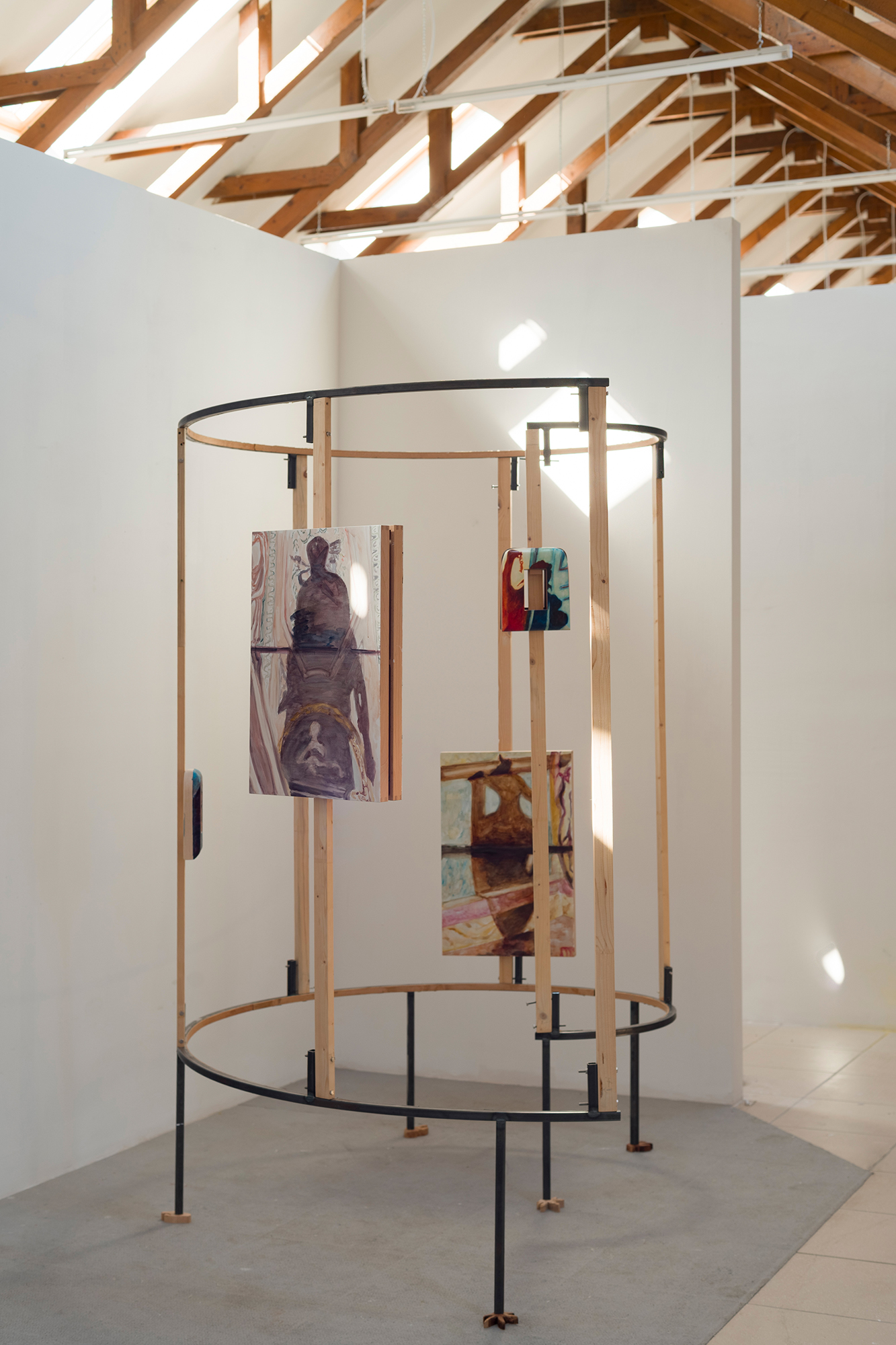
Spiral Changing Room, 2026
oil, wood, steel, 200×165×130cm
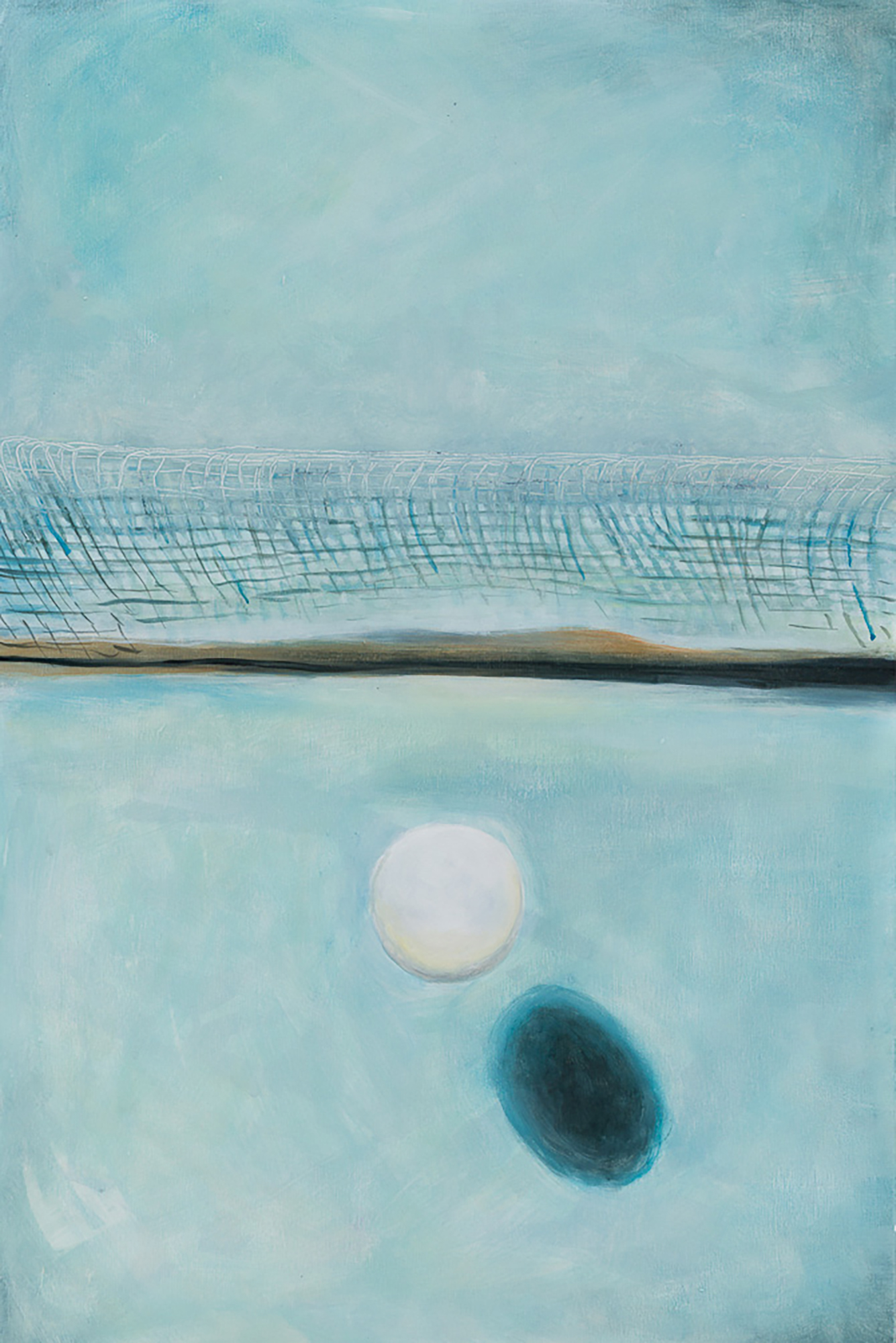
Angts 1., 2026
oil on wood, 60×40 cm
Angts 2., 2026
oil on wood, 60×40 cm
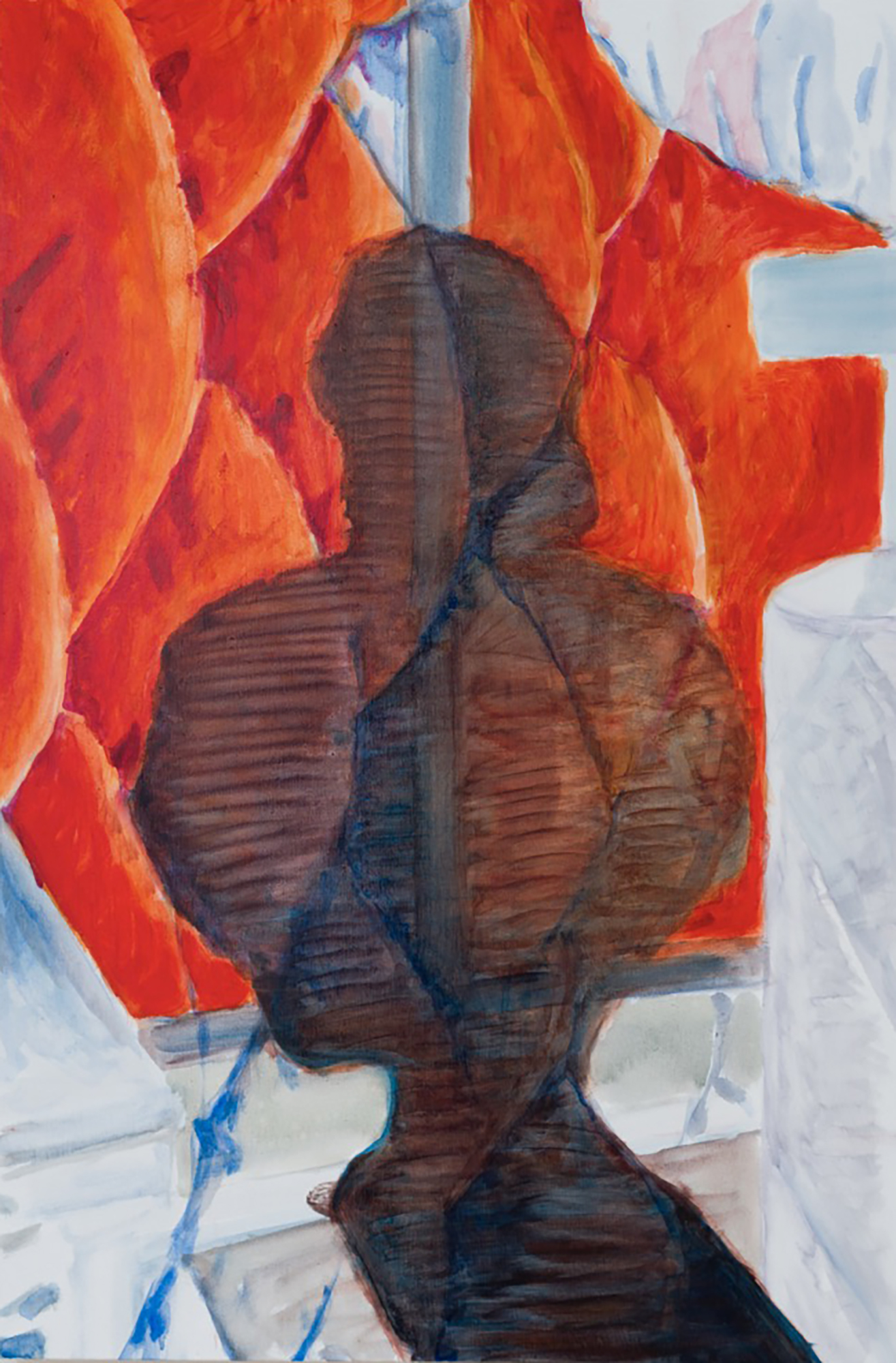
You Can‘t Ghost a Ghost 7., 2026
oil on wood, 60×40cm
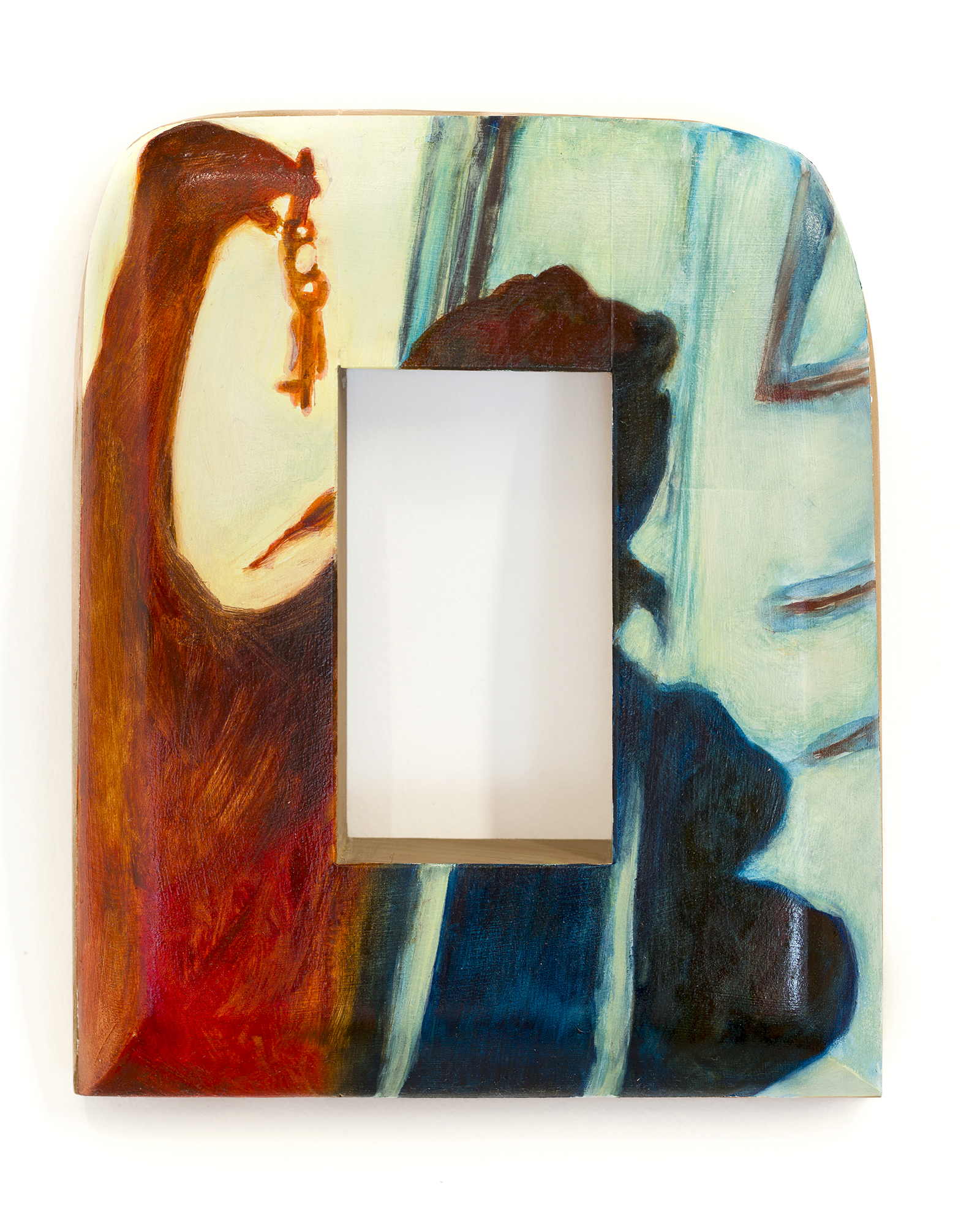
Car Headrest 5., 2026
oil on wood, 24×18×4cm
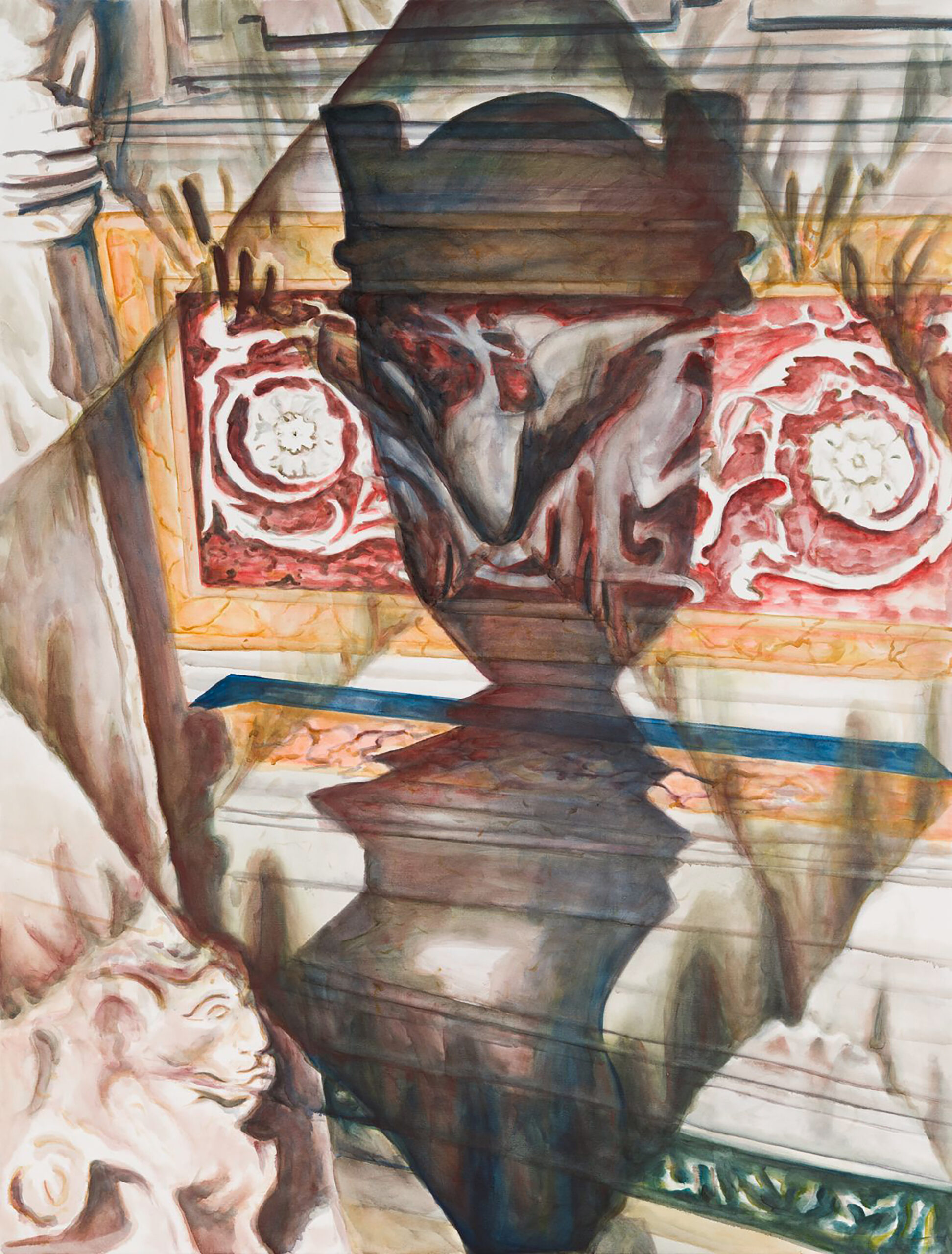
You Can‘t Ghost a Ghost 3., 2025
oil on canvas, 180×130 cm
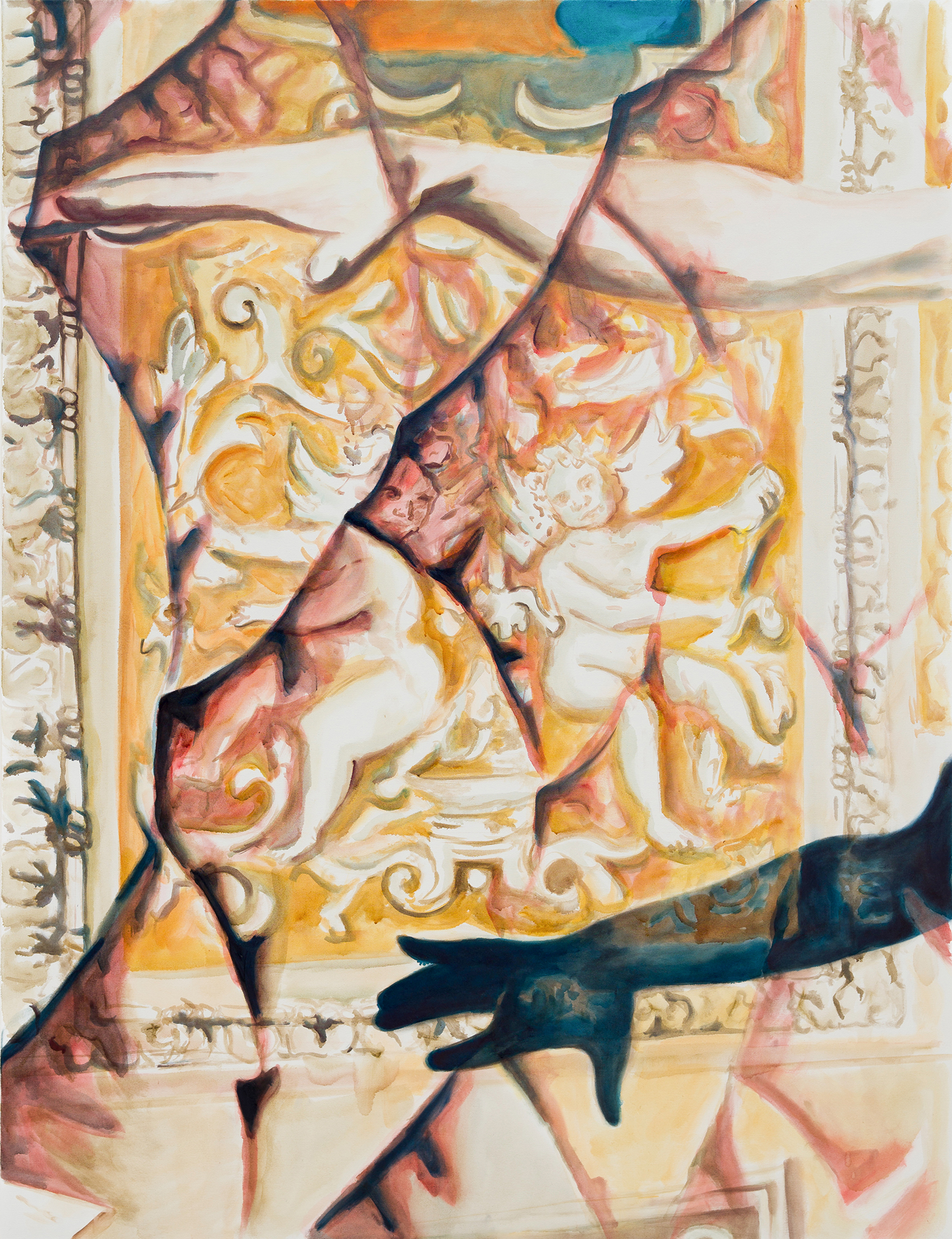
You Can‘t Ghost a Ghost 4., 2025
oil on canvas, 180×130 cm
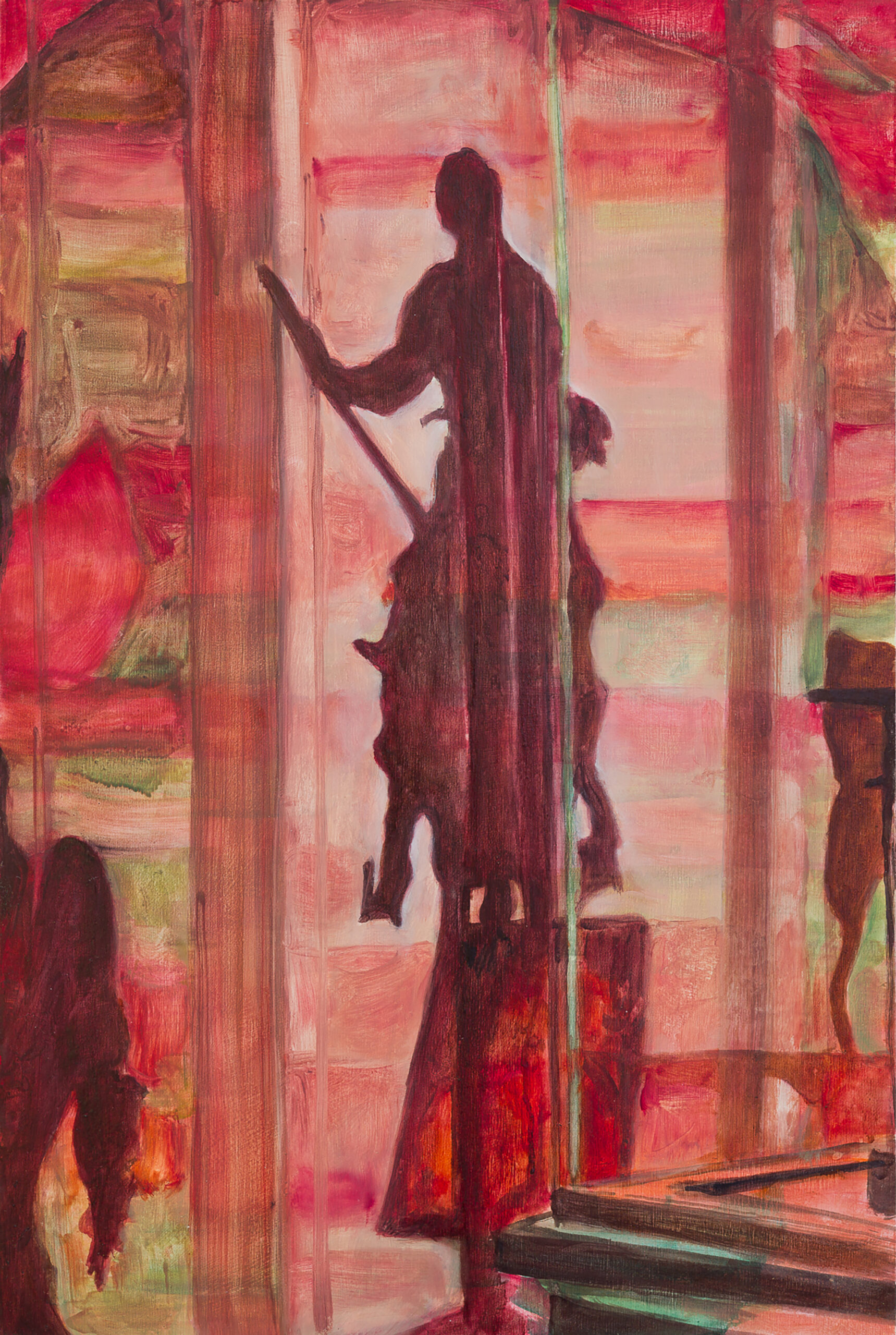
Systemchange, 2026
oil on wood, 60×40 cm
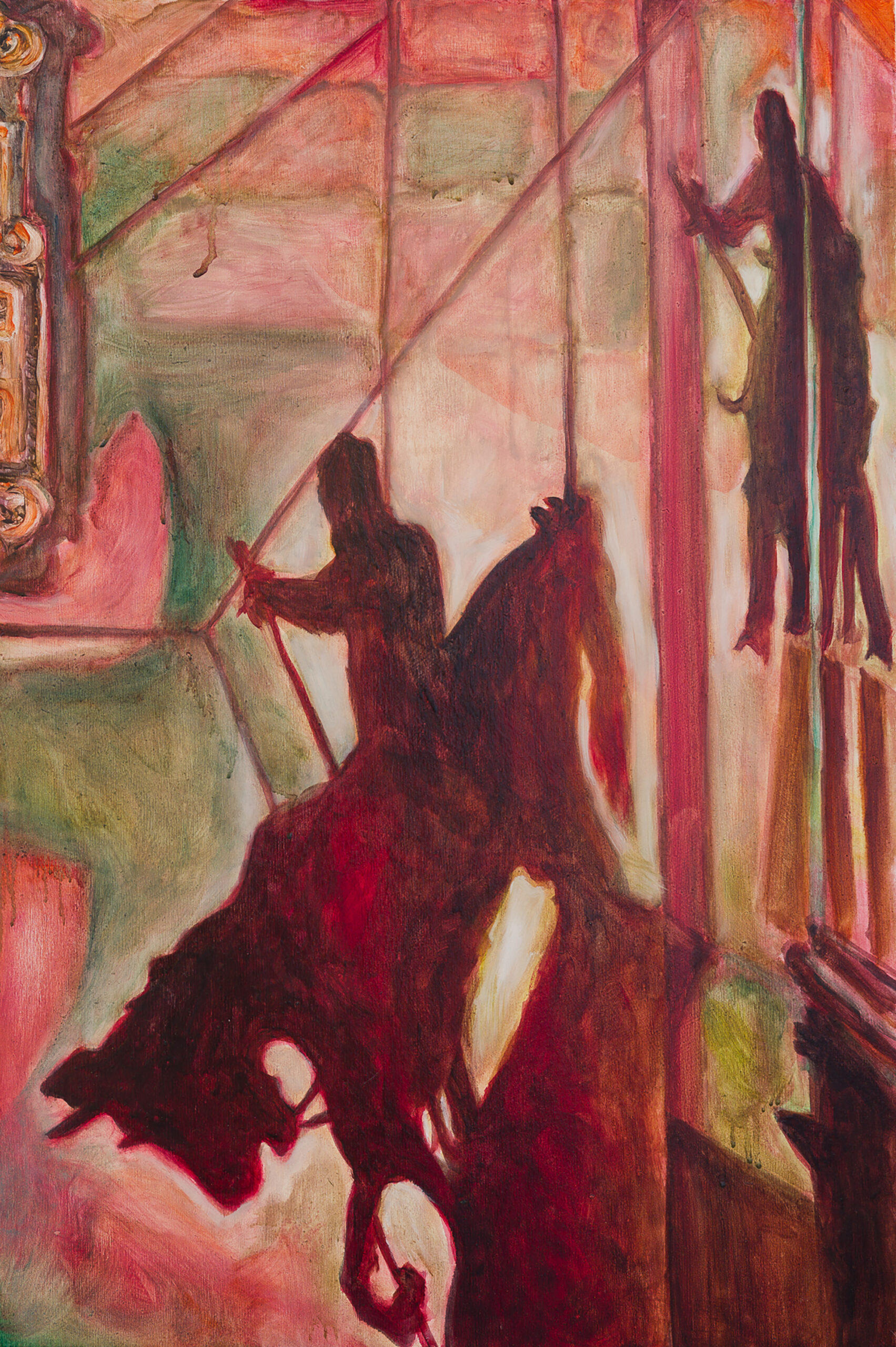
Systemchange 2., 2026
oil on wood, 60×40 cm
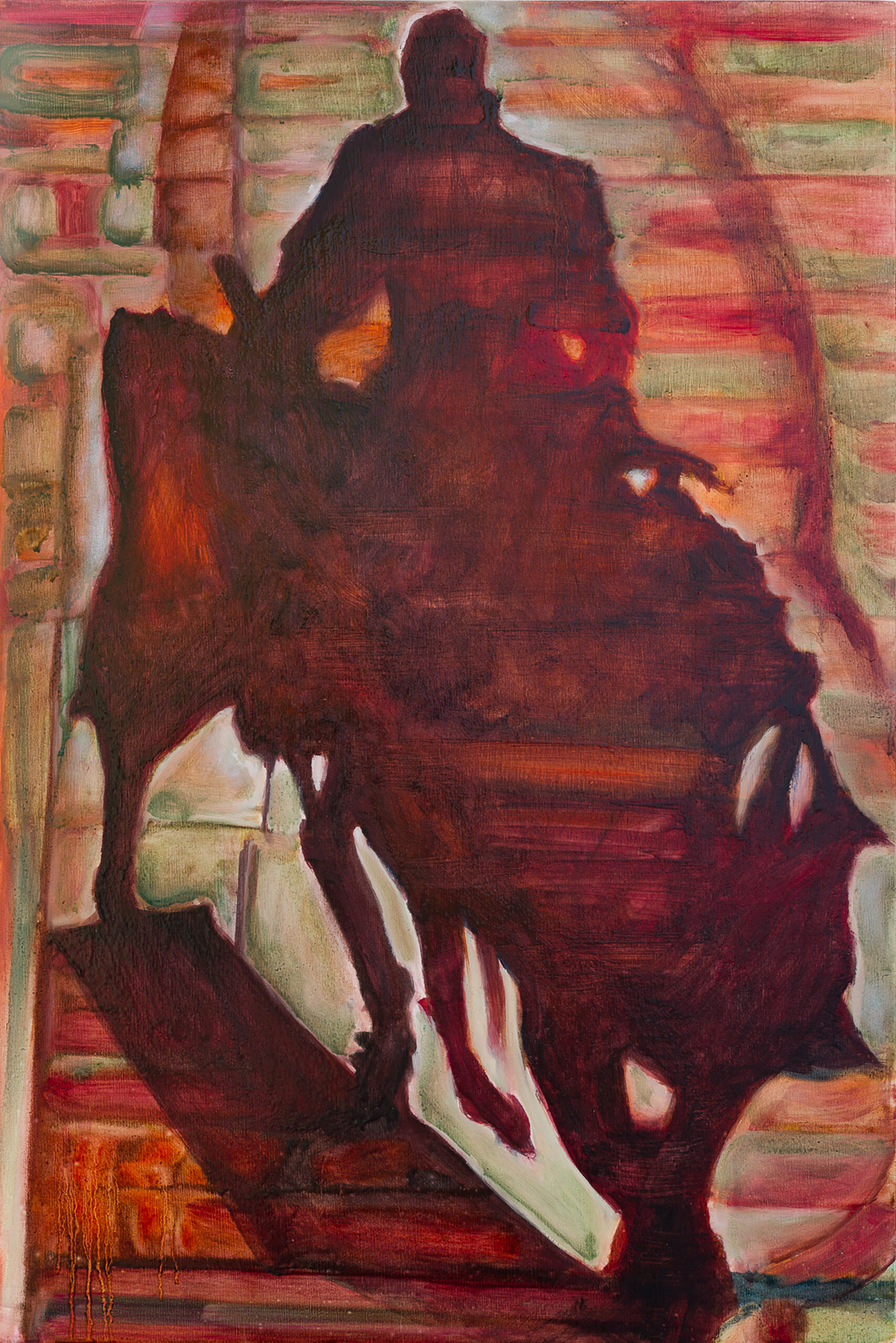
Systemchange 3., 2026
oil on wood, 60×40 cm
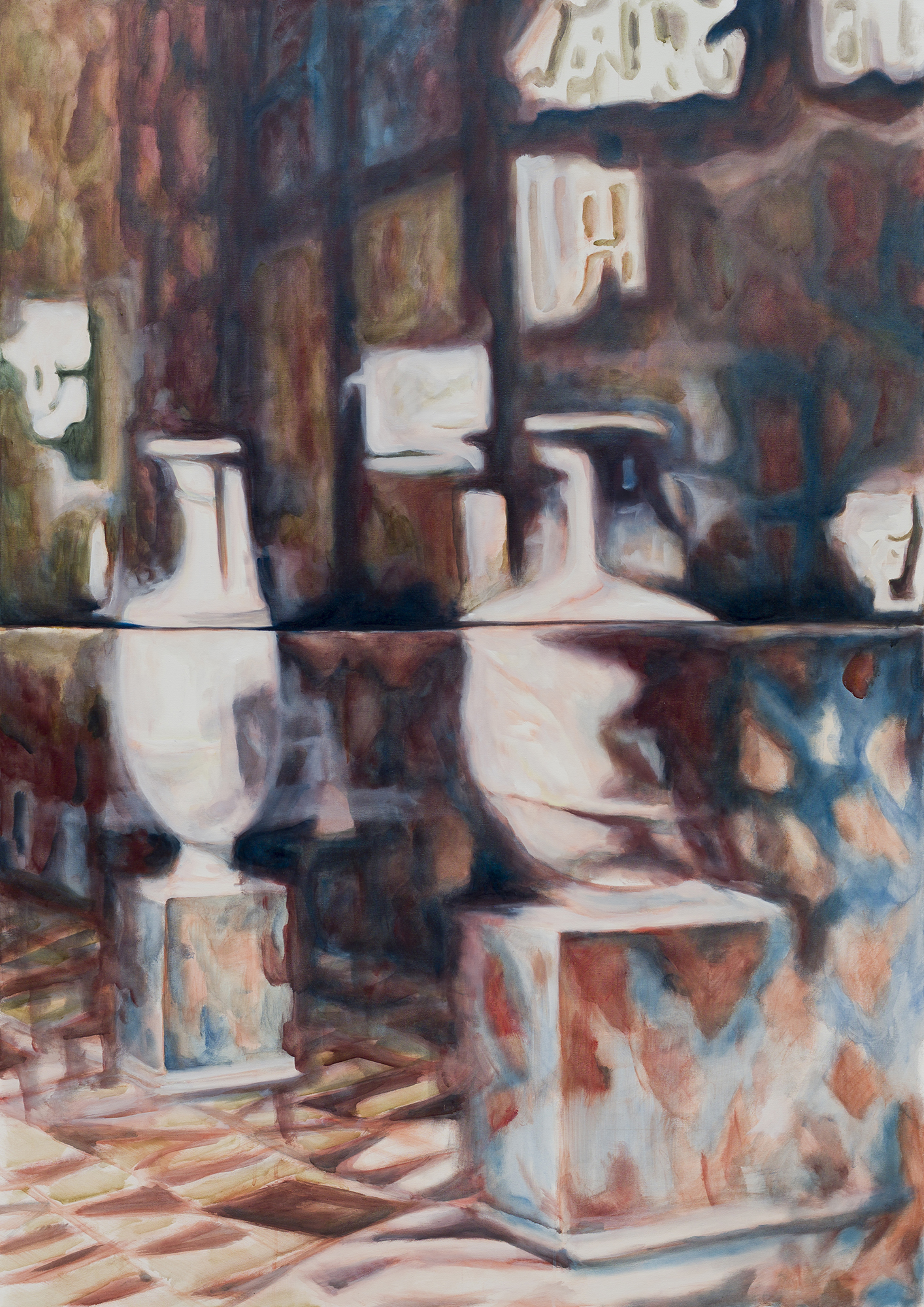
Threshold Twins, 2026
oil on cotton, 170×120 cm
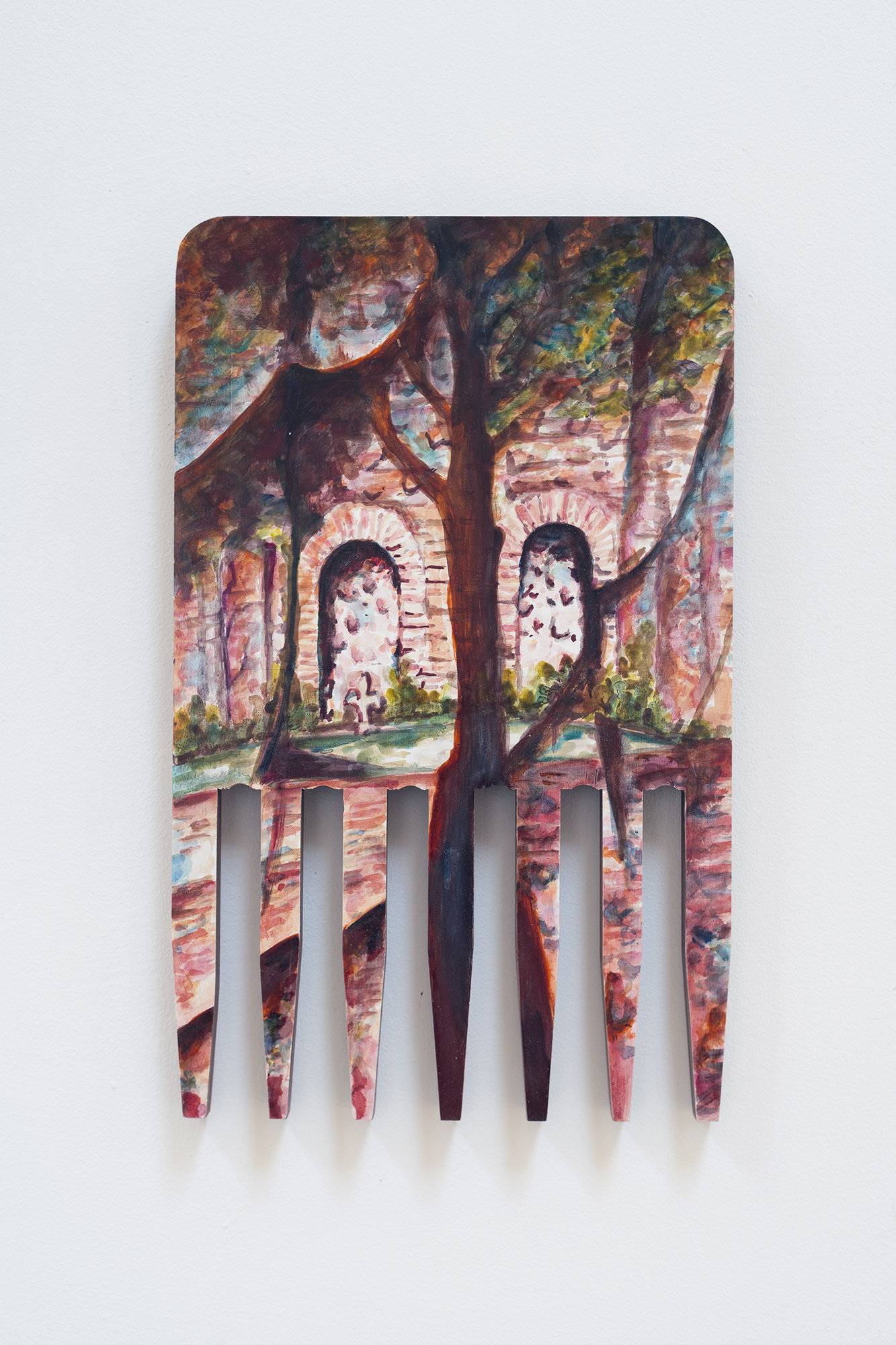
All This Trouble for a Comb, 2025
oil on wood, 40×25cm
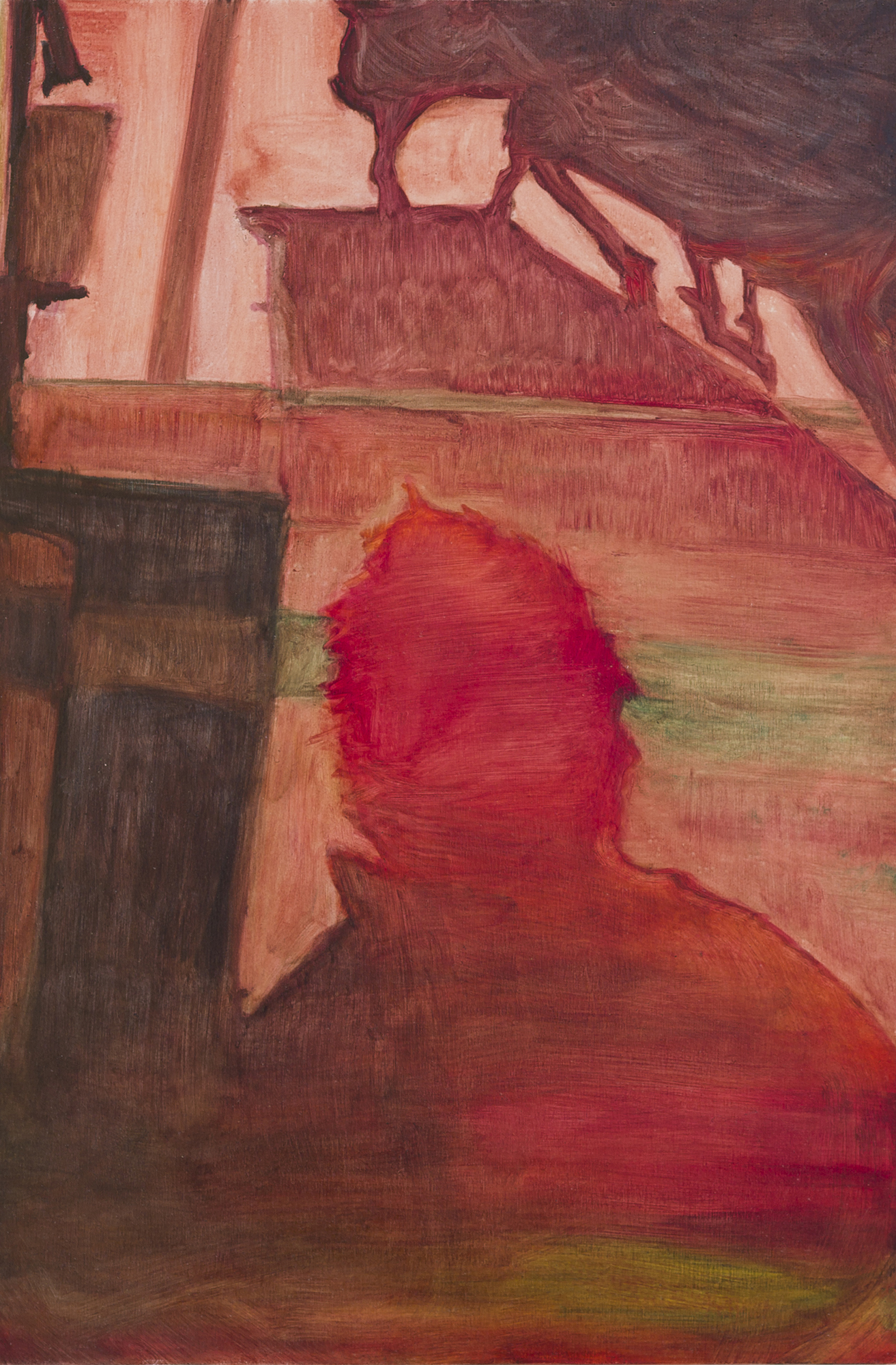
Dealing in Splendour, 2026
oil on wood, 60×40 cm
.
Exhibitions
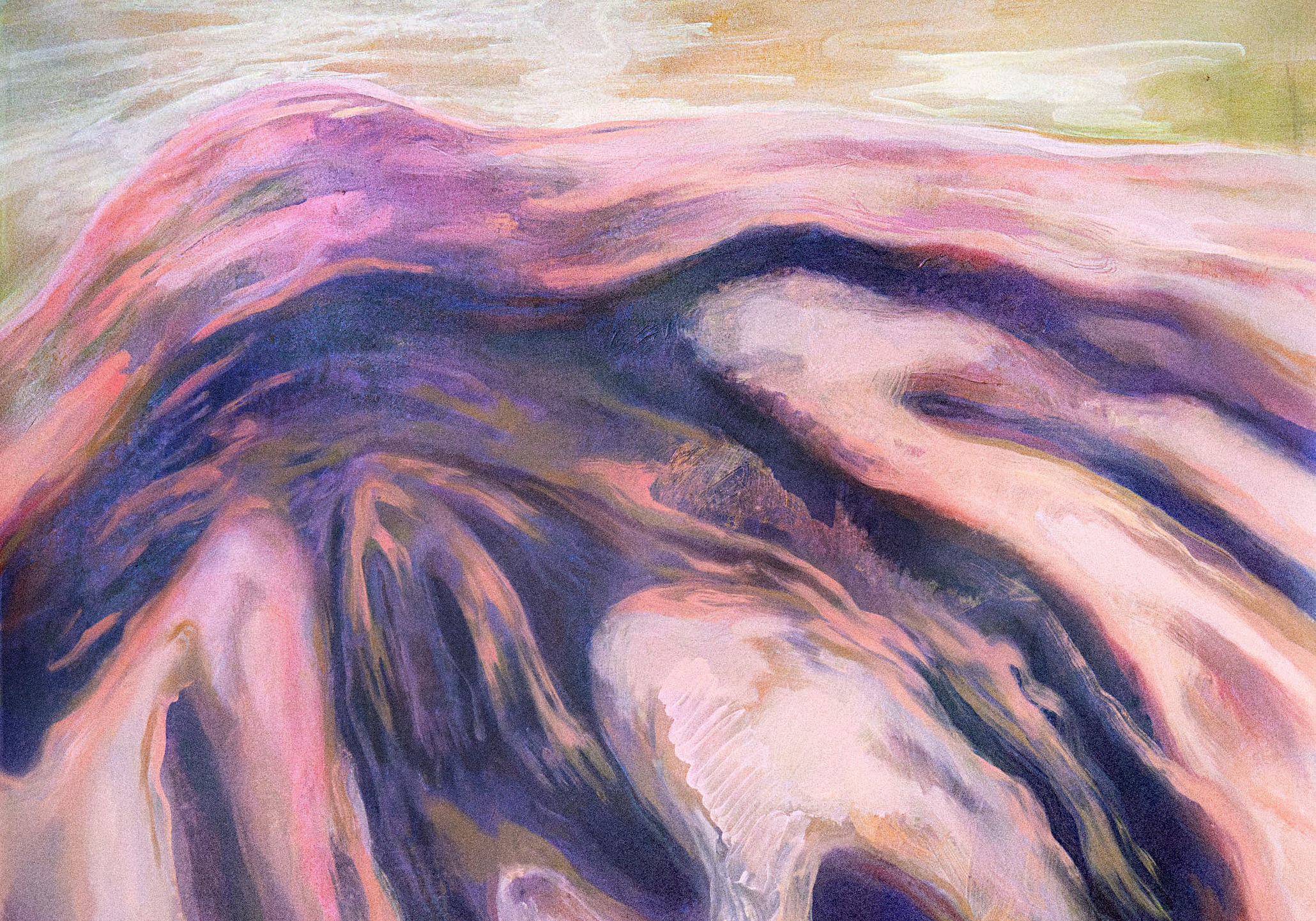
Inner Spaces
26 March – 14 May 2026
Rechnitzer Gallery's next exhibition brings together the works of three young artists in dialogue with each other – alongside Eszter KÁLÓCZY, who has already exhibited at the gallery, the works of Júlia CSAPÓ and Emma KLING will be on display for the first time. In their paintings, pictorial objects, and installations, different interpretations of outside and inside enter into dialogue: internal, subjective spaces enter into constant tension with the external environment, which can be described and understood objectively.