a
a
Júlia CSAPÓ,
Eszter KÁLÓCZY,
Emma KLING:
Inner Spaces
26 March – 14 May 2026
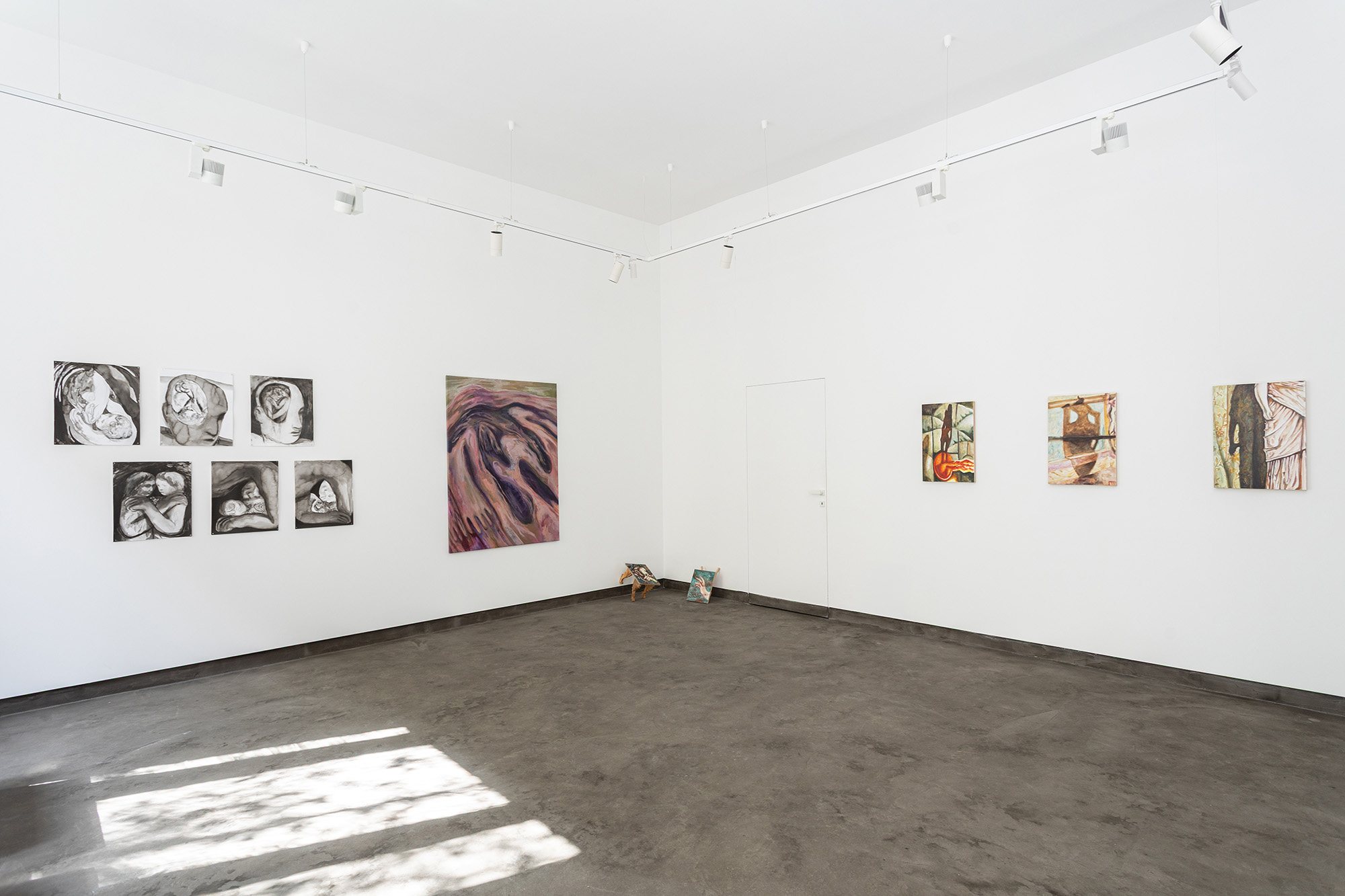
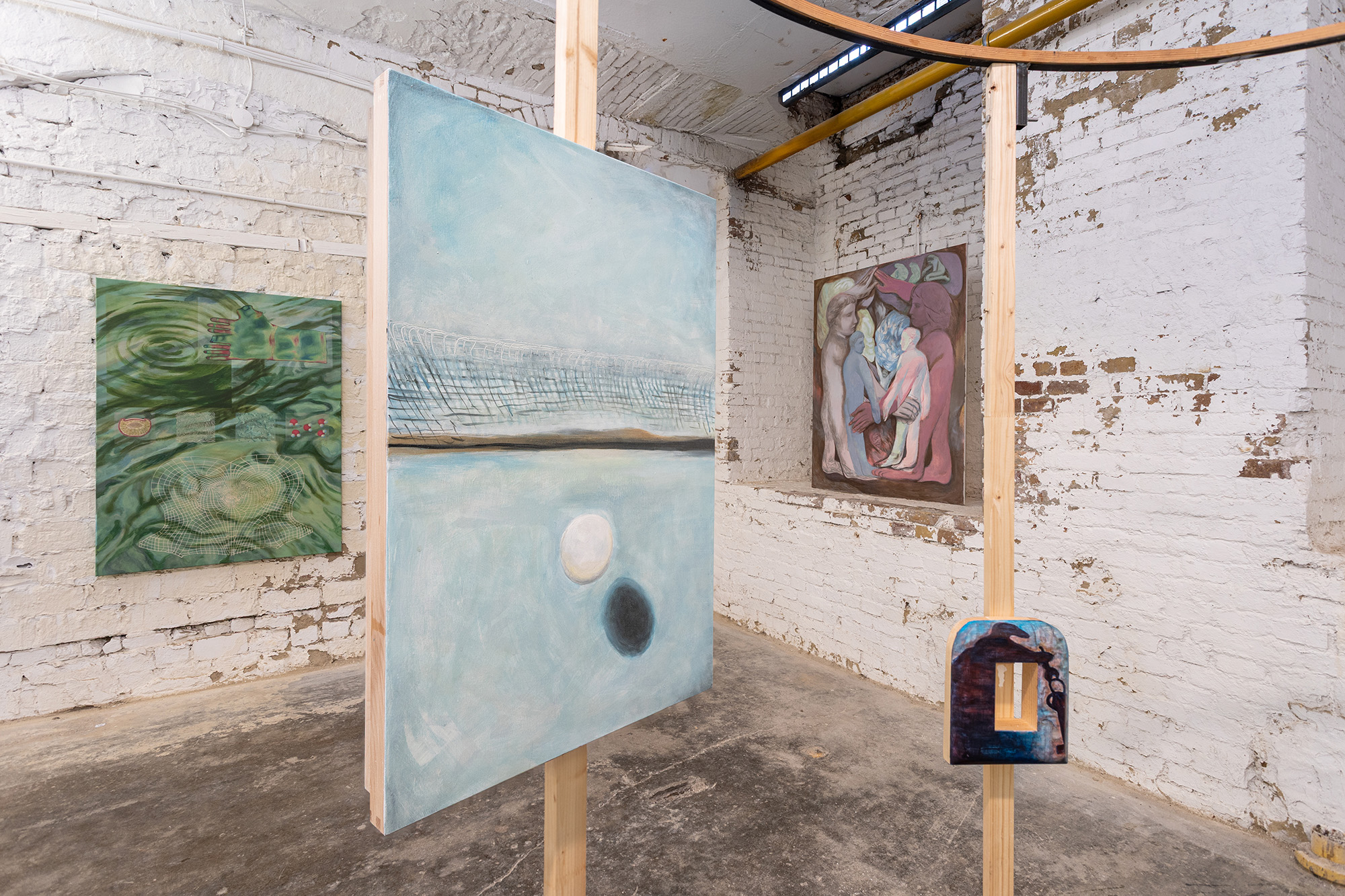
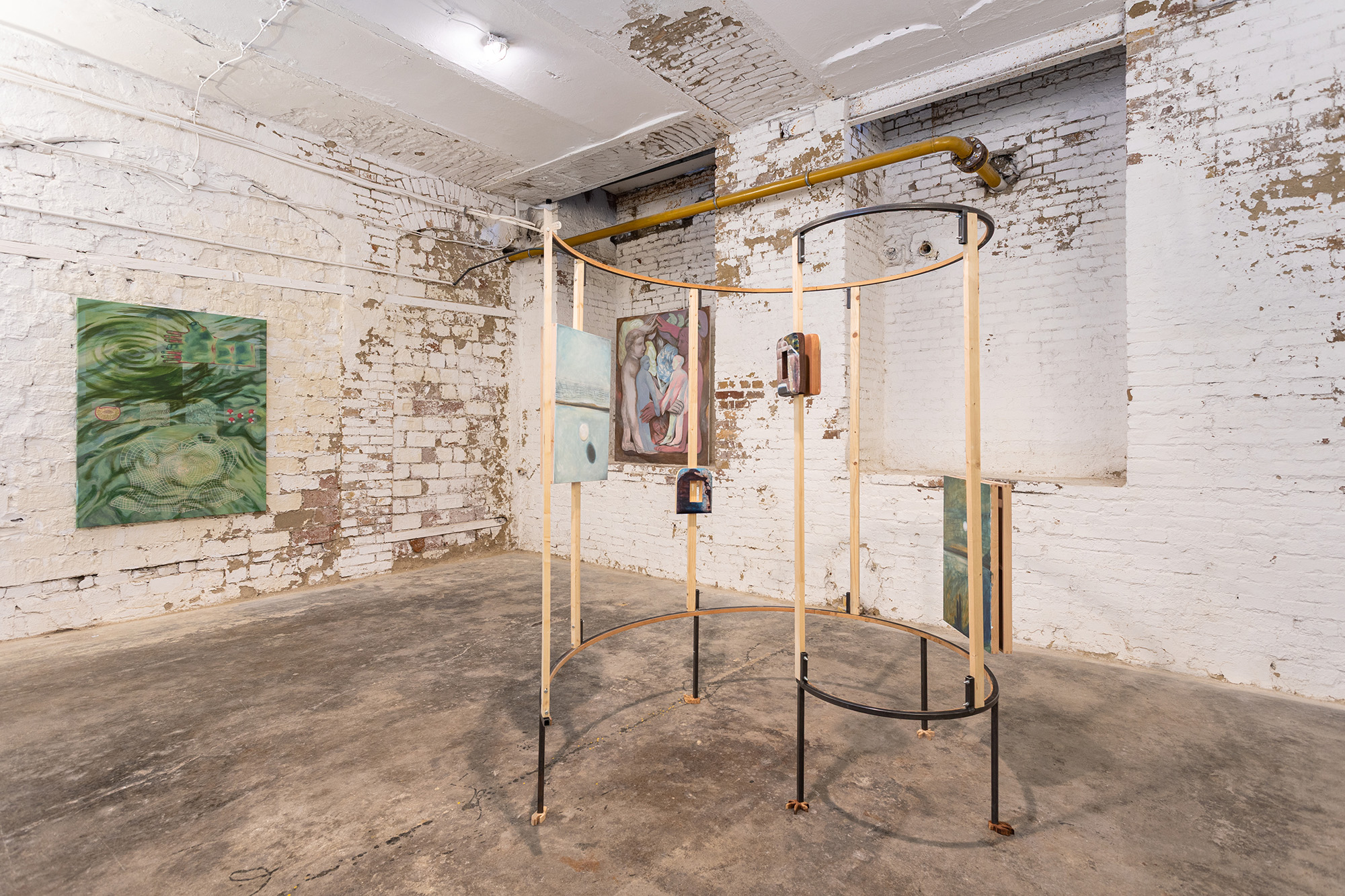
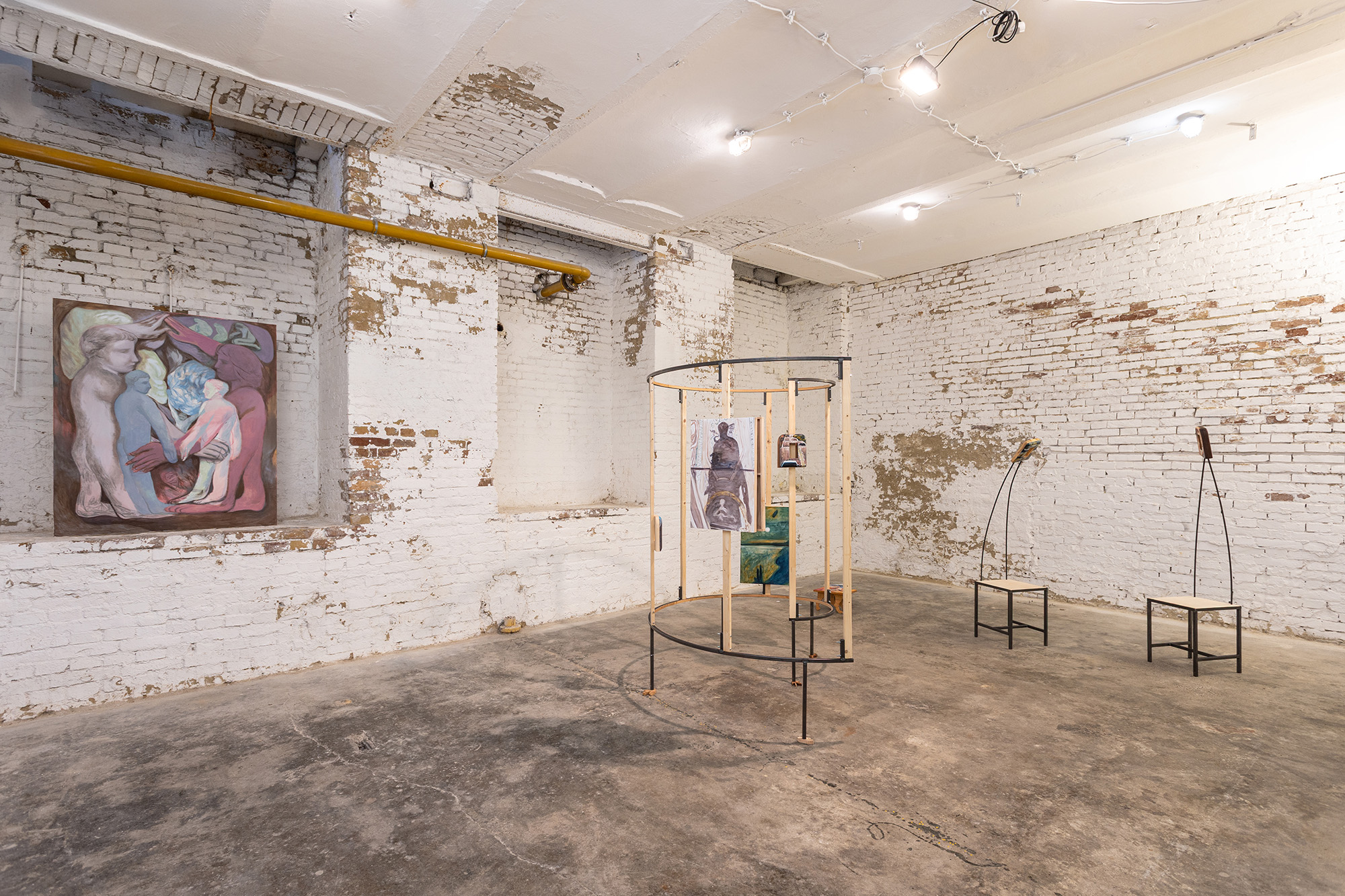
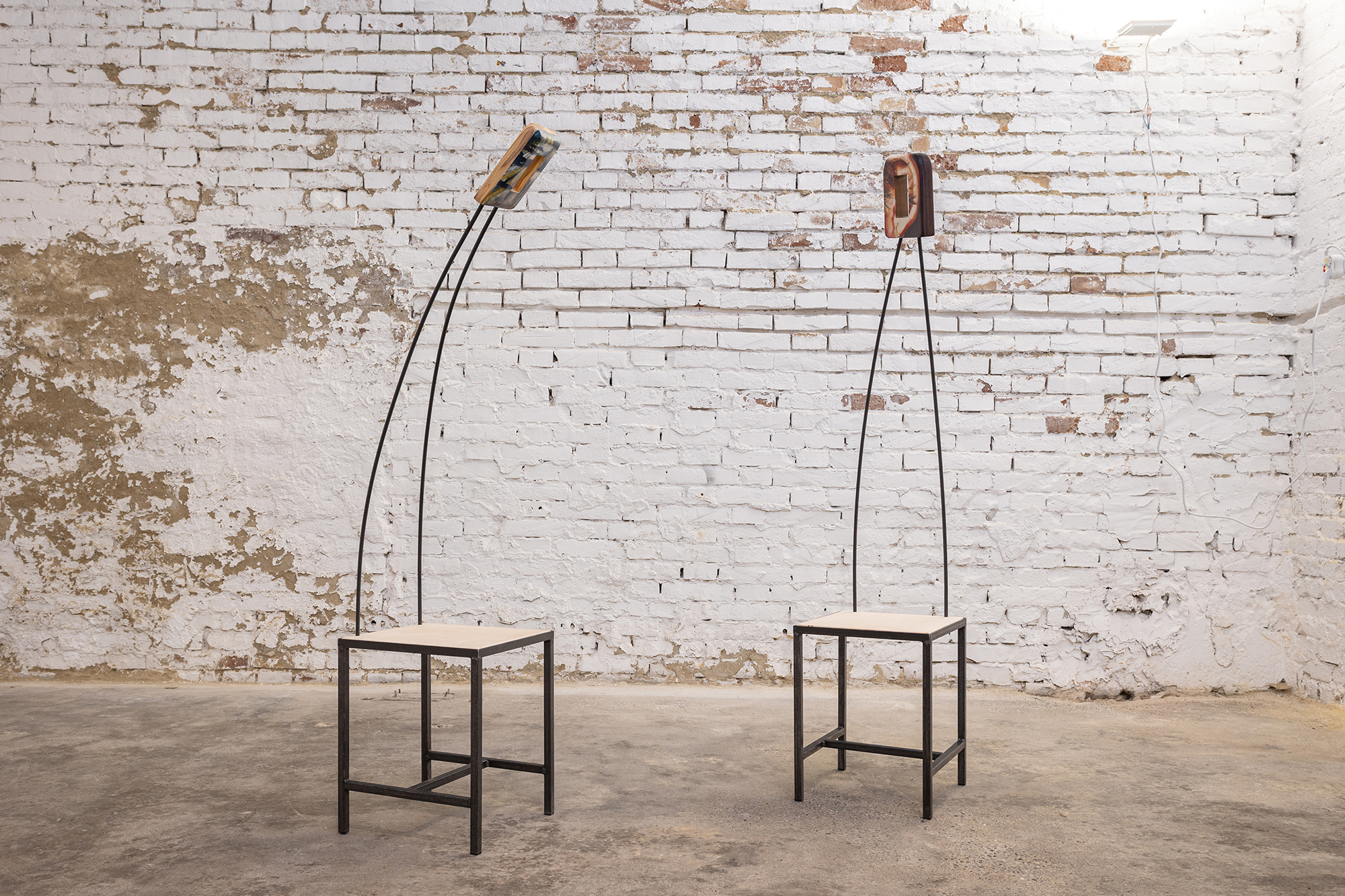
Rechnitzer Gallery's next exhibition brings together the works of three young artists in dialogue with each other – alongside Eszter KÁLÓCZY, who has already exhibited at the gallery, the works of Júlia CSAPÓ and Emma KLING will be on display for the first time. In their paintings, pictorial objects, and installations, different interpretations of outside and inside enter into dialogue: internal, subjective spaces enter into constant tension with the external environment, which can be described and understood objectively. The works seek answers to the following questions: what is the relationship between the rational mapping and cognition of the things around us and our personal imprint on them? How do our subjective bodily sensations, individual experiences, and hidden parts of ourselves affect the way we see the world? How can we connect with dimensions beyond the human realm, whether it be our own subconscious, our dreams, or non-human entities? The three artists reflect on these questions in their sensual works, rethinking figurative painting.
Starting from a contemporary reinterpretation of landscape painting, Julia Csapó is currently exploring the possibilities and limitations of human cognition and perception. Like the protagonists of Ildikó Enyedi’s new film, she is interested in whether a connection can be formed – and if so, what kind of connection – between humans and non-humans / more-than human beings. The artist was greatly influenced by sociologist Hartmut Rosa’s theory of resonance, according to which the ideal relationship between humans and the world is based not on dominance or immersion, but on mutual address and response – where both parties touch and transform the other while preserving their own distinctness. The translucent figures visible in her paintings – which simultaneously submerge into, disappear within, and interact with the landscape – evoke this type of connection. Elements and certain natural phenomena are also prominent in the paintings: water or caves are all settings where an encounter with the non-human can occur; while the pink, purple, or bluish-green “membrane bodies” emphasize a tactile perception in which somatic experience through the body becomes primary.
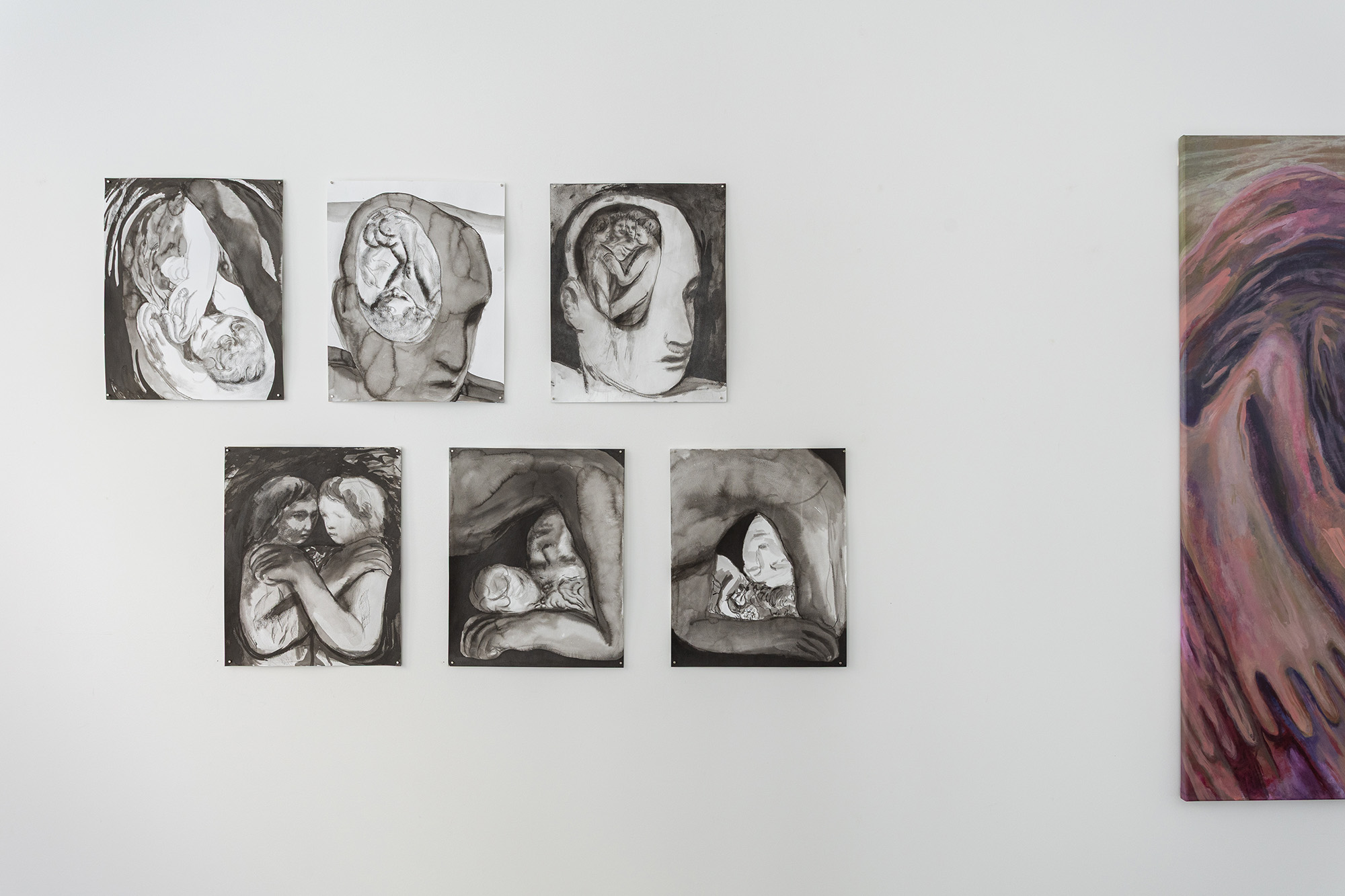
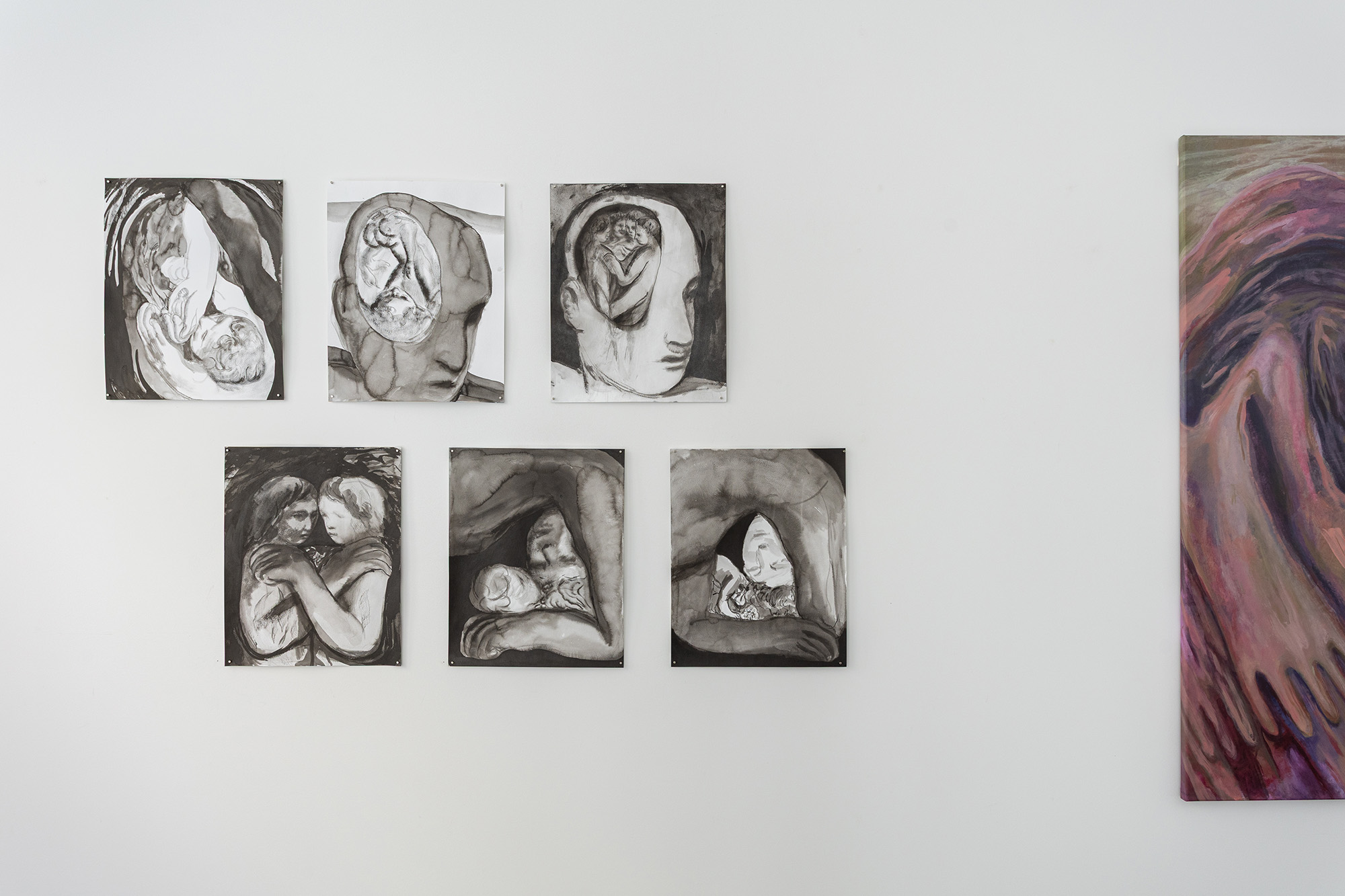
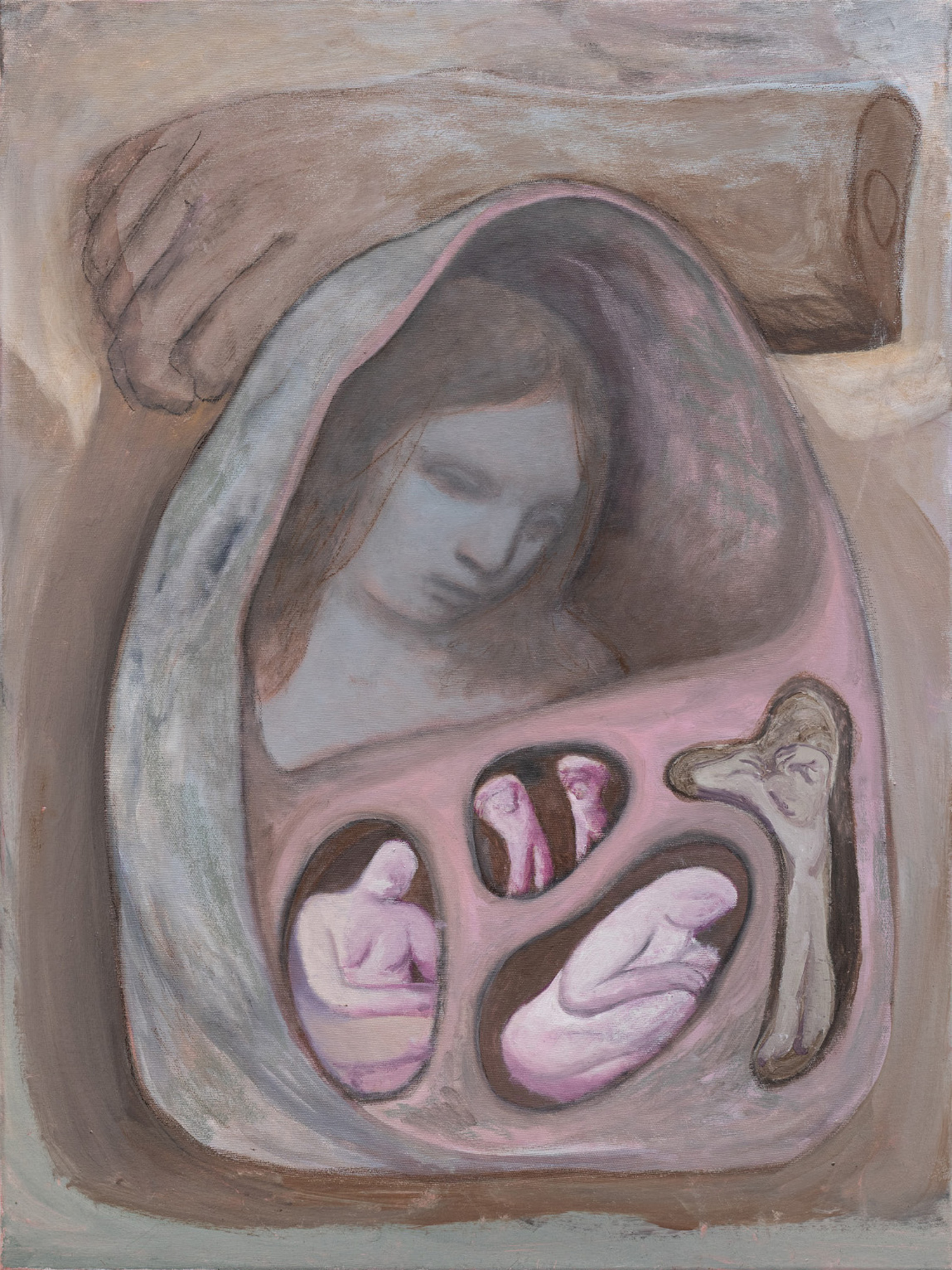
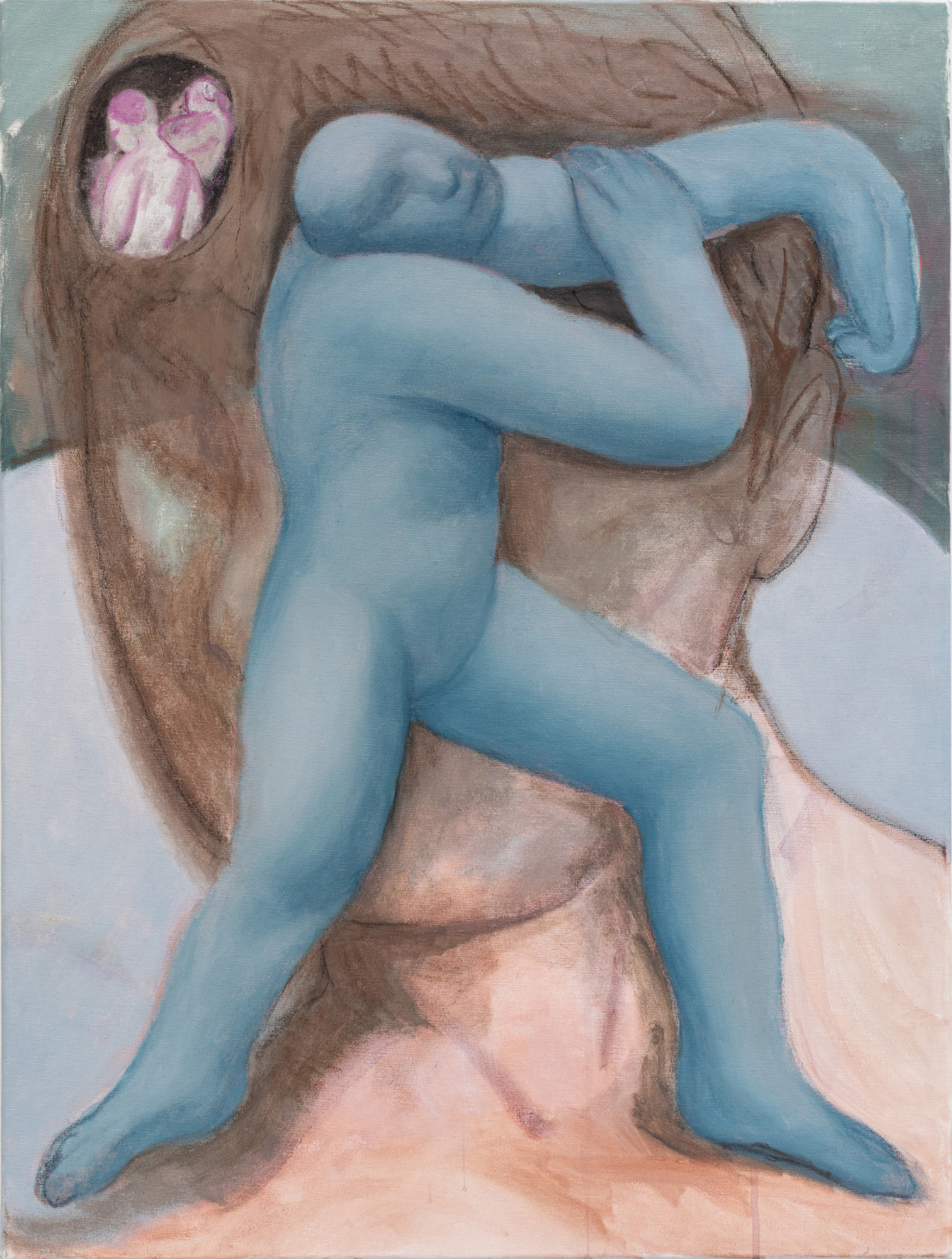
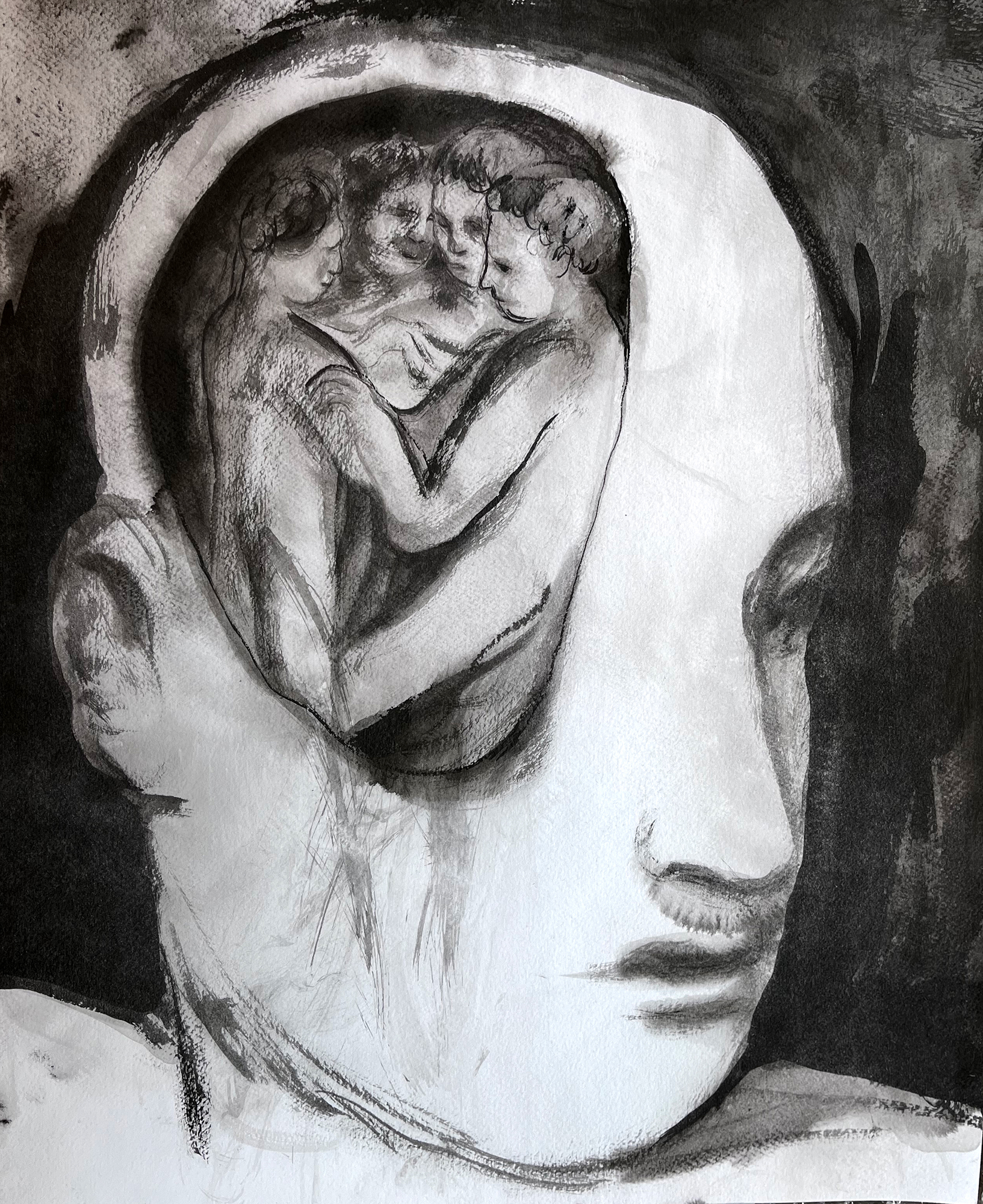
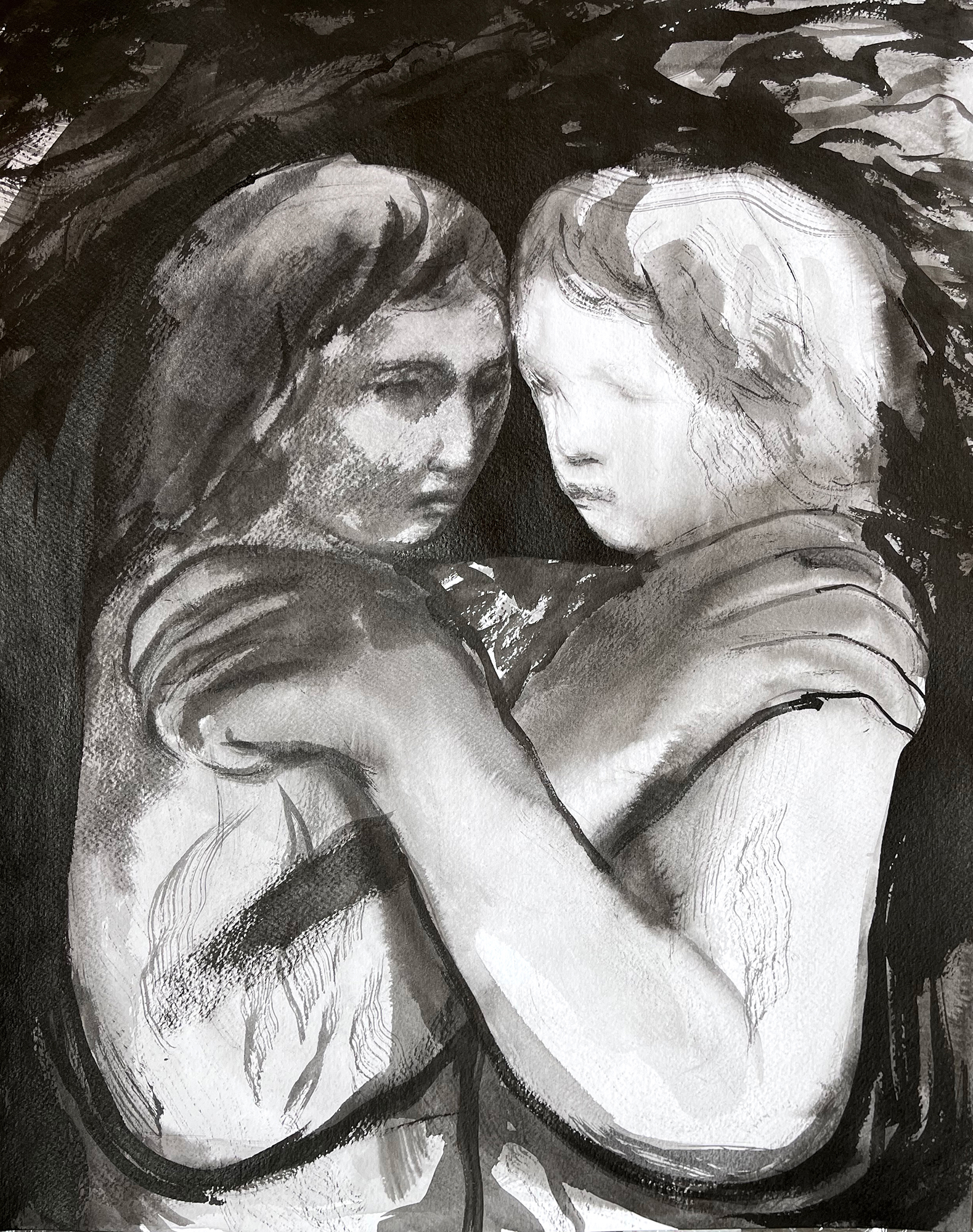
These cave-like spaces and cavities lead the visitor to the new paintings and drawings of Eszter Kálóczy, whose work often intertwines the depiction of inner processes, memories, and dreams with natural phenomena that symbolize the hidden or the subconscious feelings. In her new series the artist is also inspired by her dreams and their visual world, in which our forgotten and repressed memories surface, in all their fragmentation and confusion. According to Kálóczy, these experiences actively shape our present and how we relate to the world around us: in her works, she strives to make these often difficult-to-verbalize feelings and attitudes visible. In her pastel-colored compositions influenced by Surrealism, figures that attempt to connect with one another yet remain separate are seen, locked within their own inner worlds, as if in a kind of fortress. Yet the movement in the images and the dynamism of the gestures also suggest that the mind, even as a fortress, is dynamic and capable of change: it simultaneously protects and supports the individual so that, while facing their inner fears, they dare to connect with the outside world.
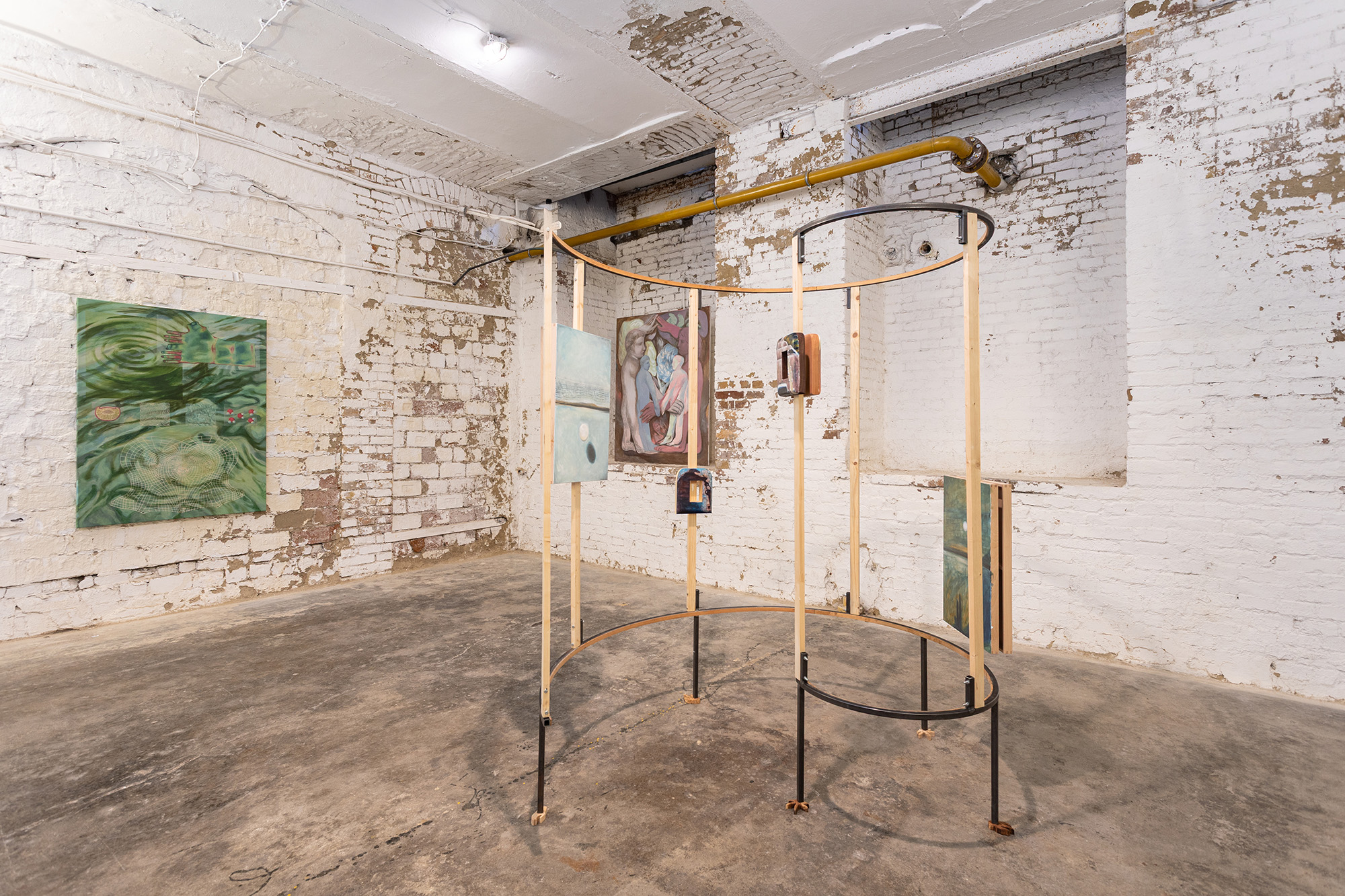
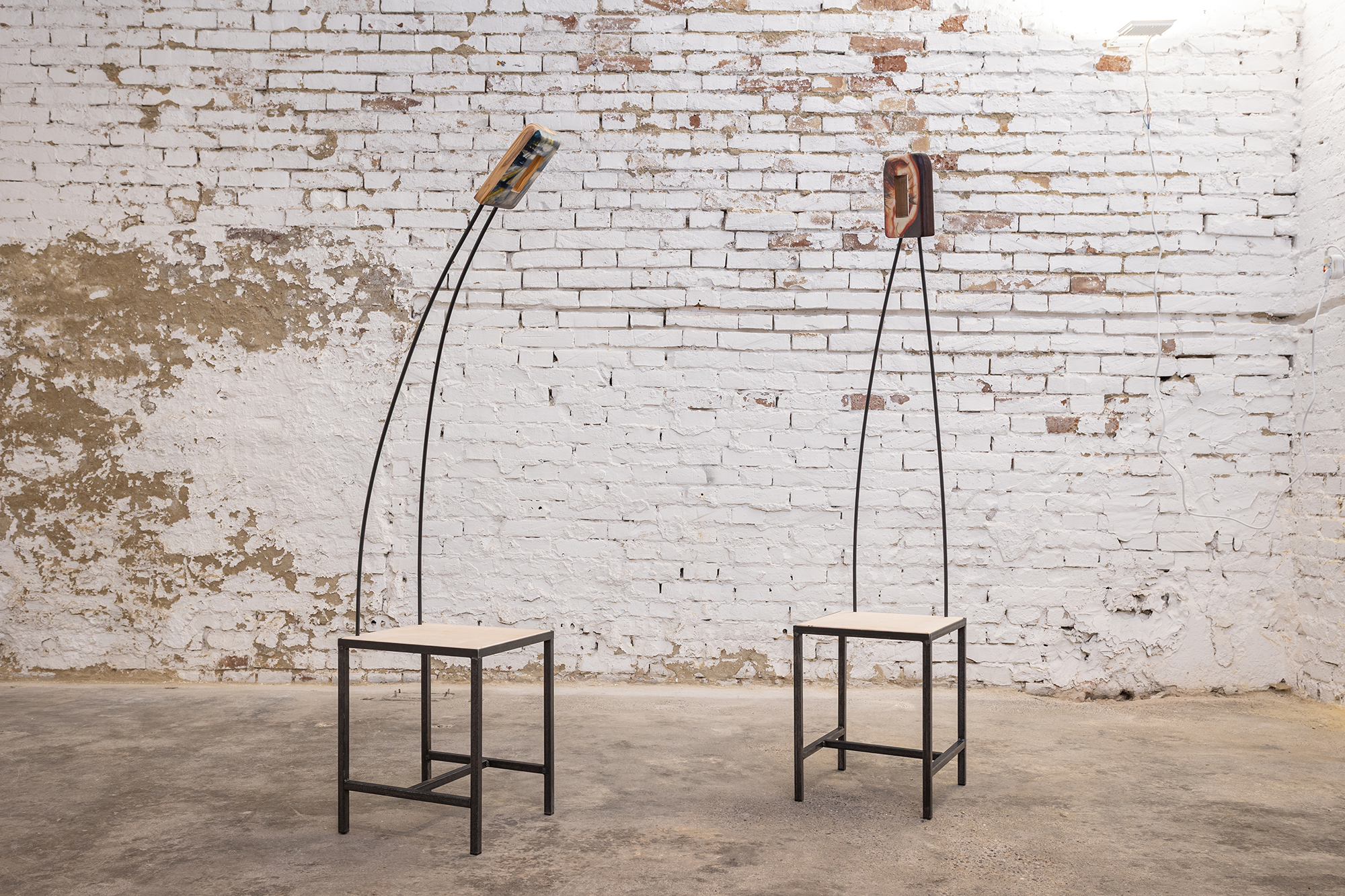
The process of self-discovery, the experience of our own bodies, and their constant transformation take center stage in both Emma Kling’s installations and paintings. The structure of the “snail-shaped changing room” – familiar from the beaches of Lake Balaton – recurs frequently in her work; in this exhibition, the audience will see a stripped-down, skeletal version of it. The changing room becomes a space for the body’s liminality and metamorphosis, which is simultaneously a safe, private place while situated in public space. This tension between outside and inside, the personal and the public, the protective and the claustrophobic, provides the fragile balance in Kling’s works. The shedding and peeling away of the body’s layers during certain stages of life, and the impact of the associated feelings and frustrations on our daily lives, lead her to explore the motif of the shadow in her practice, where only a kind of imprint of the figures remains visible and the absence of the body becomes significant. Consequently, Kling’s painterly style is characterized by fluidity, multiple perspectives, and a play with shadows, absence, and negative forms – so that what is not immediately visible, or what remains in shadow (whether from a psychological perspective, referring to our “shadow self” following Jung, or generally to the invisible work performed by women) is just as important as what is visible. Her objects meanwhile, step out of the plane of the wall and present all these questions in a form that is both playful and unsettling.
Curator: Flóra GADÓ
In her work, she explores the intricate network of relationships between the human and non-human worlds through patterns of visual representation. Her primary medium is painting, in which she combines various visual and conceptual sources. In her paintings, geological and biological imagery, digital signs, personal stories, subjective sensations, mythological motifs, and philosophical theories are layered upon one another.
In 2025, she was a fellow of the KAIR residency program in Košice. She has participated in numerous exhibitions in Hungary, and her works are included in the Leopold Bloom Collection.
Her work focuses on self-discovery, family dynamics, and human relationships. Her paintings depict timeless emotions such as guilt, jealousy, and social isolation. Her figures are often ageless, and their androgynous features reinforce the universality of these emotions. Their grimaces, postures, and tension with one another reflect the duality of human connection and vulnerability. Kálóczy’s figures always carry a certain dissonance; they seem unable to come to terms with one another, existing instead in symbiosis with their surroundings.
Her works have been featured in numerous exhibitions in Budapest.
Emma Kling’s works explore the processes of translation between painting, installation, and text. She interprets her practice as an open space where personal experiences and theoretical considerations intertwine. Her paintings are created on canvas and wood, and also appear in the form of sculptural elements, installations, texts, and publications. These media evolve in interaction with one another throughout the process of research and creation. In this practice, painting appears as a multiply referential medium that is constantly being redefined and through which questions of the body, visibility, and space are reinterpreted.
In 2024, her graduation exhibition won the Vanessa Preger–McGillivray Prize, established by the Angewandte and the City of Vienna, and in 2025, she was nominated for the Esterházy Art Award. Her works have been featured in international exhibitions in Vienna, London, and Budapest, among other cities.
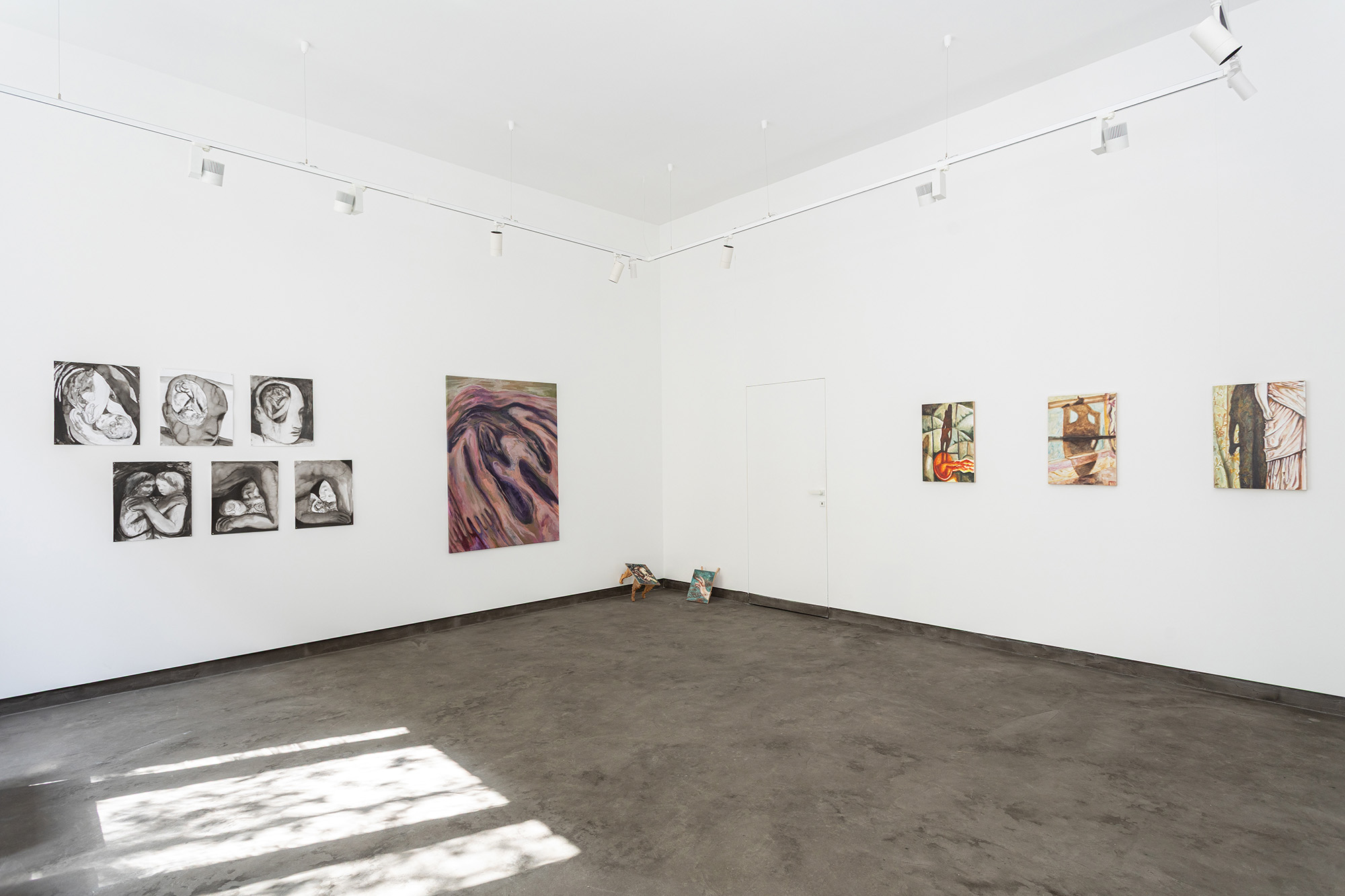
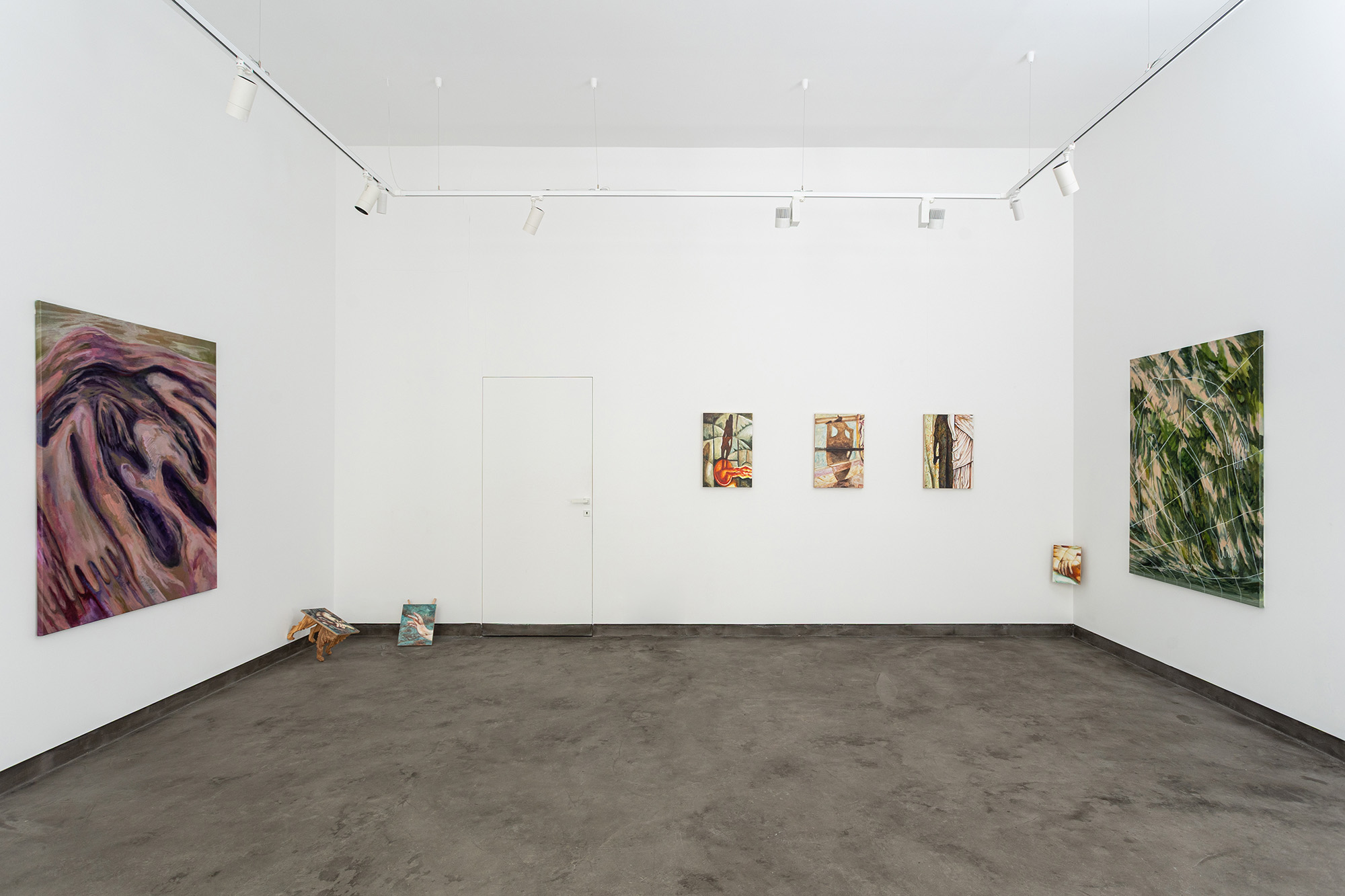
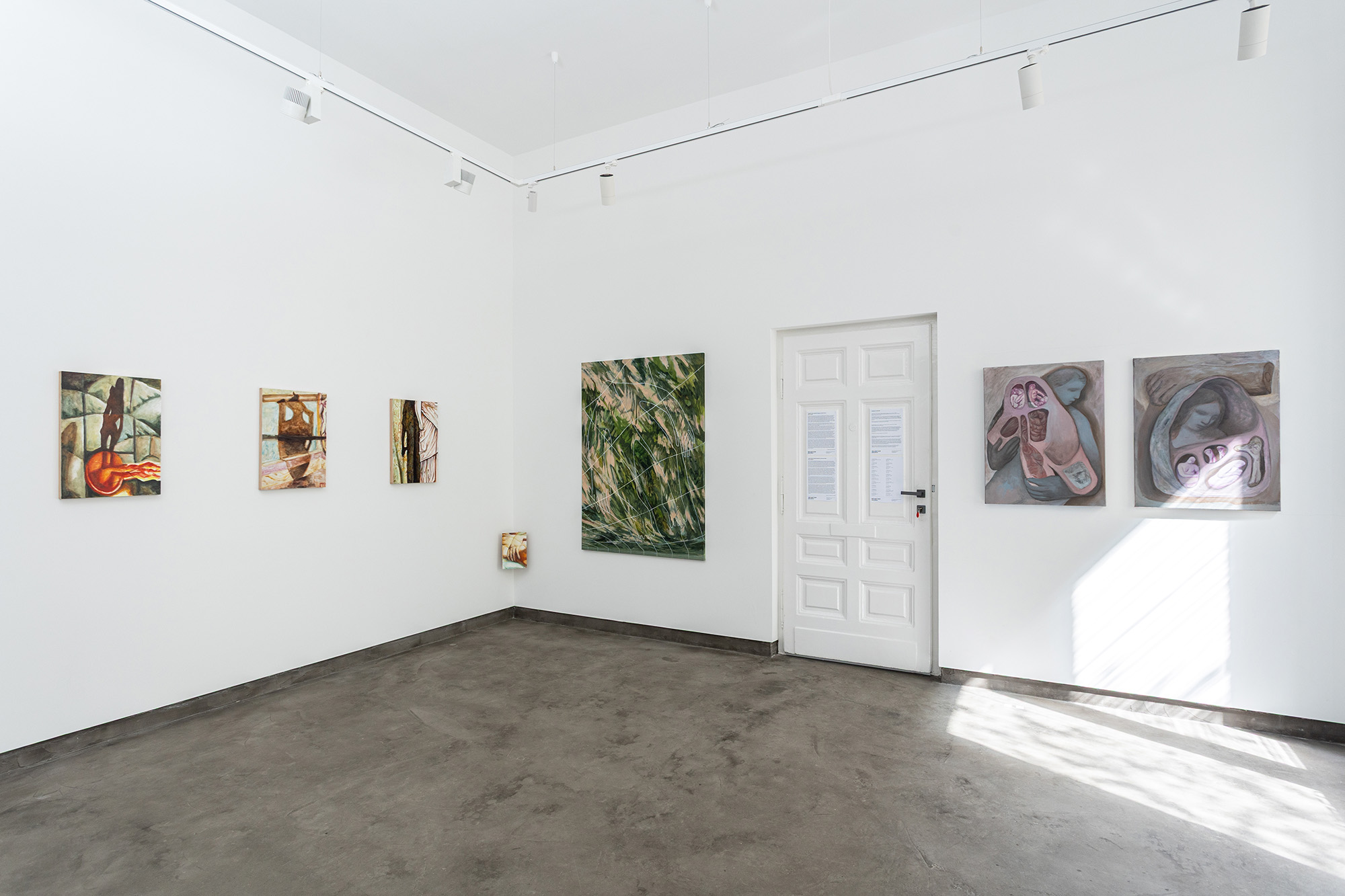
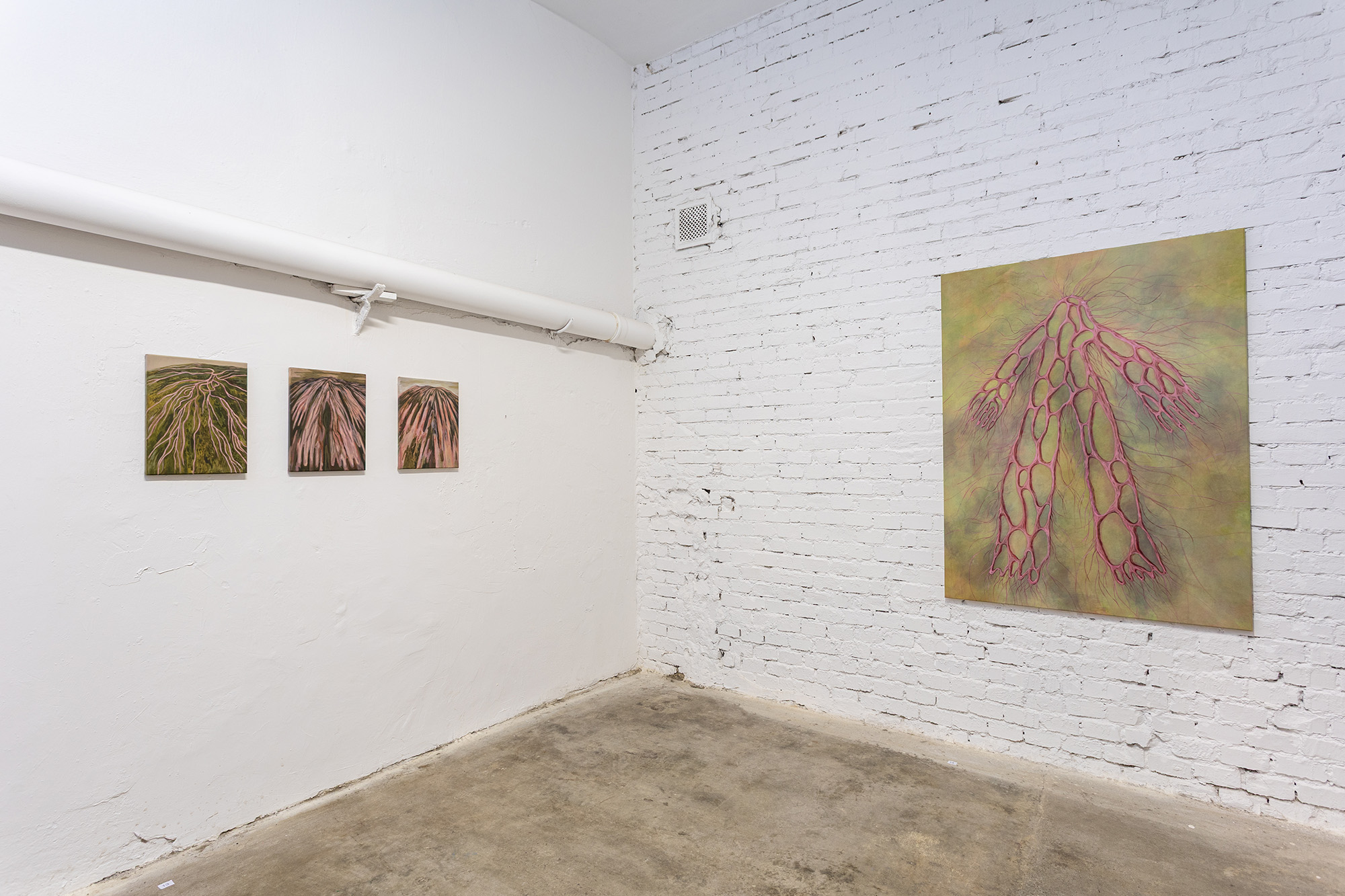
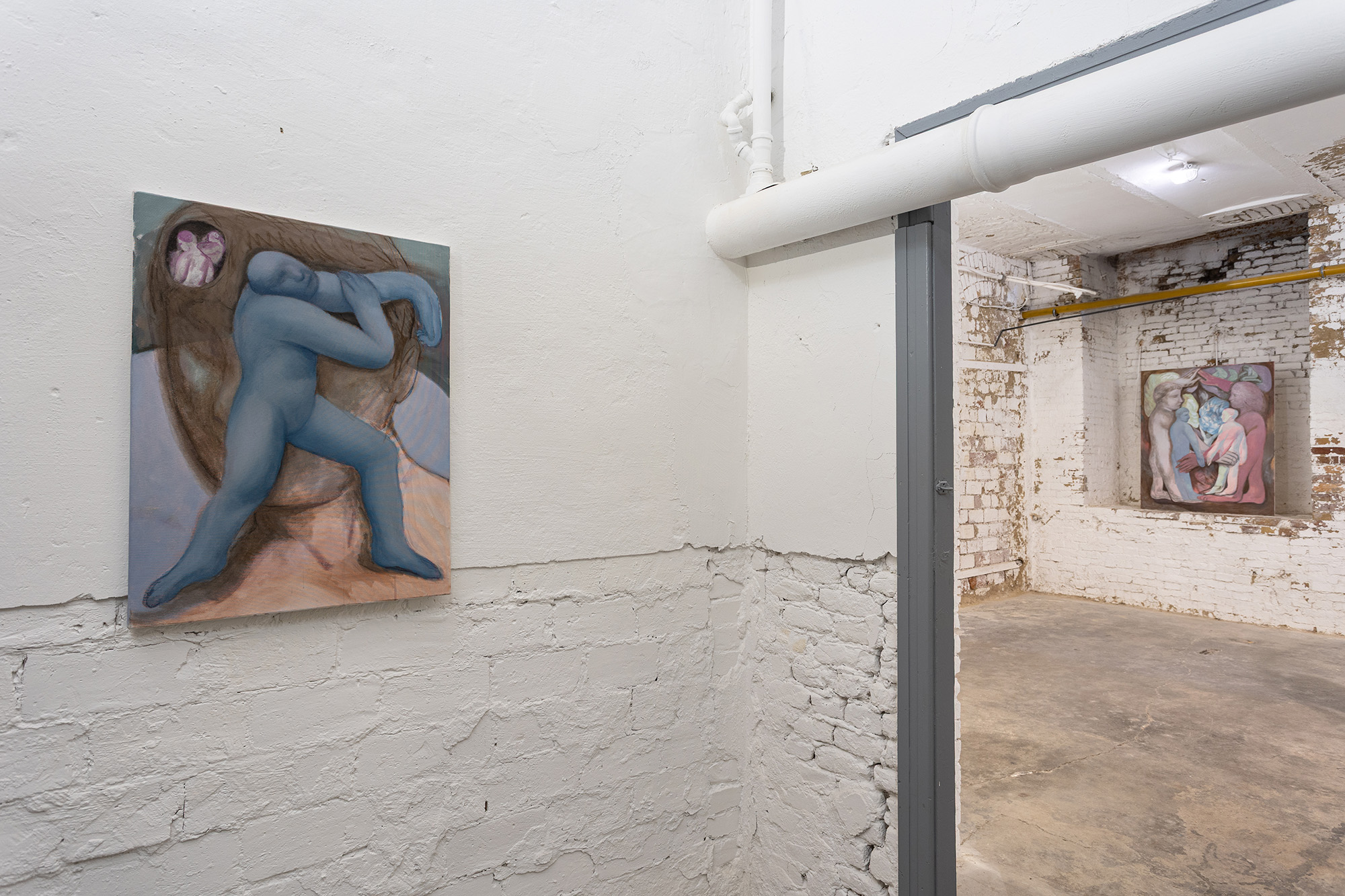
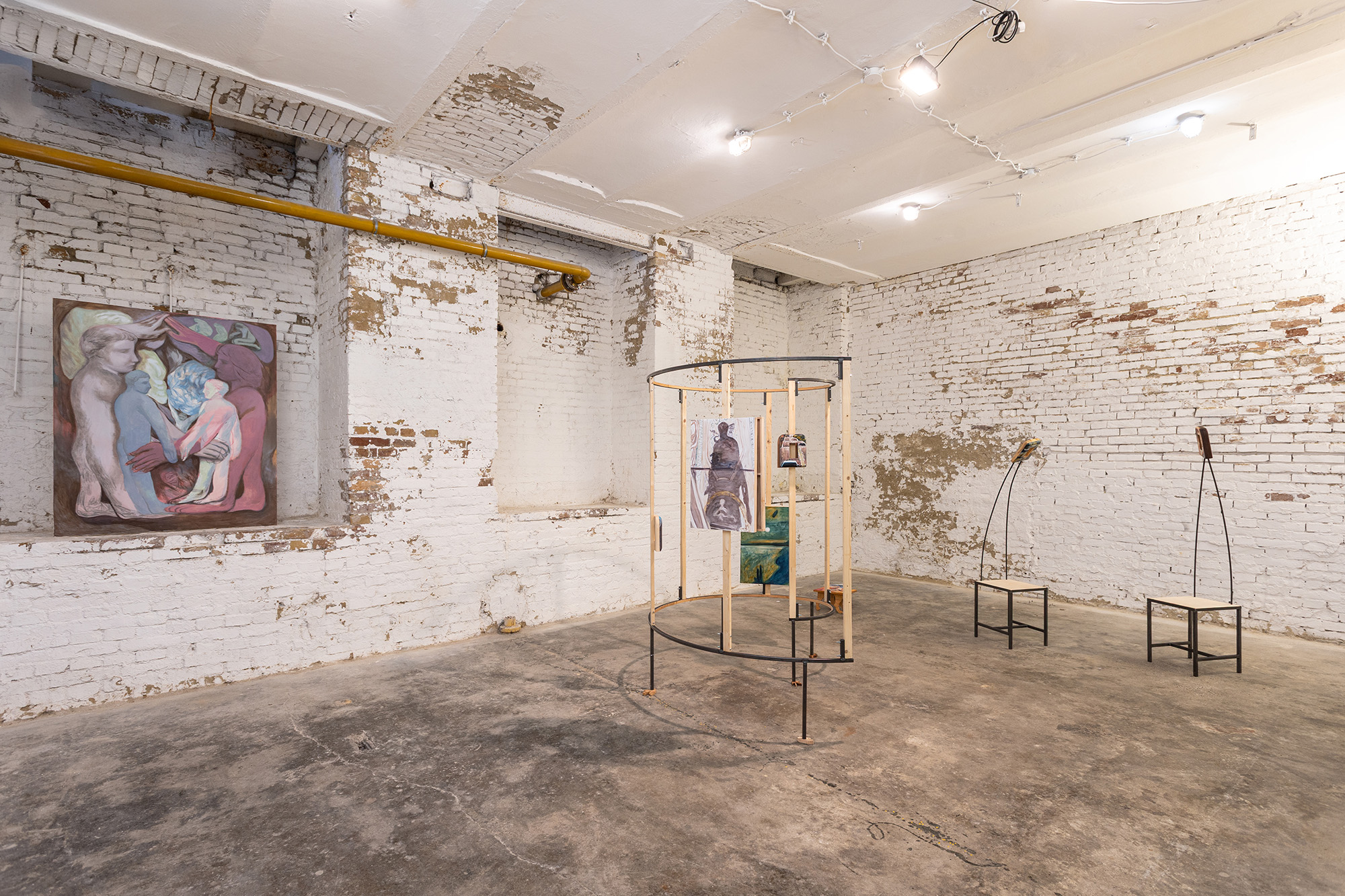
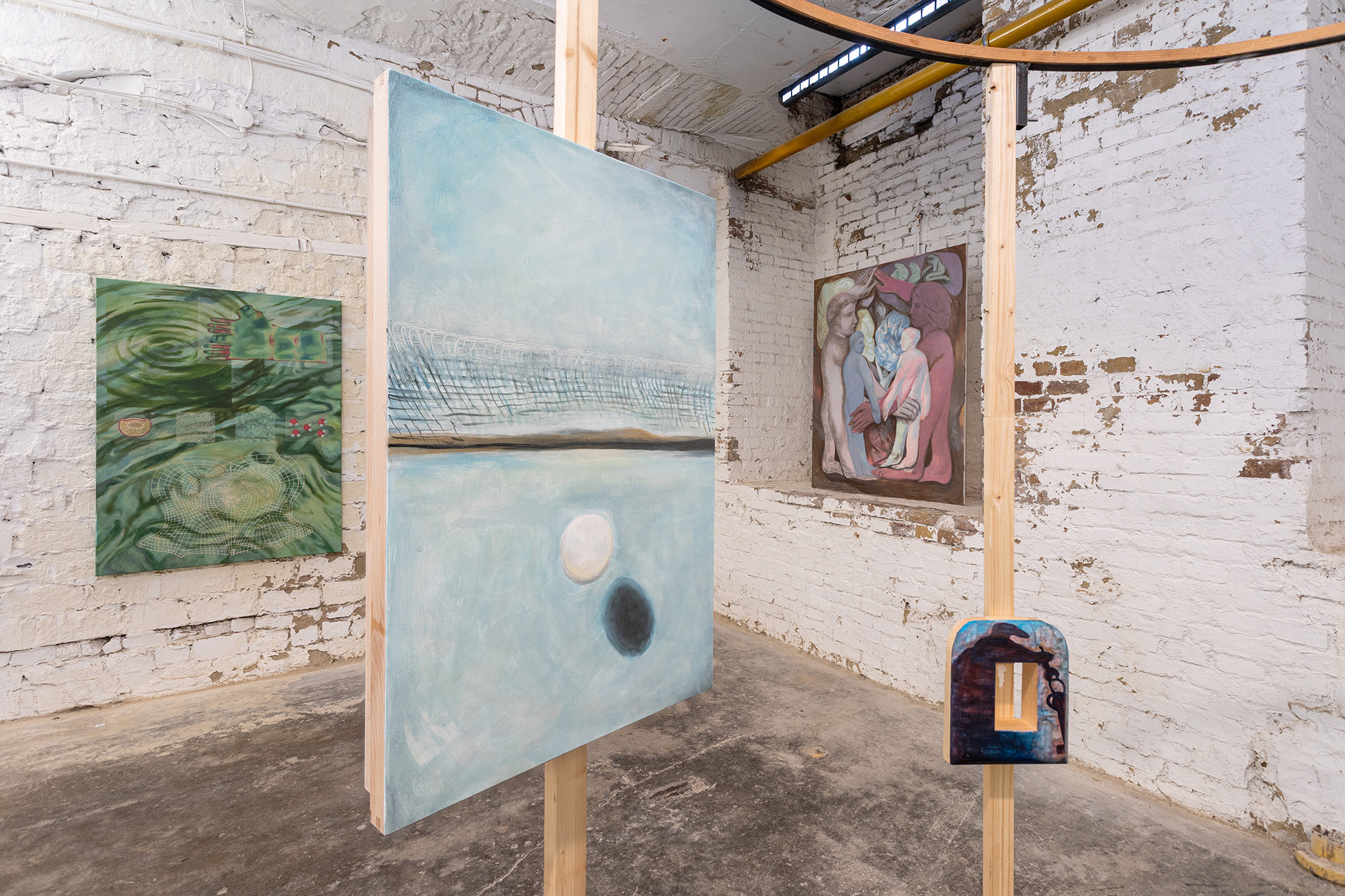
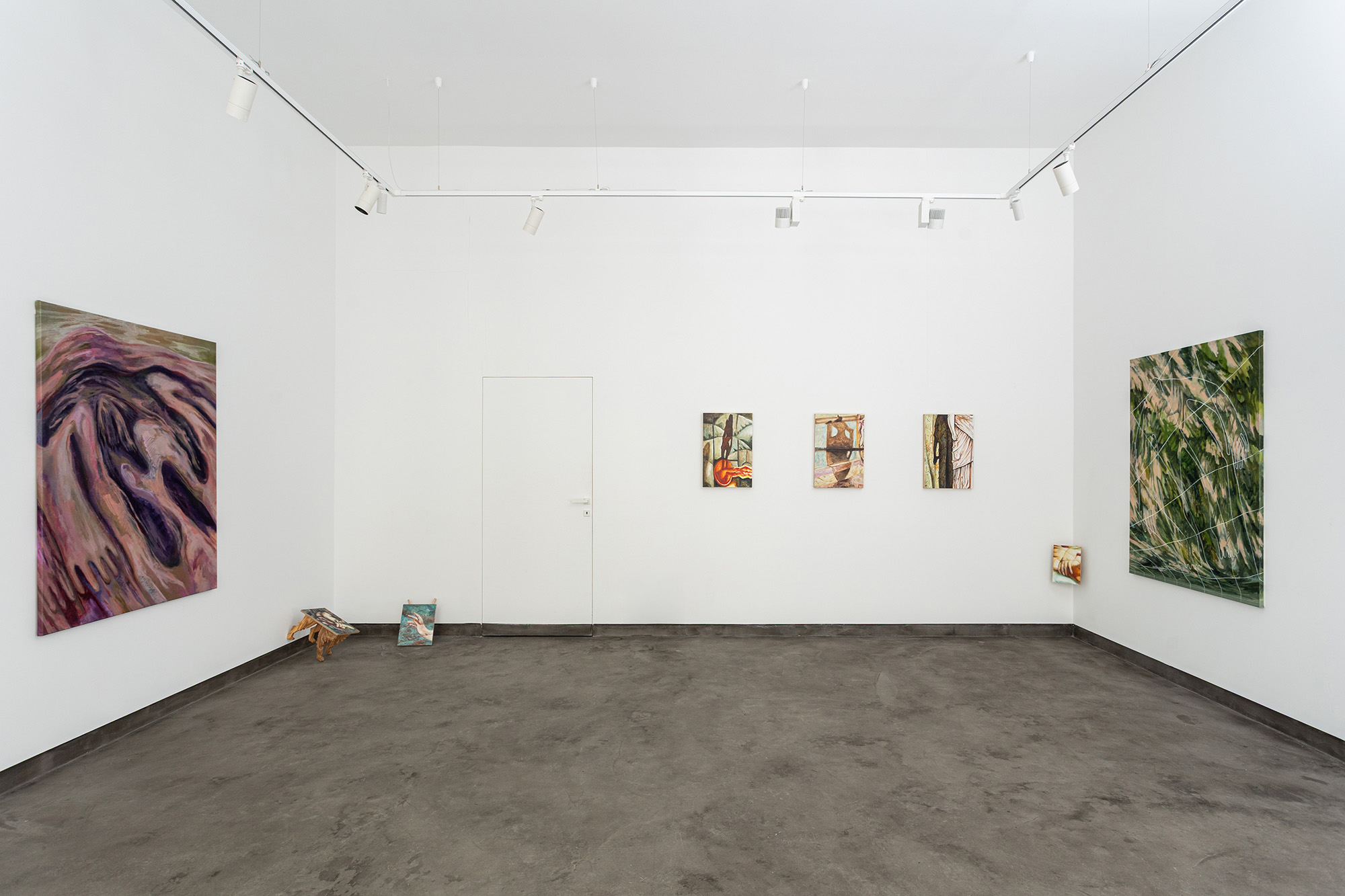
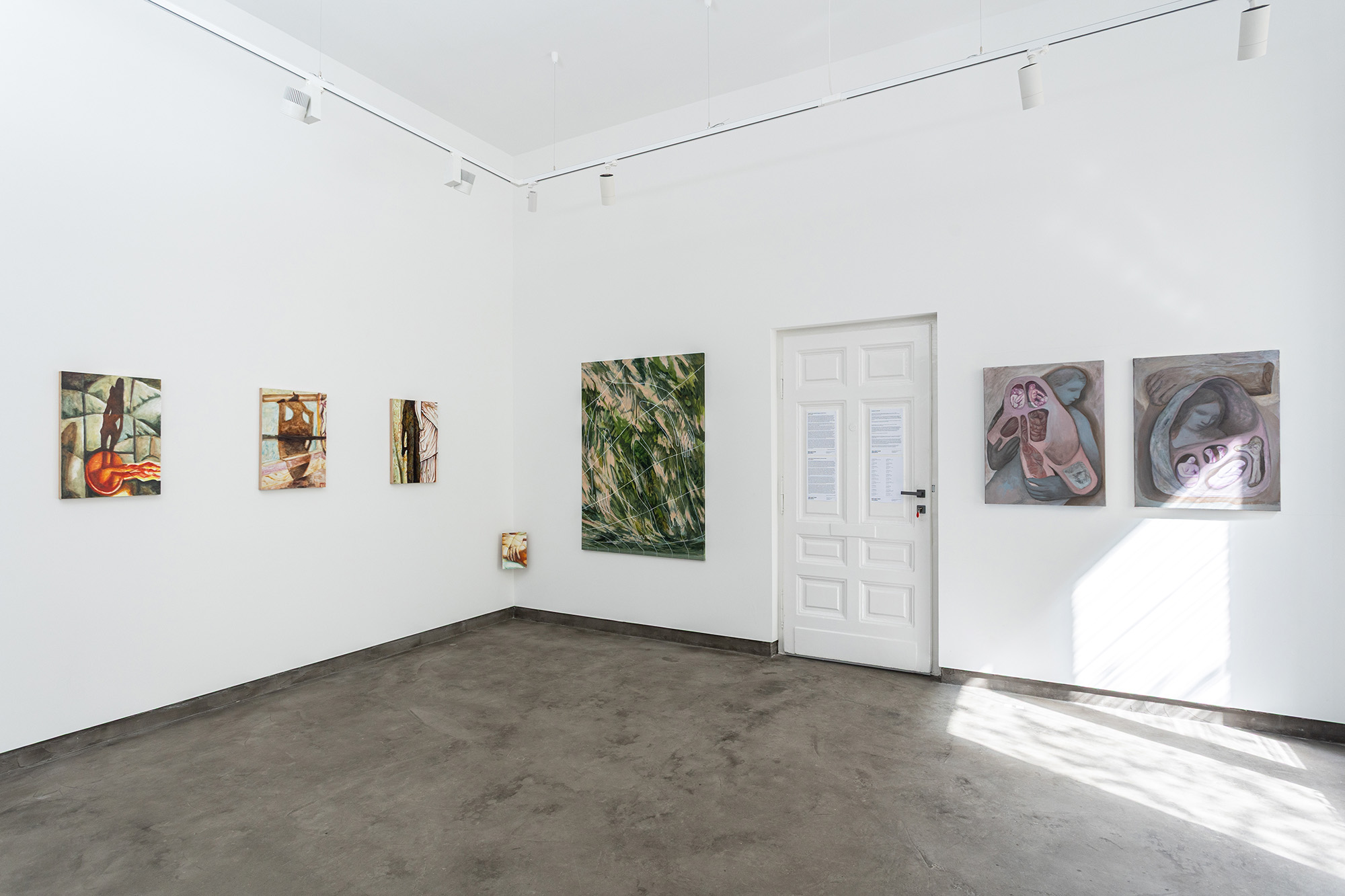
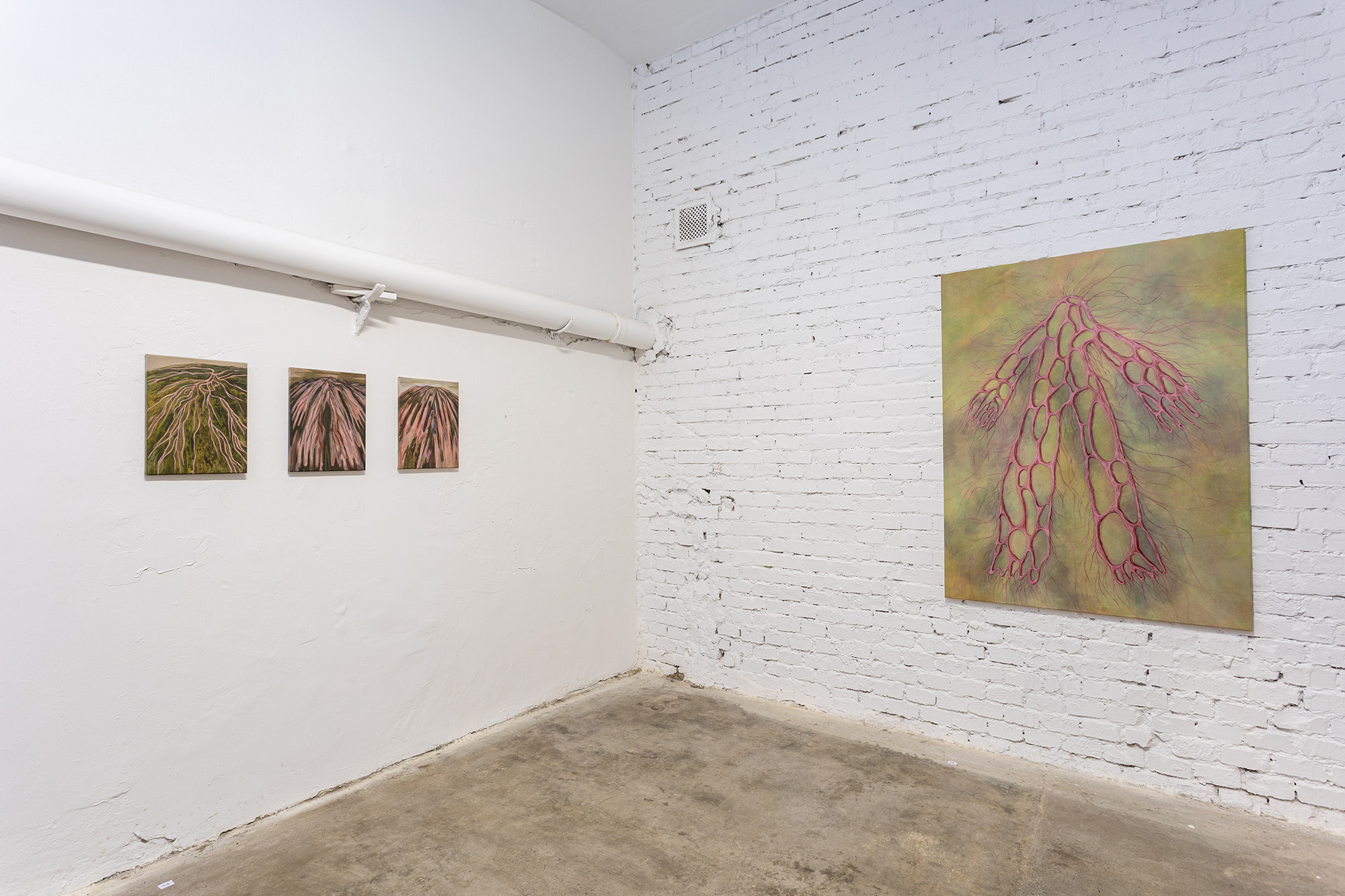
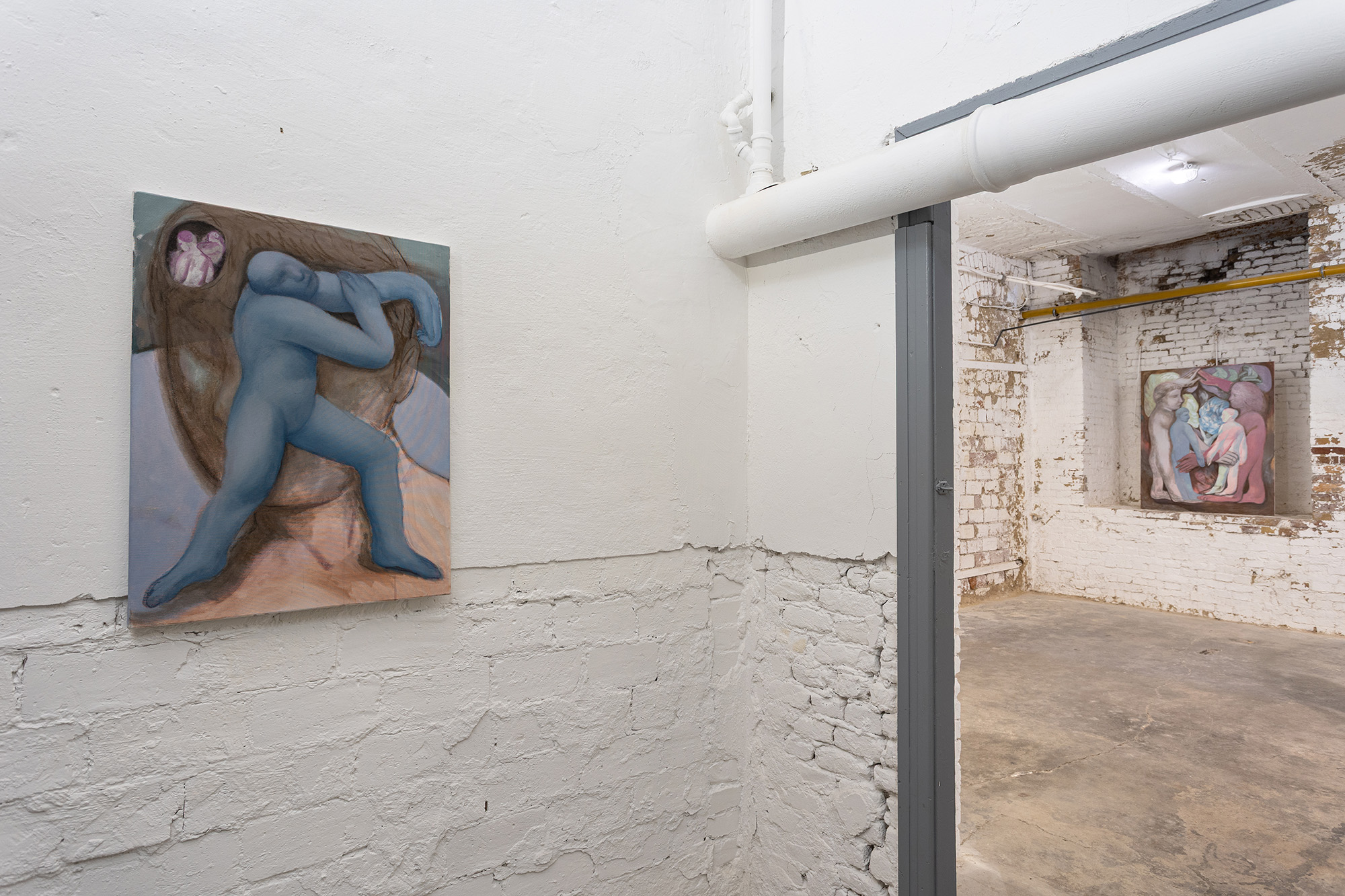
Featured works
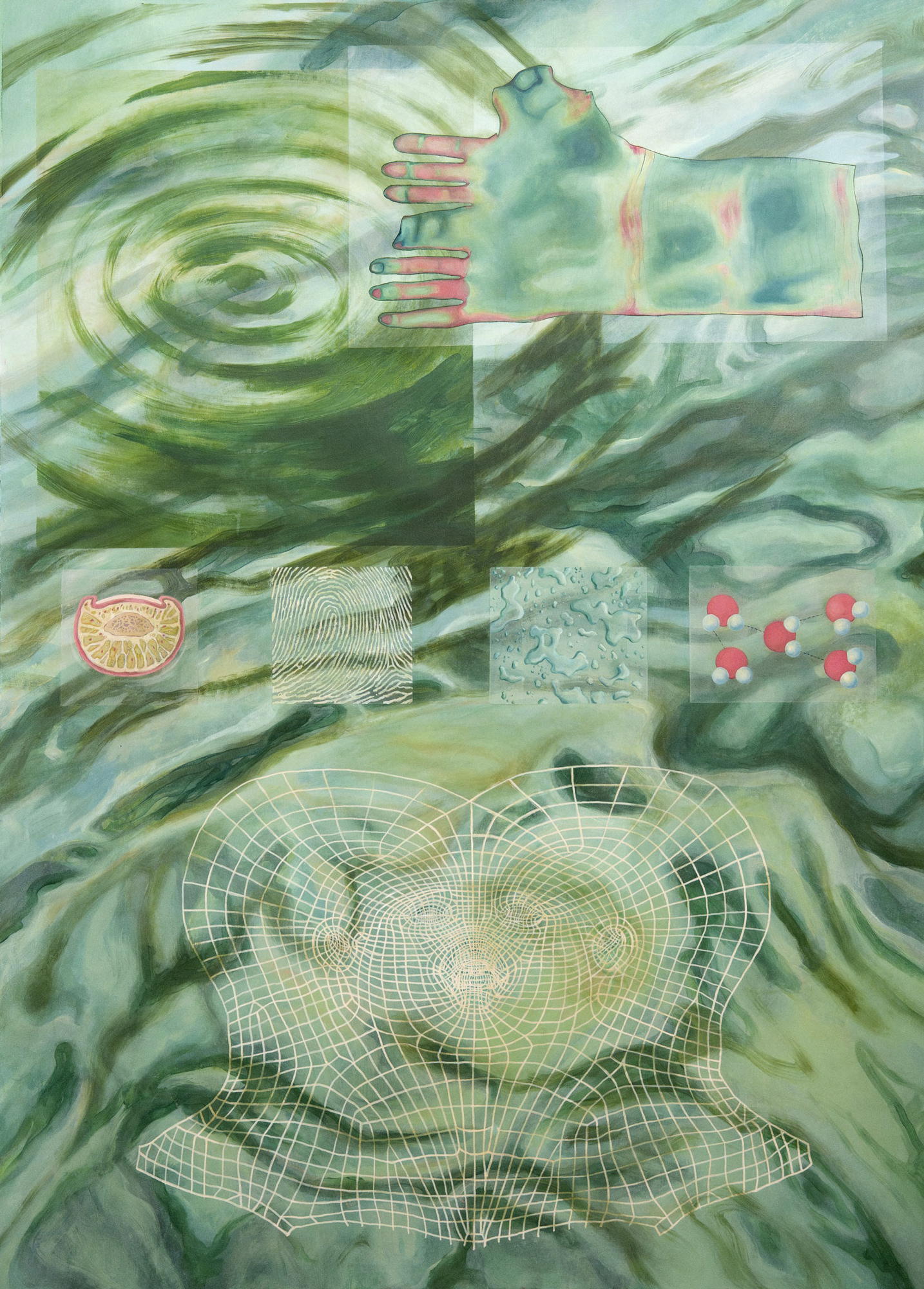
Júlia CSAPÓ
Encounter IV., 2025
acrylic on canvas, 150×110 cm
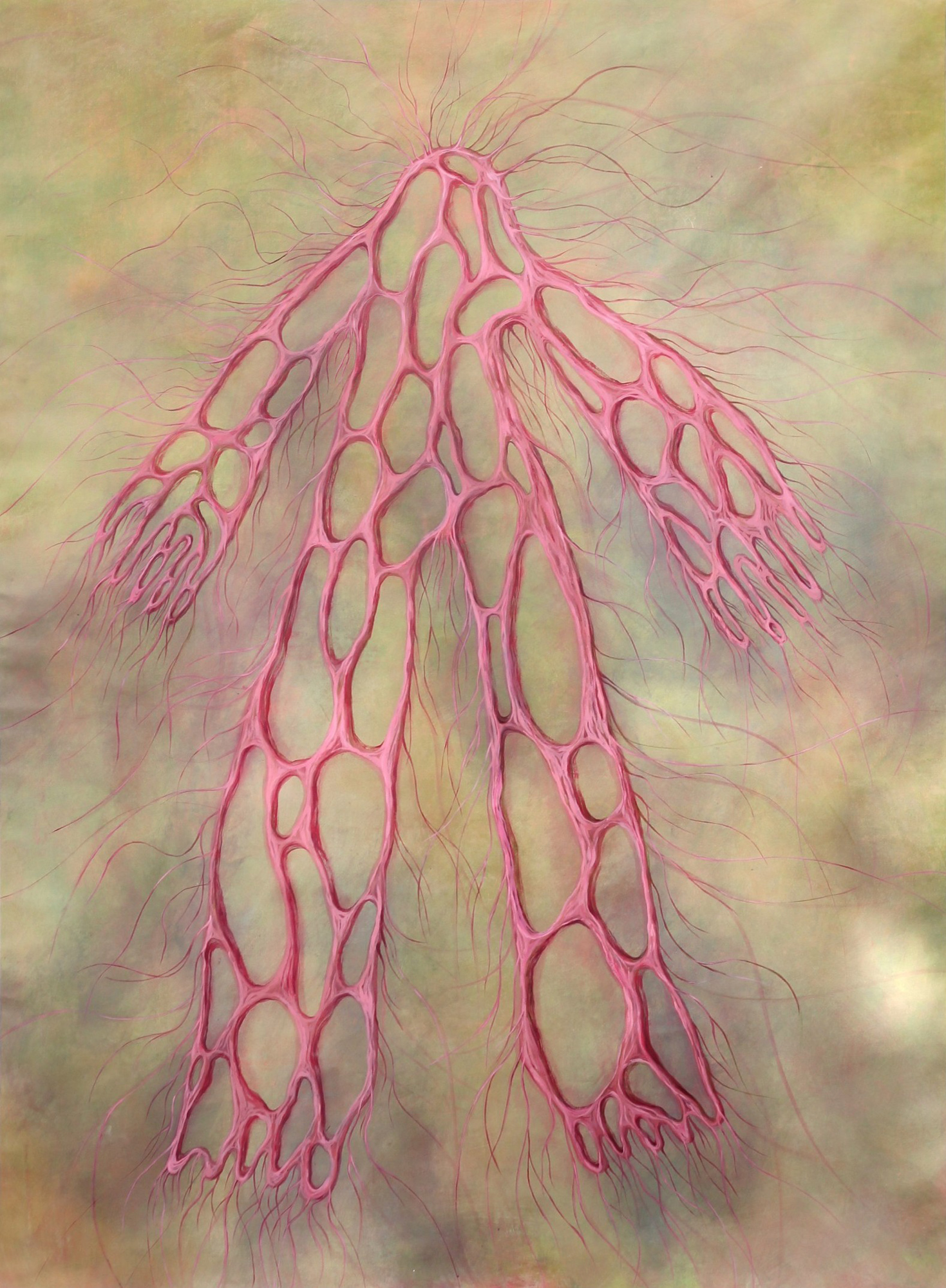
Júlia CSAPÓ
Membrane Body II., 2025
acrylic on canvas, 150×110 cm
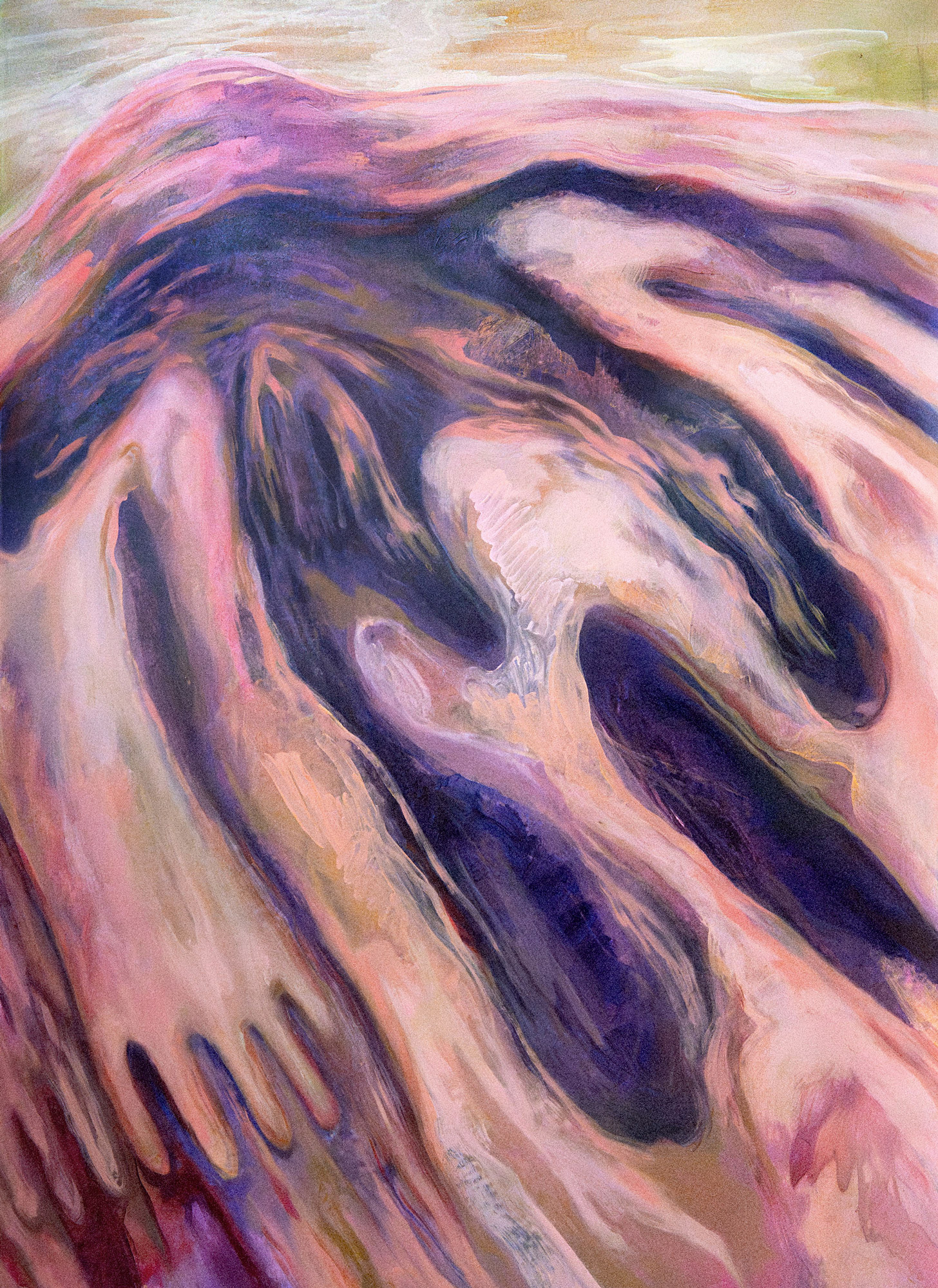
Júlia CSAPÓ
Encounter VIII., 2025
acrylic on canvas, 110×150 cm
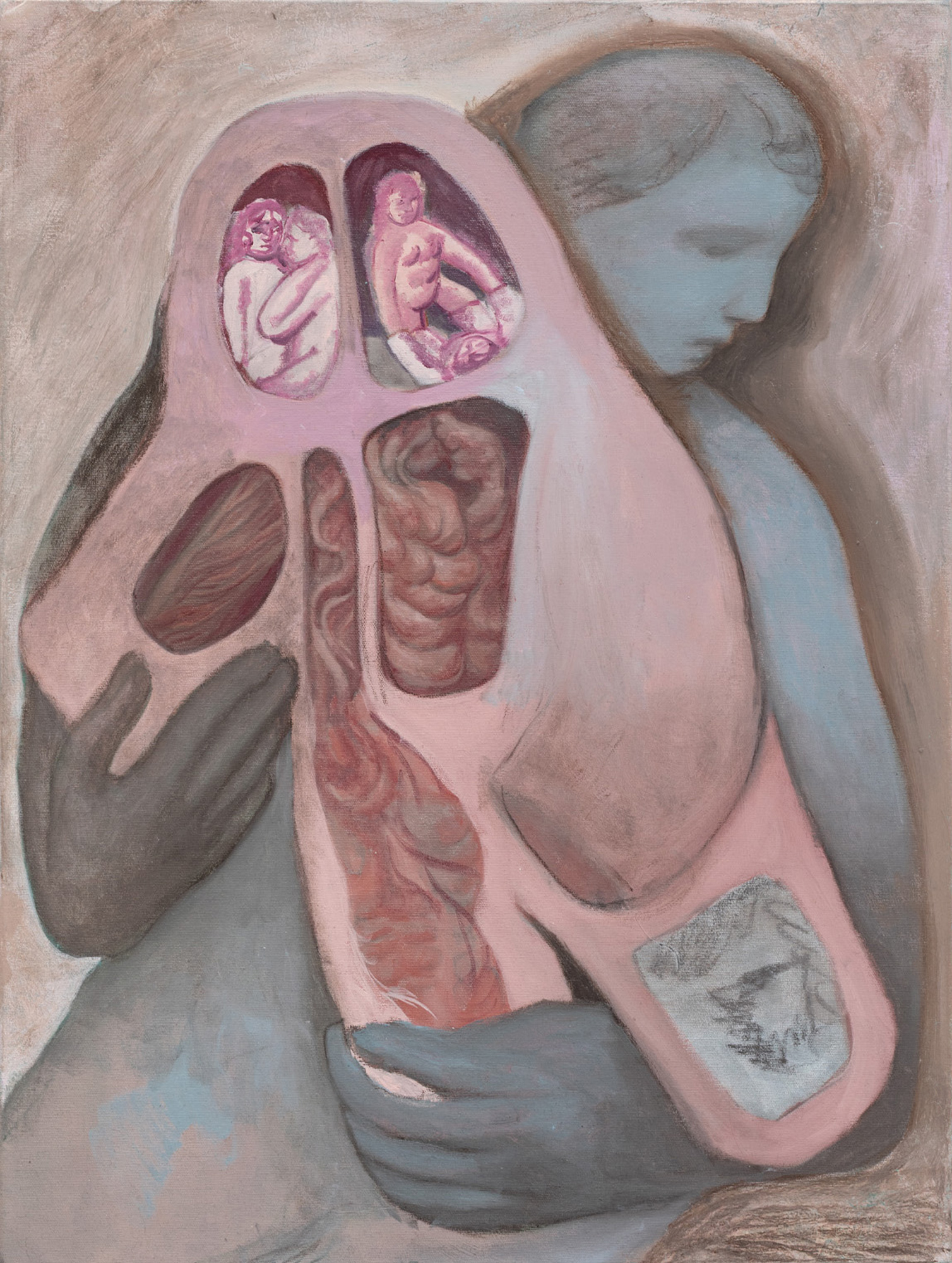
Eszter KÁLÓCZY
Fortress of Buried Thoughts, 2025
oil on canvas, 70x50 cm
Eszter KÁLÓCZY
Prayer in Stone, 2025
oil on canvas, 70×50 cm
Eszter KÁLÓCZY
Healing Left Hand, 2025
oil on canvas, 70x50 cm
Eszter KÁLÓCZY
Preserved Visions III., 2026
ink on paper, 50×40 cm
Eszter KÁLÓCZY
Preserved Visions IV., 2026
ink on paper, 50×40 cm
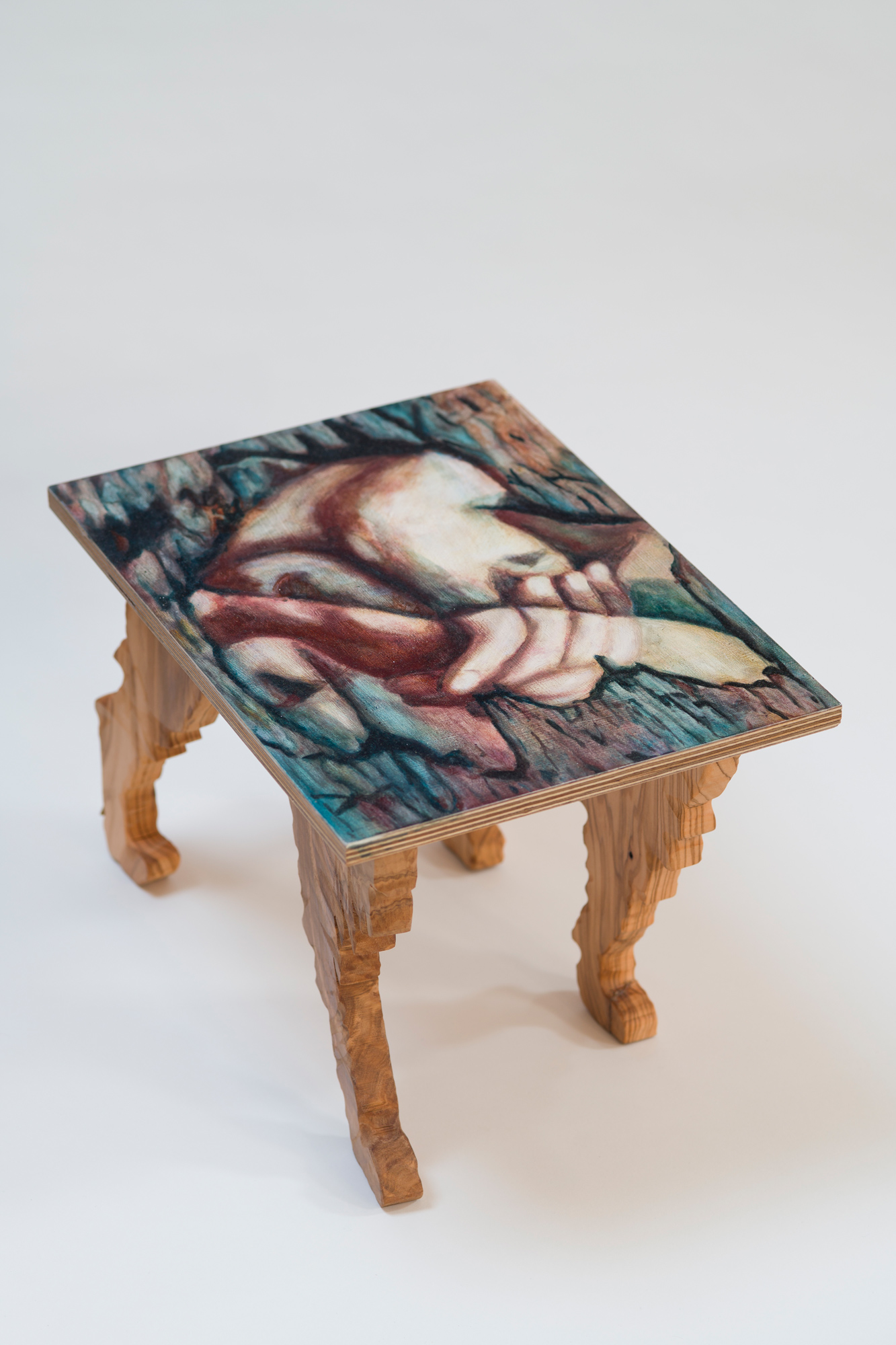
Emma KLING
Phantom Limbs 13, 2025
oil on plywood, olive tree, 35x23x25cm
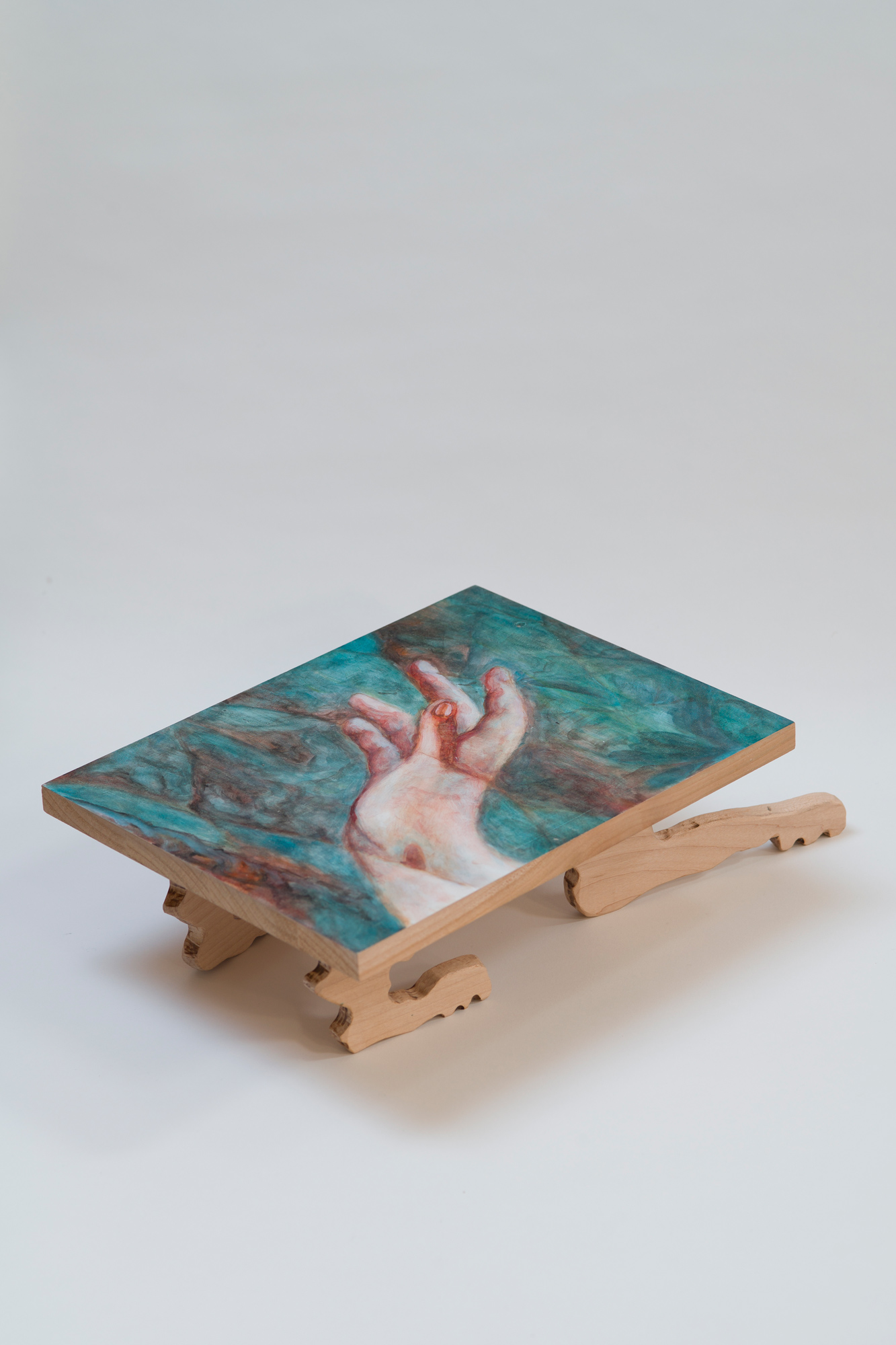
Emma KLING
Phantom Limbs 10, 2024
oil on cherry wood, maple wood, 35x23x11cm
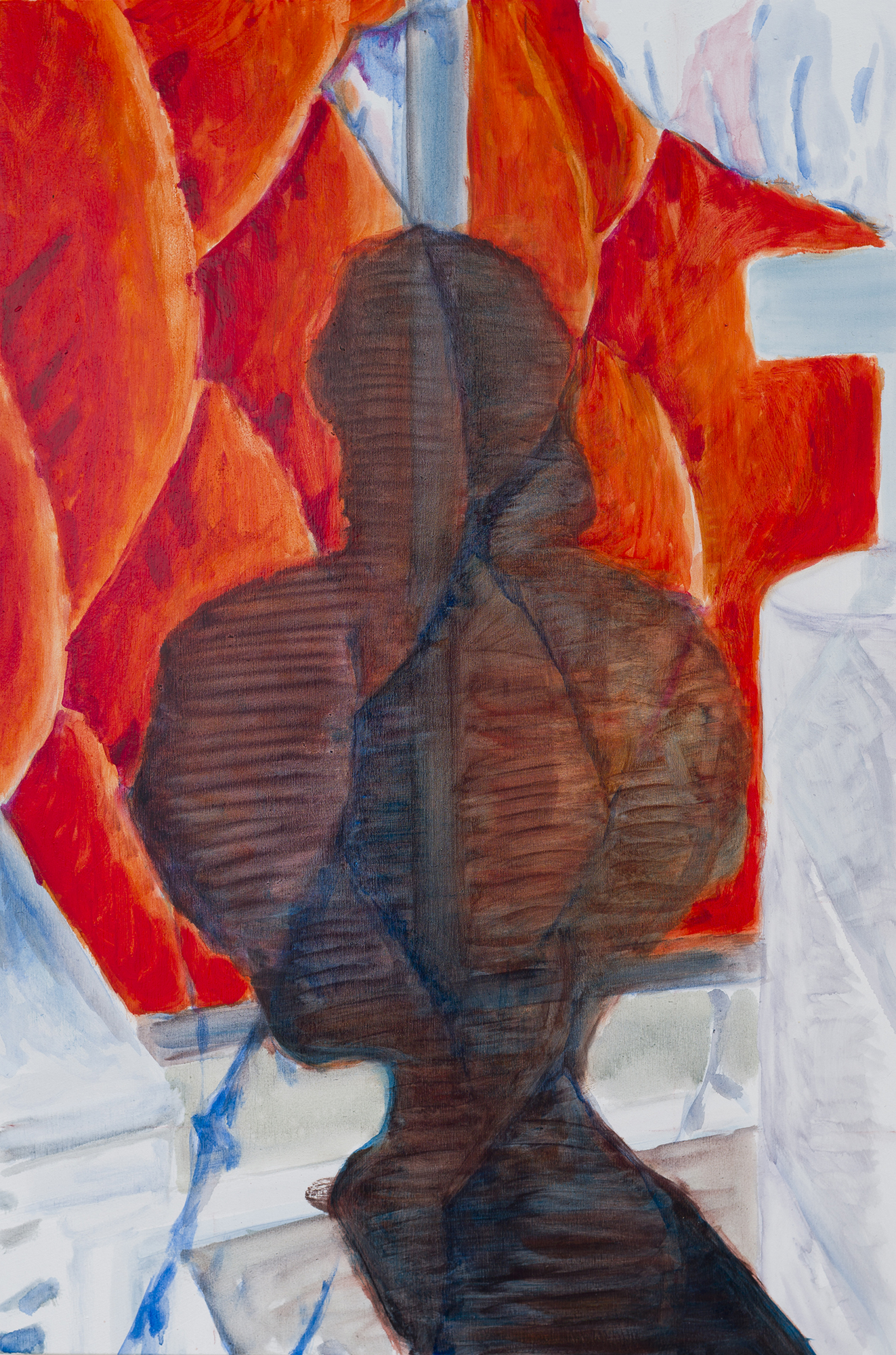
Emma KLING
You Can‘t Ghost a Ghost 8., 2026
oil on wood, 60×40 cm
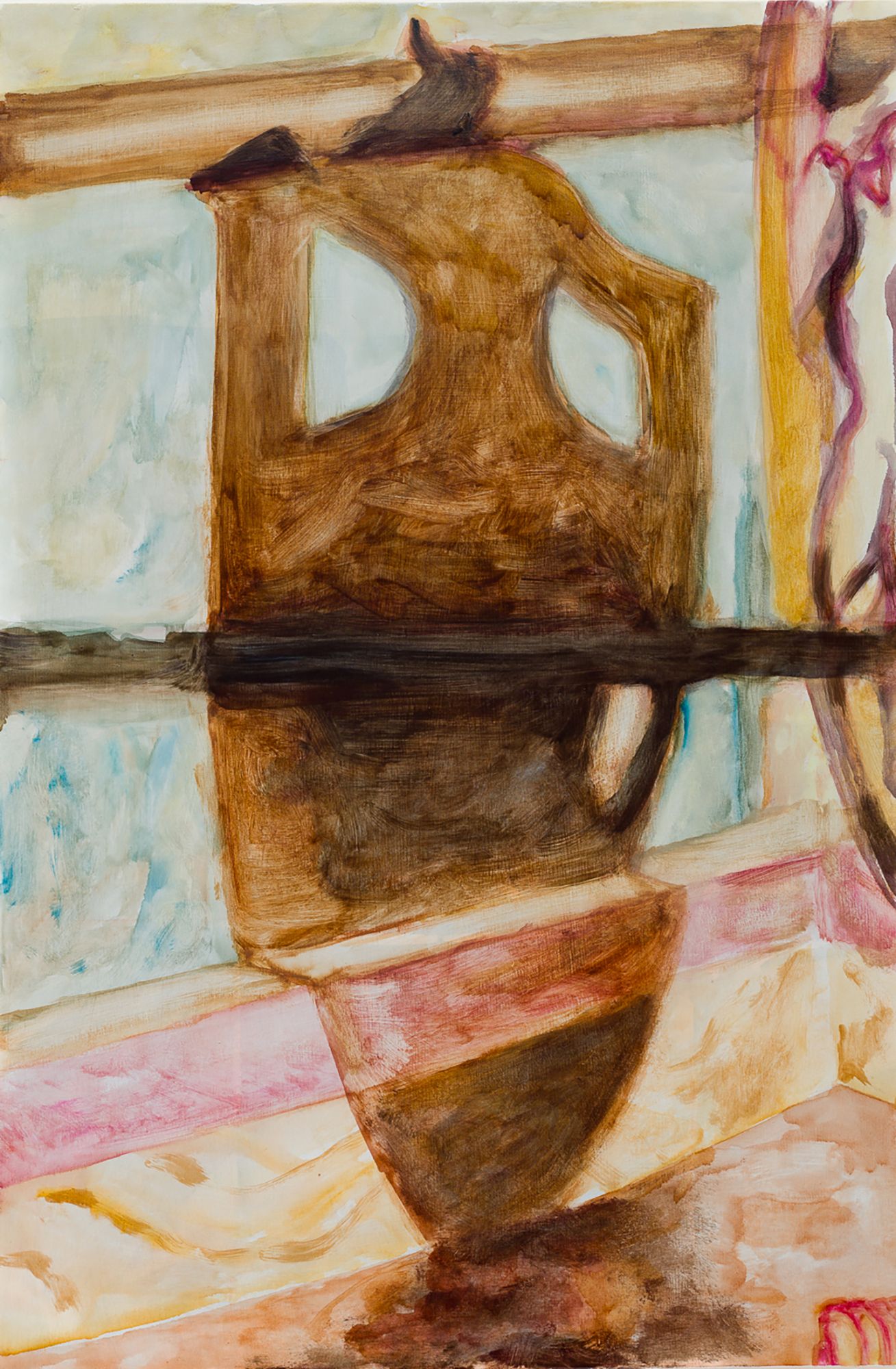
Emma KLING
Threshold Object, 2026
oil on wood, 60×40 cm
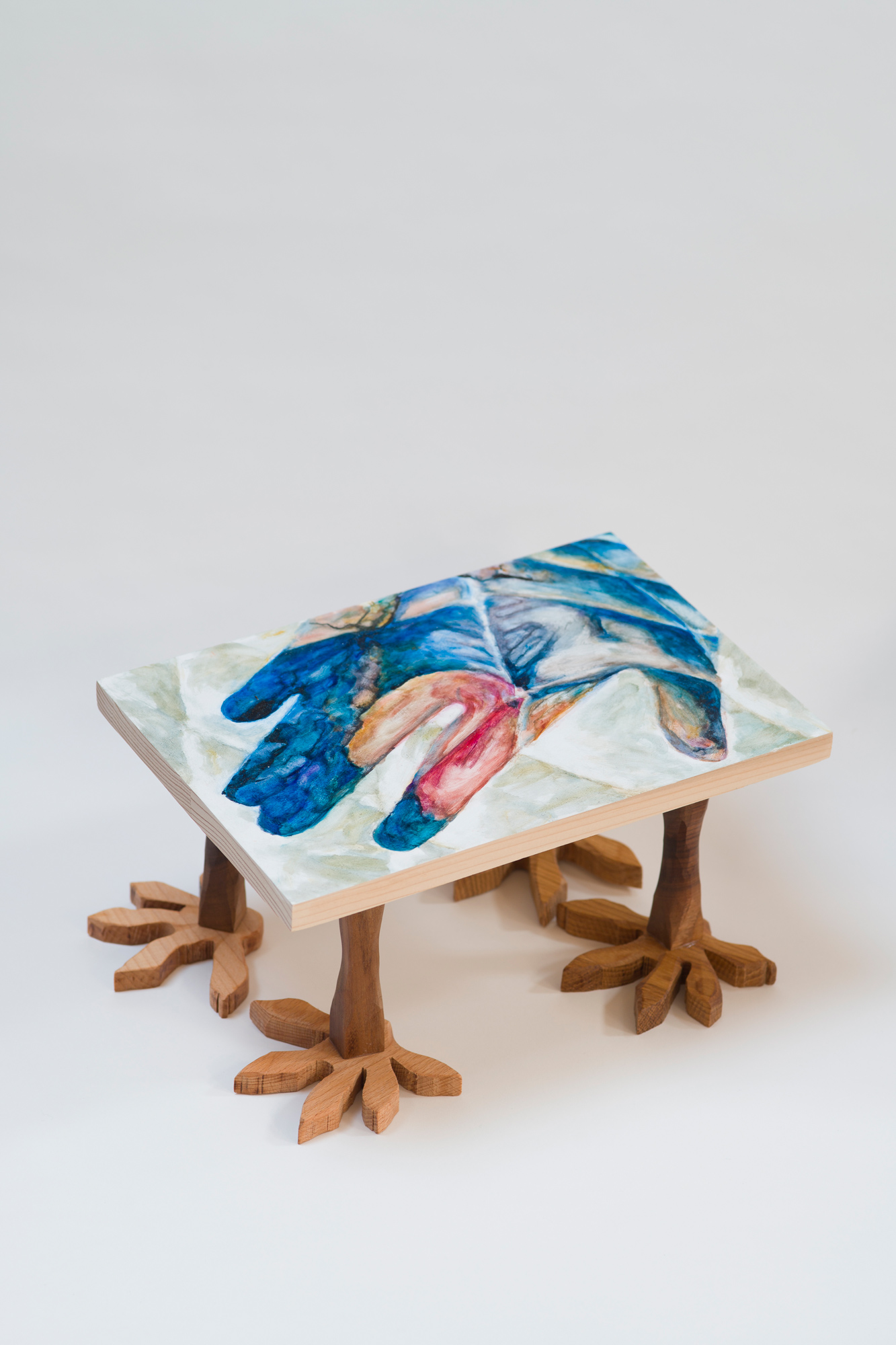
Emma KLING
Phantom Limbs 11, 2025
oil on pine, walnut, and maple, 30x21x15 cm