Exhibitions
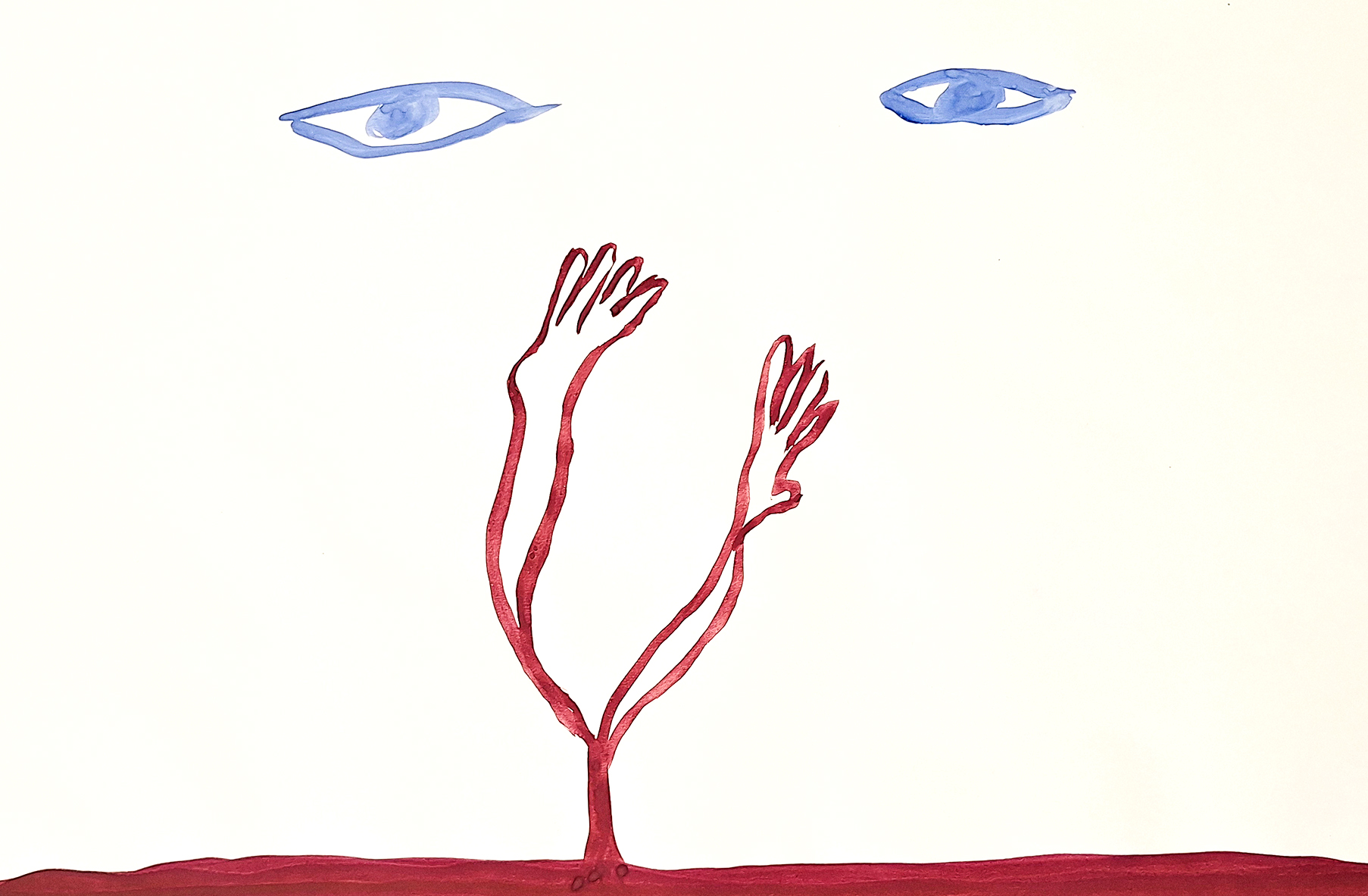
Jakub JANOVSKÝ: Ground
Luca PATAKI: Can't see the forest for the trees
16 September - 4 November 2026
This autumn, Rechnitzer Gallery presents two separate exhibitions by Jakub Janovský and Luca Pataki, exploring memory, identity, transformation, and belonging through painting and installation. In "Ground", Janovský’s haunting paintings of abandoned chairs reflect on personal and collective memory from a distinctly post-socialist perspective. In "Can’t See the Forest for the Trees", Pataki creates a site-specific installation exploring roots, home, transformation, and the tension between inner and outer worlds.
Previous exhibitions
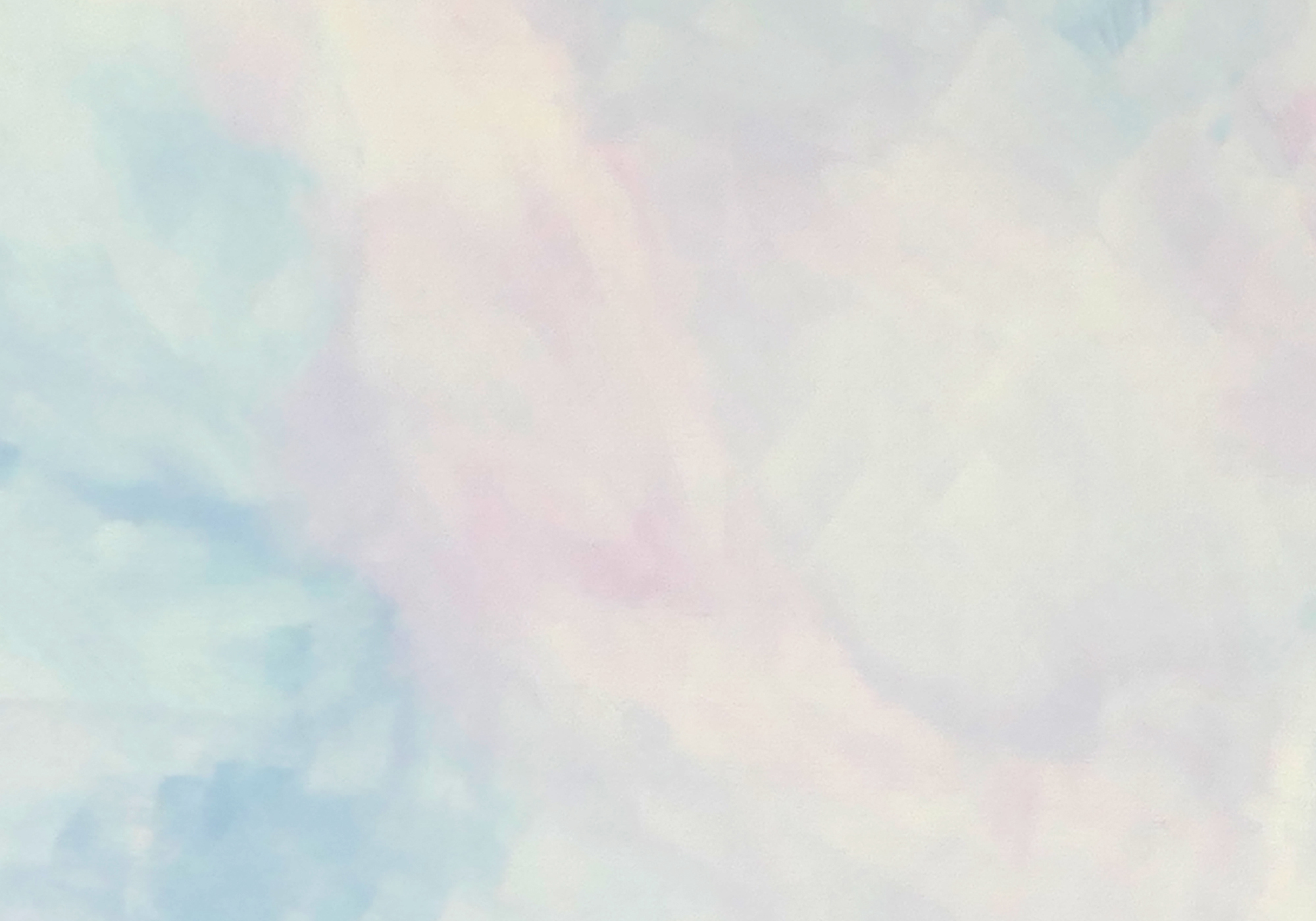
Whispering Ruins
26 May - June 26 2026
Exhibitiing artists: Ádám DALLOS, Gideon HORVÁT, Vanda HUMINILOWICZ, Zsófia JAUERNIK, Rebeka RÁCZ, Anna TÁNCOS
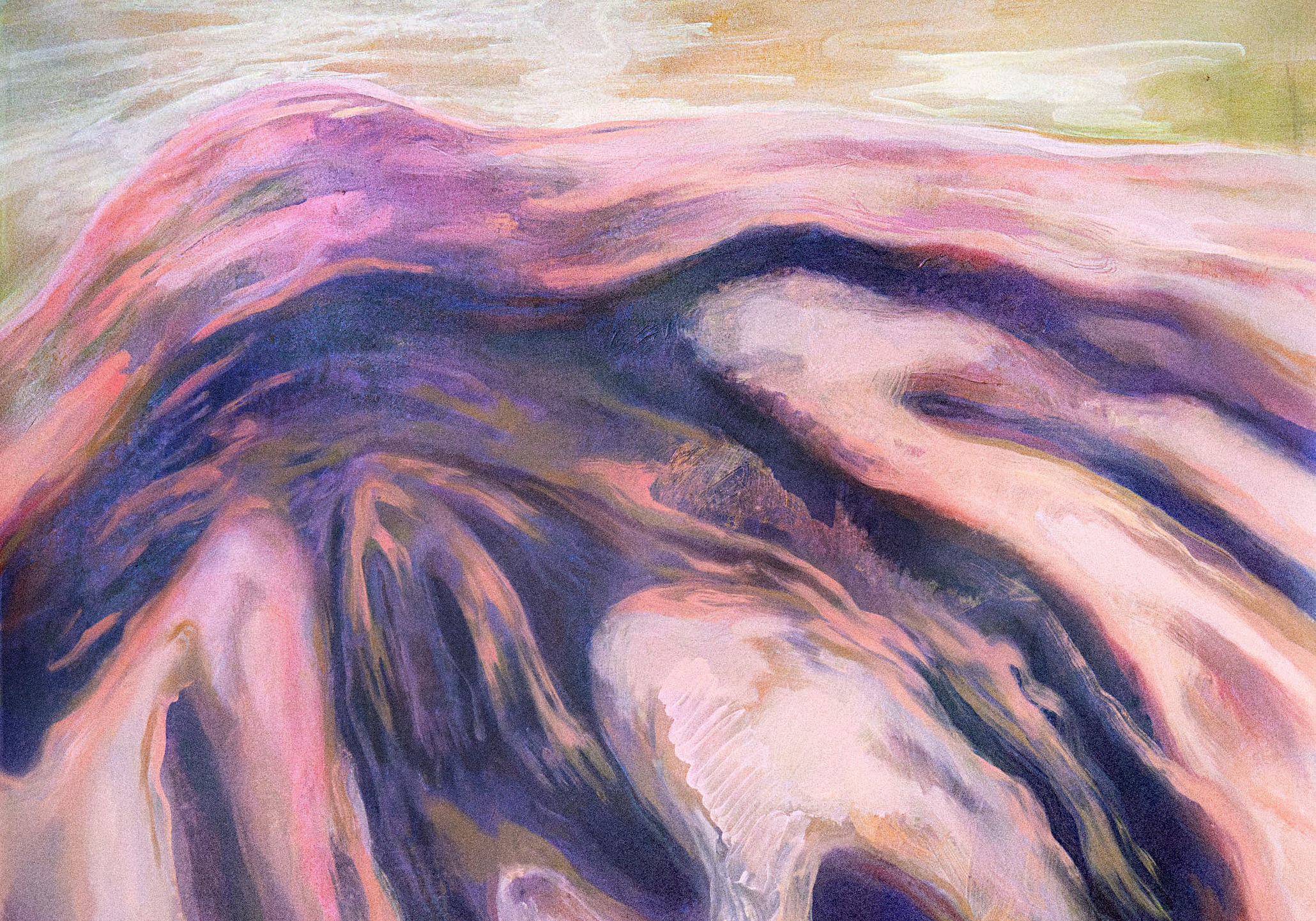
Júlia CSAPÓ, Eszter KÁLÓCZY, Emma KLING
Inner Spaces
26 February – 14 May 2026
Rechnitzer Gallery's next exhibition brings together the works of three young artists in dialogue with each other – alongside Eszter KÁLÓCZY, who has already exhibited at the gallery, the works of Júlia CSAPÓ and Emma KLING will be on display for the first time.
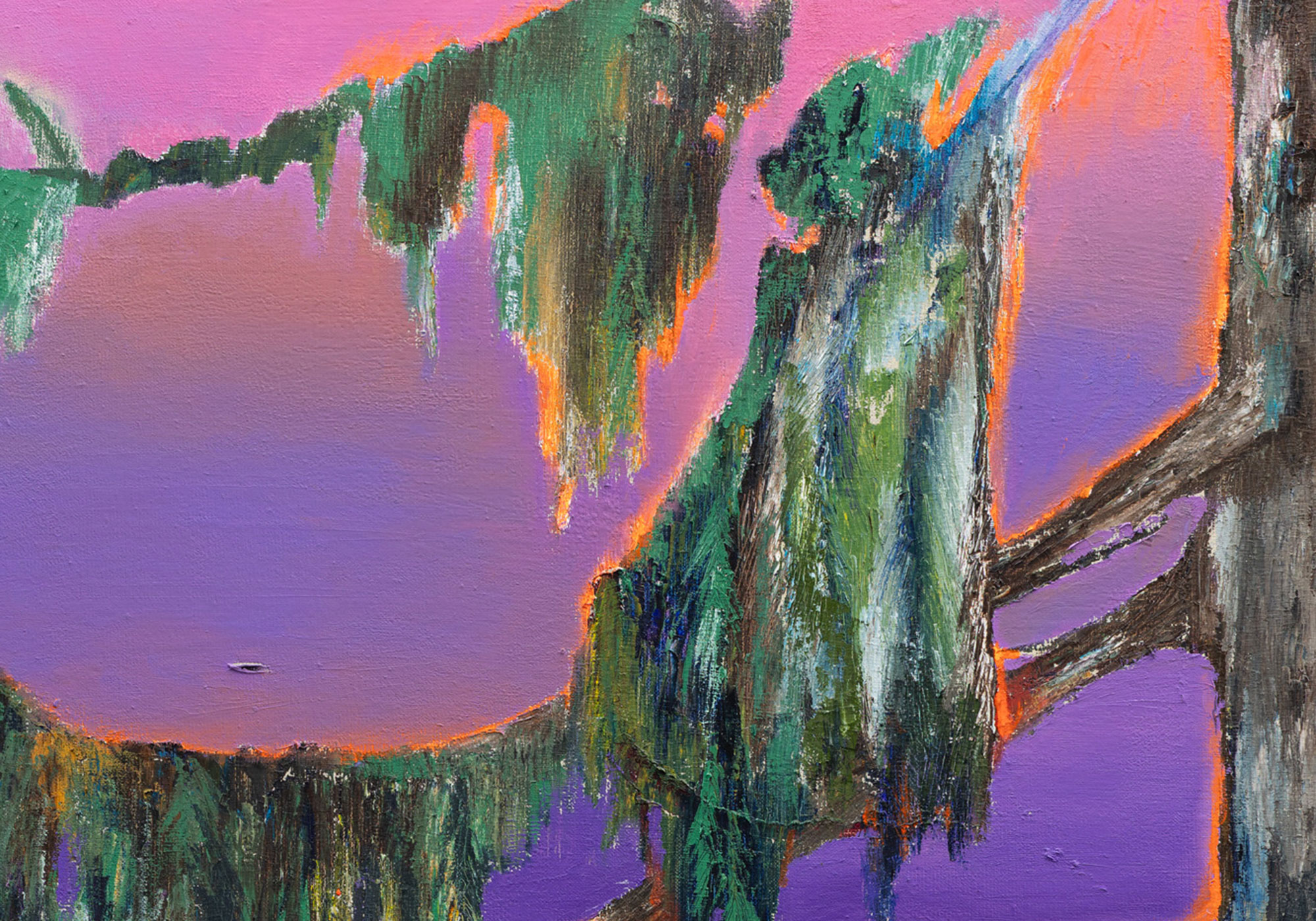
Vanda HUMINILOWICZ
Prayers that Saved my Life
5 February – 20 March 2026
For Vanda Huminilowicz, the act of entering the image – treating the image as an event and encountering it – is of primary importance.The artist’s first visual experience was seeing a black Madonna icon in Częstochowa, Poland, which she felt spoke to her, addressed her, and invited her to connect with it.

Ádám ULBERT
What Drives the Torn (while the sprouting changes its sound)
12 November 2025 – 15 January 2026
Ádám Ulbert's first solo exhibition at Rechnitzer Gallery is based on the concept of sharpness. His starting point is the "perfect" form (soft, smooth, round, symmetrical) idealized by art history and its critique from the present perspective. In contrast to easily accessible elements, he draws inspiration from other "forms" of nature that are the exact opposite: prickly, thorny, sharp, and pointed.

Kata GEIBL
There is Nothing New Under the Sun
7 October – 6 November 2025
At her debut exhibition held at the Rechnitzer Gallery, Kata Geibl presents the material from her photobook There is Nothing New Under the Sun. The exhibition consists of a selection of photographs from the monograph along with related texts, brought together in a version reimagined specifically for this occasion. The series offers a sharp critique of the mechanisms of late capitalist society.
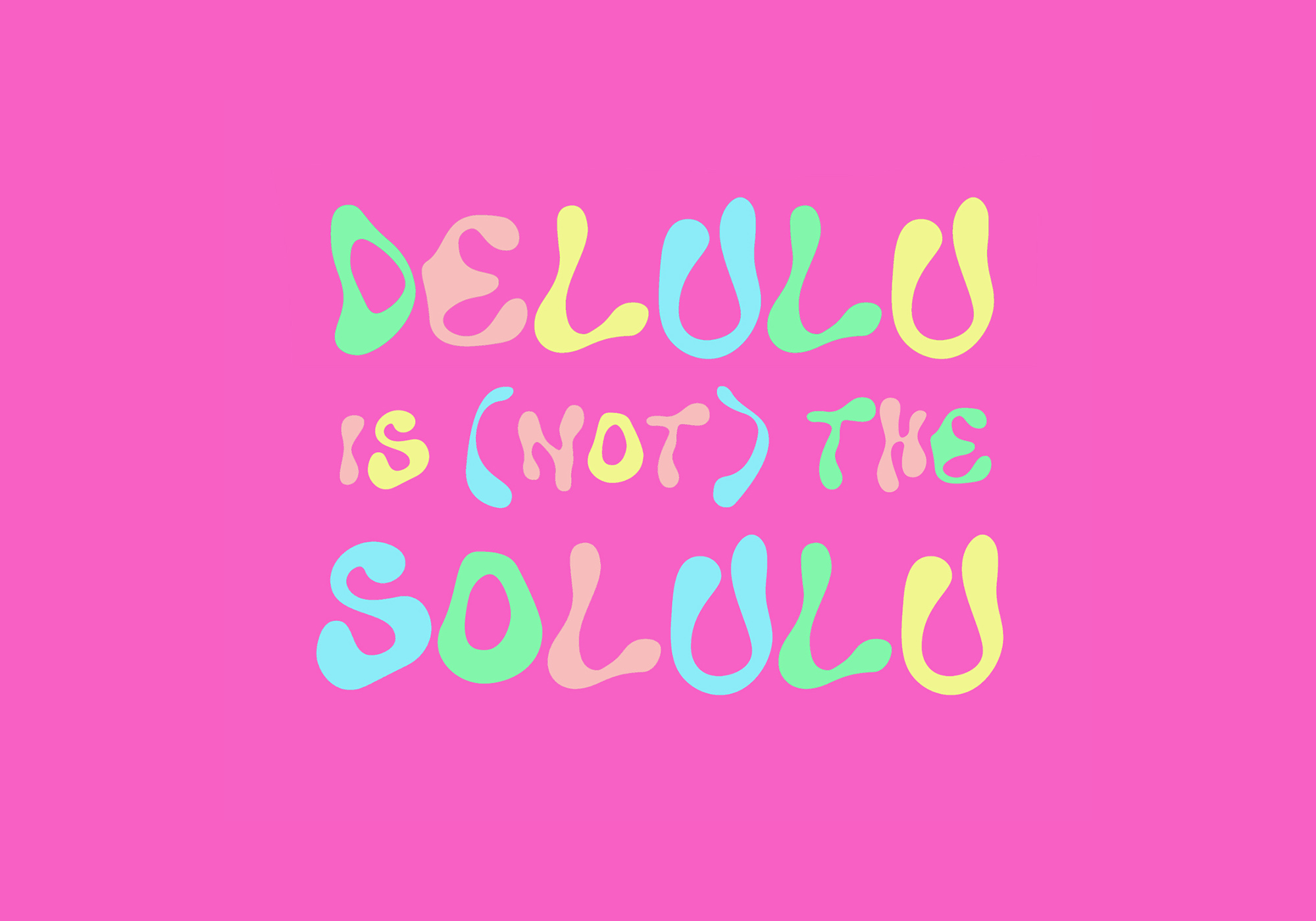
delulu is (not) the solulu
29 April – 20 June 2025
Artists: Boglárka DANKÓ, Emese KÁDÁR, Berta MÁRVÁNY, Rebeka RÁCZ and Anna TÁNCOS. Curator: Vanda SÁRAI
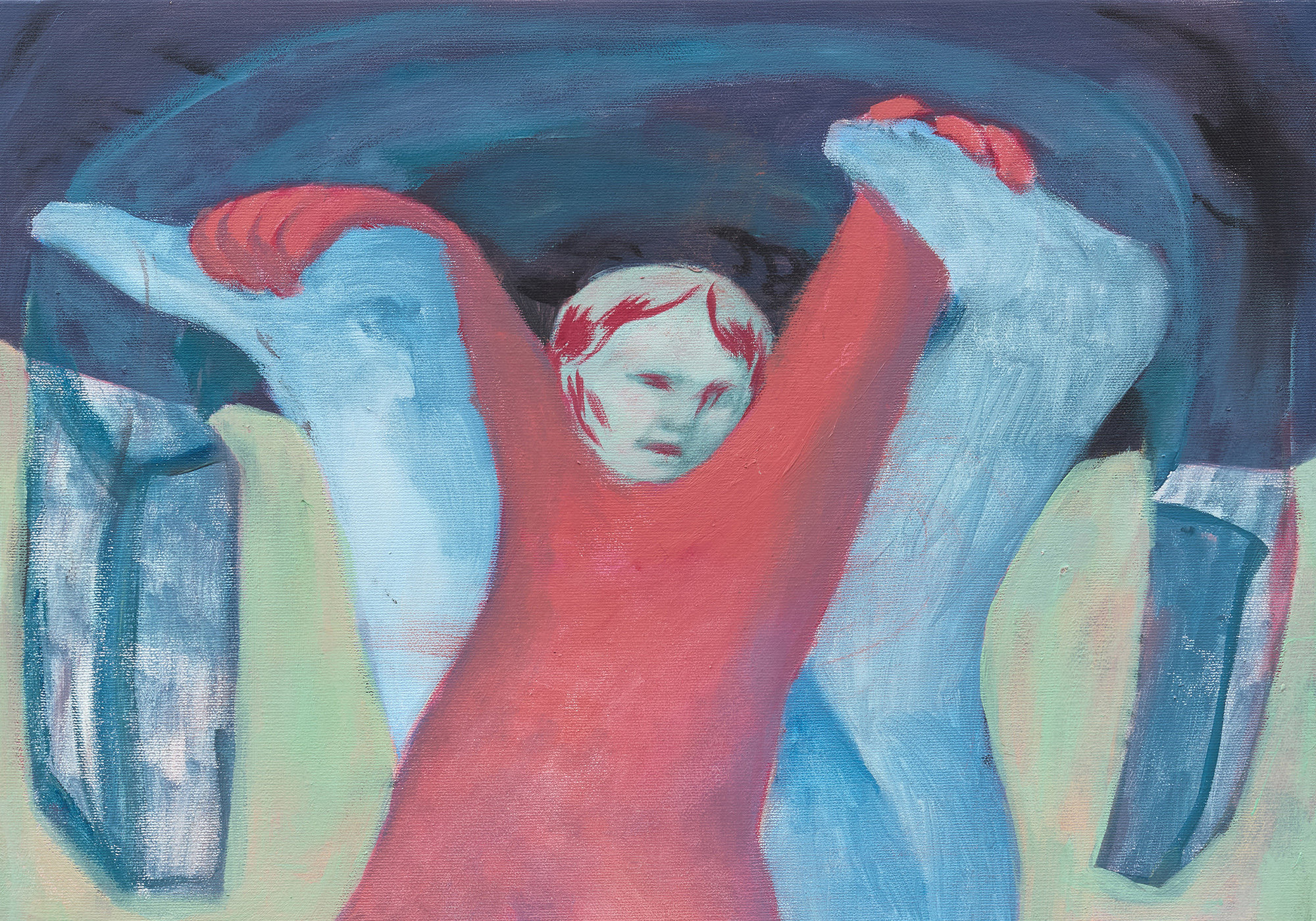
Eszter KÁLÓCZY / Kata TRANKER
Wandering troop of sensations
26 March 2025 – 25 April 2025
The joint exhibition of Eszter Kálóczy (1994) and Kata Tranker (1989) guides us through real and imagined situations, emotional and bodily narratives, and dimensions that feel both familiar and unknown. It takes us far and deep—to spaces enclosed by walls, to archaic figures, fragmented memories, frozen faces—perhaps the former characters of our lives. We find ourselves both participants and mere observers of our own present and the coexistence of our existence in a parallel past.
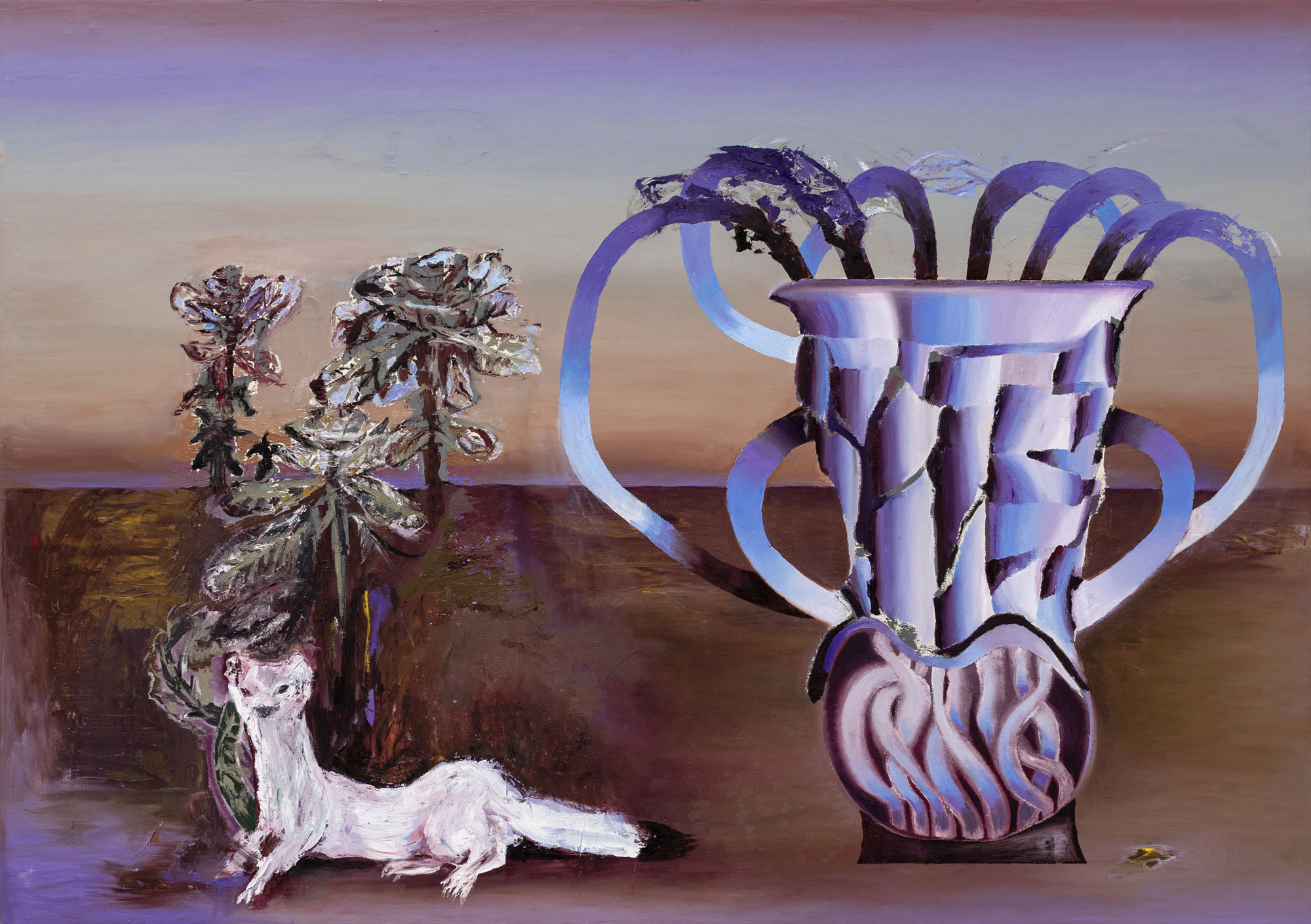
Vanda HUMINILOWICZ
Hand to Mouth
27 November 2024 - 28 February 2025
“So she ran to the arms of America
And she kissed the powers that be
And someone told me (someone told me)
That the gods believe in nothing
So with empty hands I pray
And I tell myself one day
They just might see me
They just might see me”
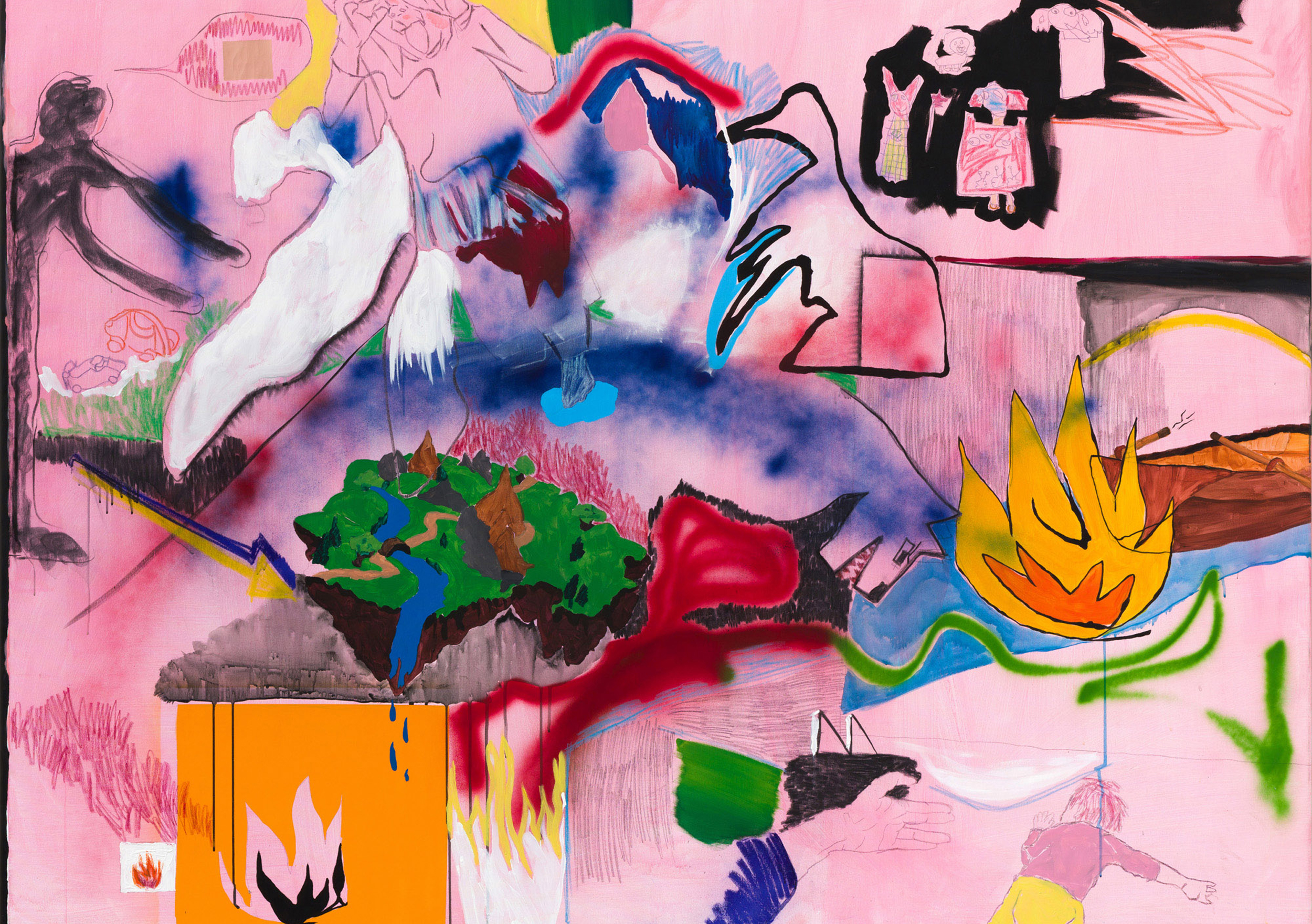
Kira KOVÁCS
Spraywall
16 October - 15 November 2024
The first solo exhibition of Kira Kovács (1998) at Rechnitzer Gallery presents a selection of her recent works and paintings from her university years.