a
a
Jakub JANOVSKÝ: Ground
Luca PATAKI:
Can't see the forest
for the trees
16 September - 4 November 2026
Jakub JANOVSKÝ: Ground
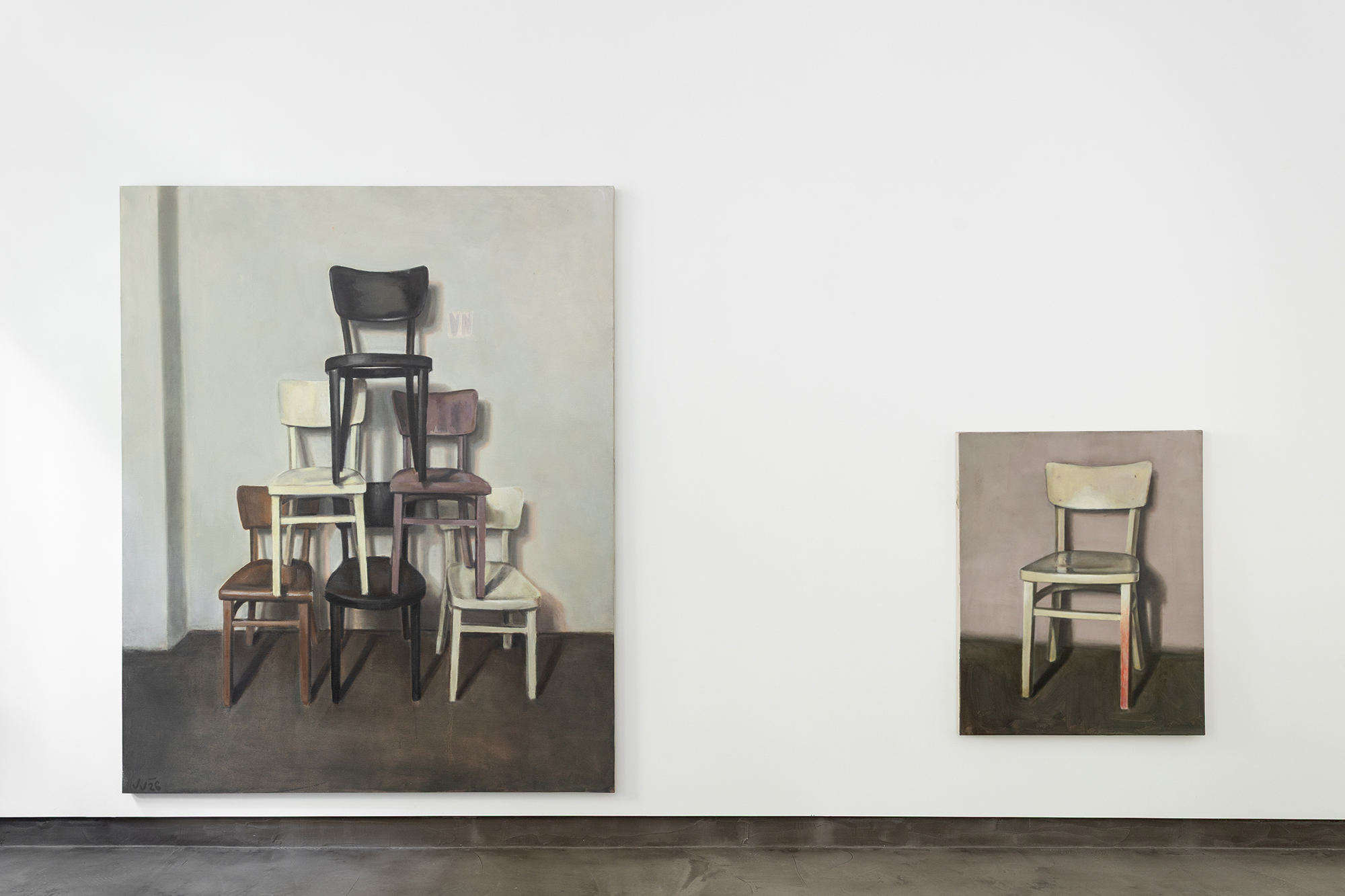
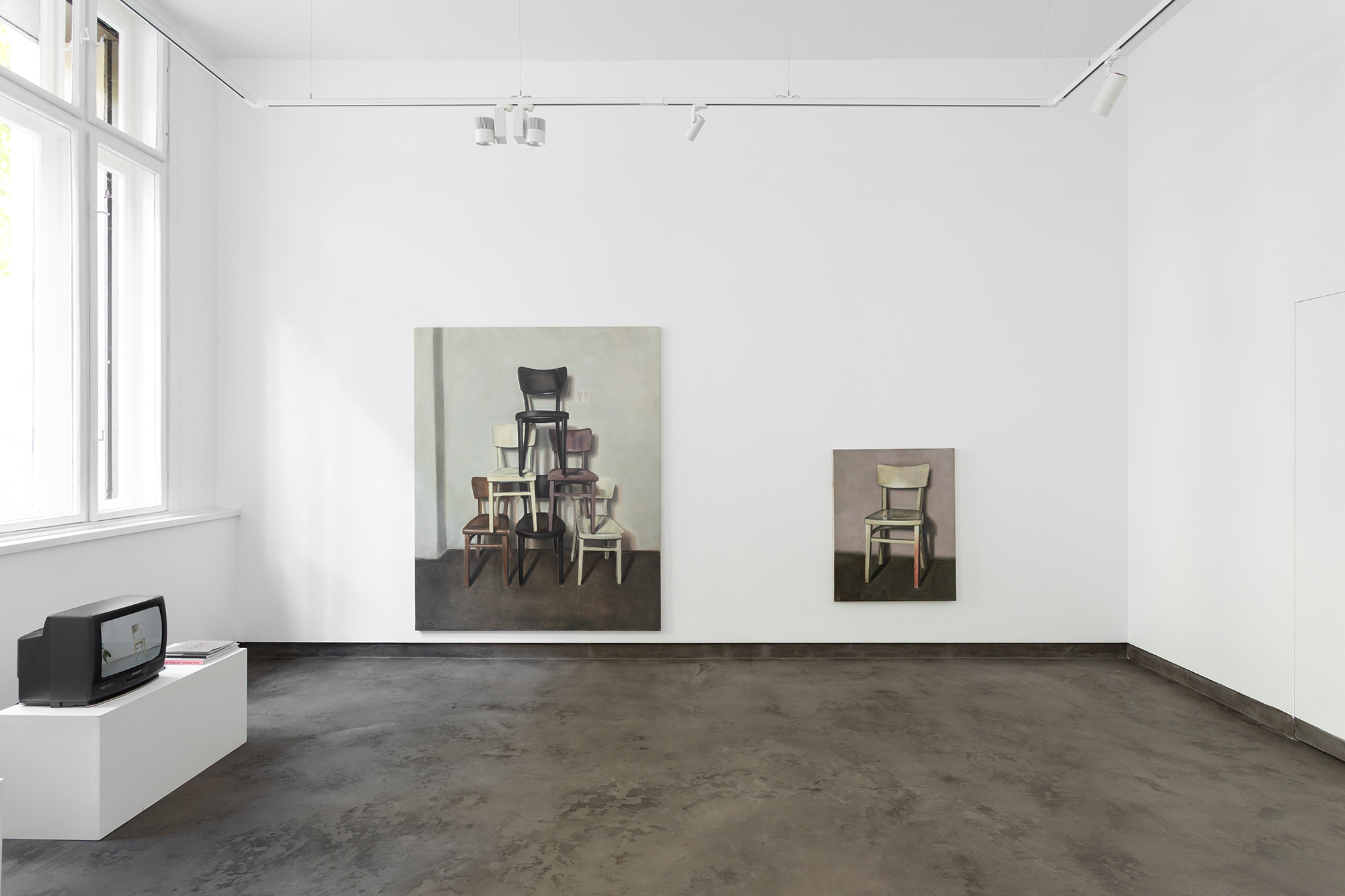
The works selected for the exhibition by Czech artist Jakub Janovský feature chairs. This object – which at first glance appears simple and ordinary – gradually transforms into something else over the course of the exhibition, and this transformation is best understood through the lens of the post-socialist period. In his slightly unsettling still lifes, these everyday chairs appear as remnants of a bygone world, standing alone without their users. Having almost lost their function, they lie around like props, as if waiting for someone to finally put them to use. Their forms may be familiar from school classrooms, hallways, or even university seminar rooms: their similarity to one another can also be interpreted as a critique of frontal, non-individualized education.
In certain paintings, various constructions are built from these chairs – we can only guess whether what emerges from them is a sculpture, a monument, or simply some kind of strange platform. Here, the artist has also begun to take an interest in the anthropomorphization of objects: the old chairs interact with one another as if they were human bodies, evoking the monumental human pyramids seen at mass gatherings and sporting events in former socialist countries. However, the chair structures do not reflect the collectivism and seemingly stable atmosphere of these festive spectacles; rather, they suggest a sense of uncertainty and fragility. This is underscored by the fact that Janovský often depicts them in a damaged state: with broken chair legs, peeling wood, or tilted and toppled over, they create an increasingly disturbing effect.
All of this is emphasized by the artist’s palette of brownish, gray, and off-white tones, from which only occasional flashes of more vivid red, blue, or yellow appear. Janovský’s paintings embody both the contemporary Western European figurative painting aesthetis – as represented by Luc Tuymans, along with its existentialist worldview – and the style of Eastern European movements, such as the small-town lethargy of the Cluj School. At the same time, his works create a unique visual world that serves as a memorial to the forgotten everyday life of the former Eastern Bloc countries.
Luca PATAKI: Can't see the forest for the trees
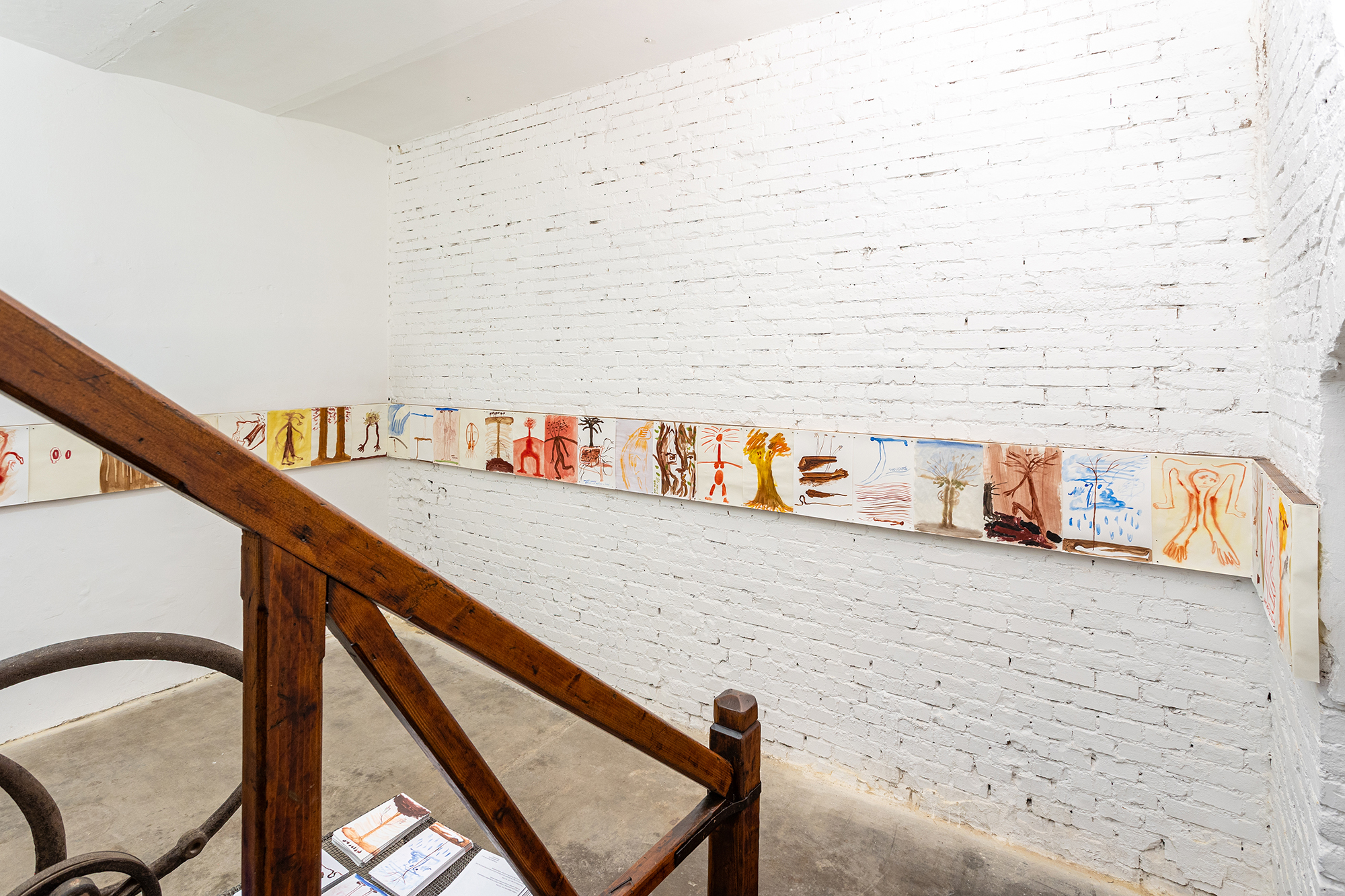
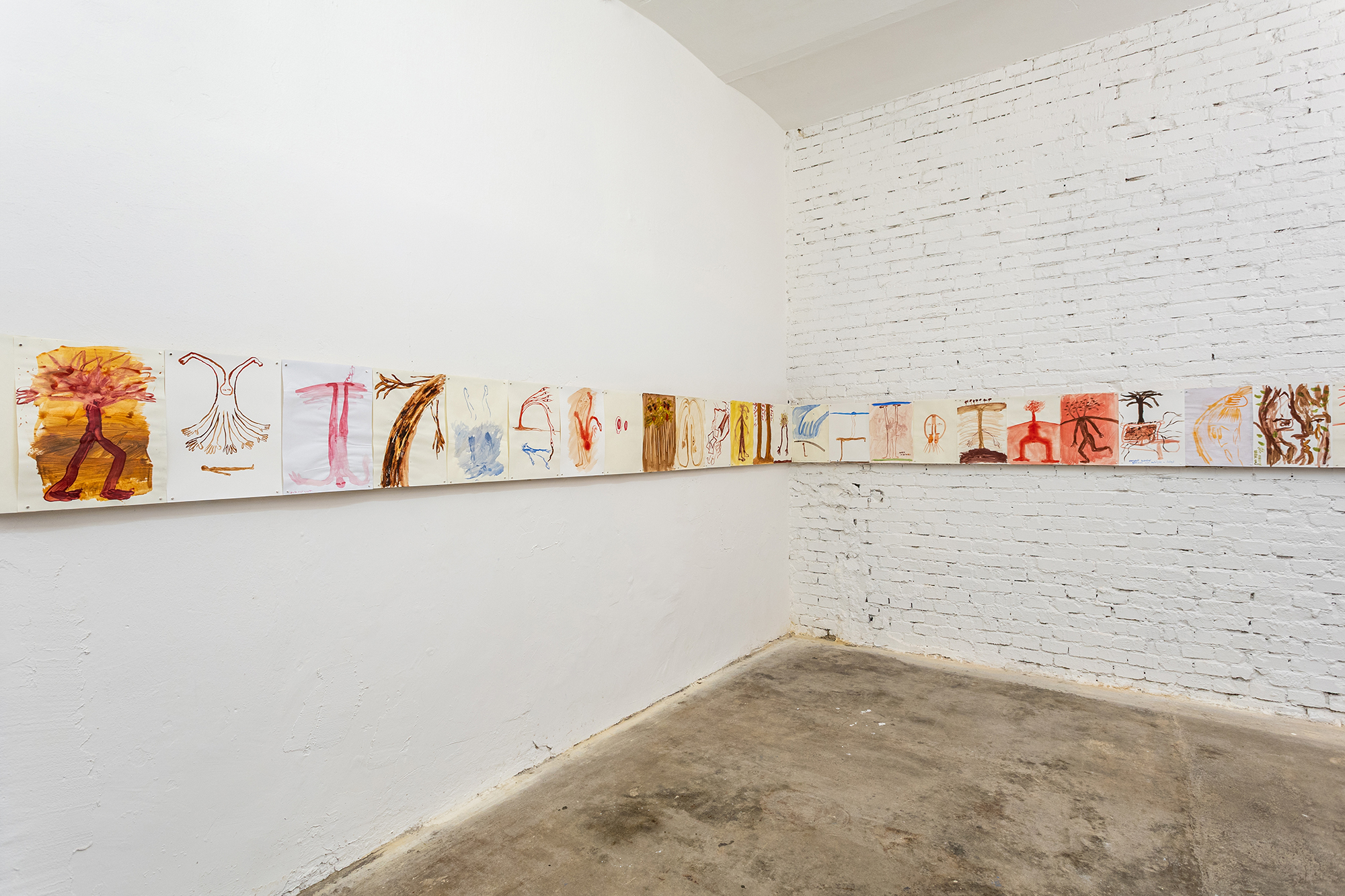
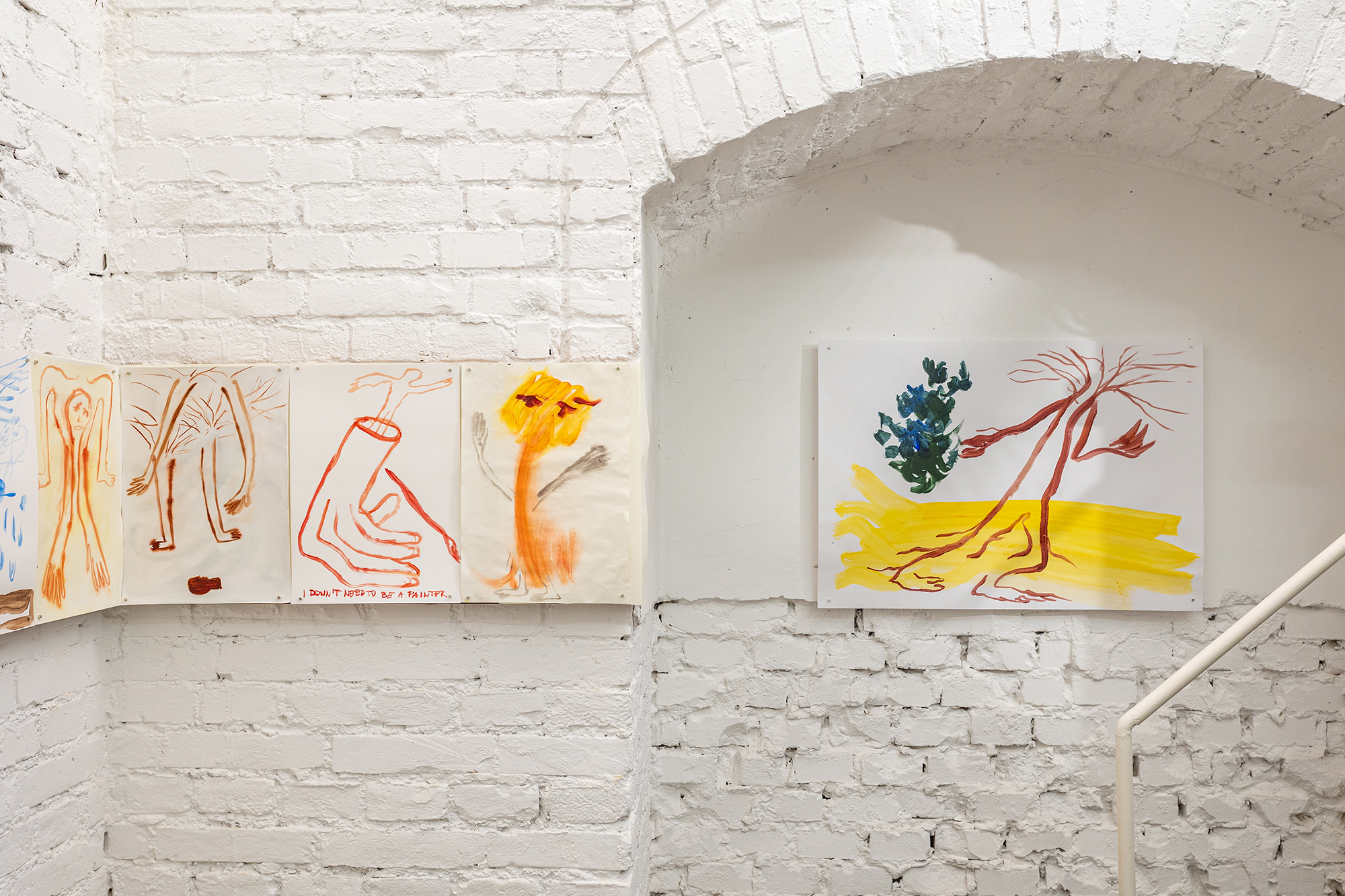
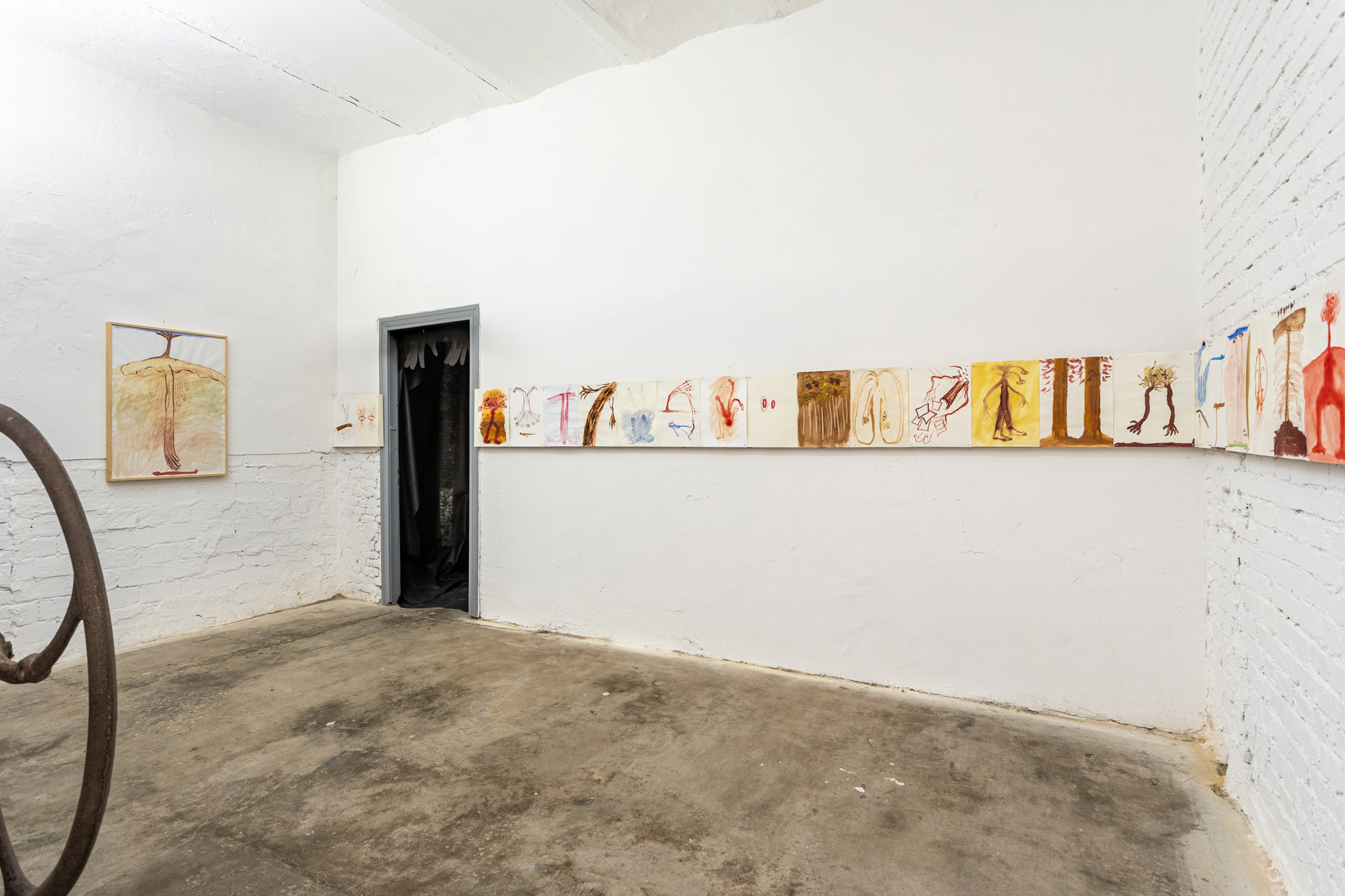
Trees whose roots come to life on their own. Trees that set out on their own; trees that transform into humans. Roots, hands, eyes. Luca Pataki’s dynamic drawings and paintings focus on the myriad layers of meaning associated with trees: she is interested in the processes of putting down roots, growth, transformation, or even hiding. In her works, personal experiences intertwine with universal themes such as the search for home, the experience of returning there, or the journey of finding one’s own path. Her figures sometimes wander lost in a forest full of secrets, and at other times transform into trees themselves, much like Daphne from Greek mythology; whether fleeing from an external force or from themselves.
In the folk tales and myths that strongly inspire Pataki, the forest serves as the setting for inner transformation and various trials. It marks the boundary between the safe world and the unknown: as a result of the experiences there, the hero may return to his familiar surroundings as a different person. At the same time, the artist is not interested in linear storytelling or the hero’s triumph, but rather in the very process of transformation that takes place in the dark forest – a process that posits absence, mystery, and uncertainty as fundamental experiences of existence. In her current exhibition, Pataki reflects on these situations and moods through her site-specific thinking within the framework of this exhibition.
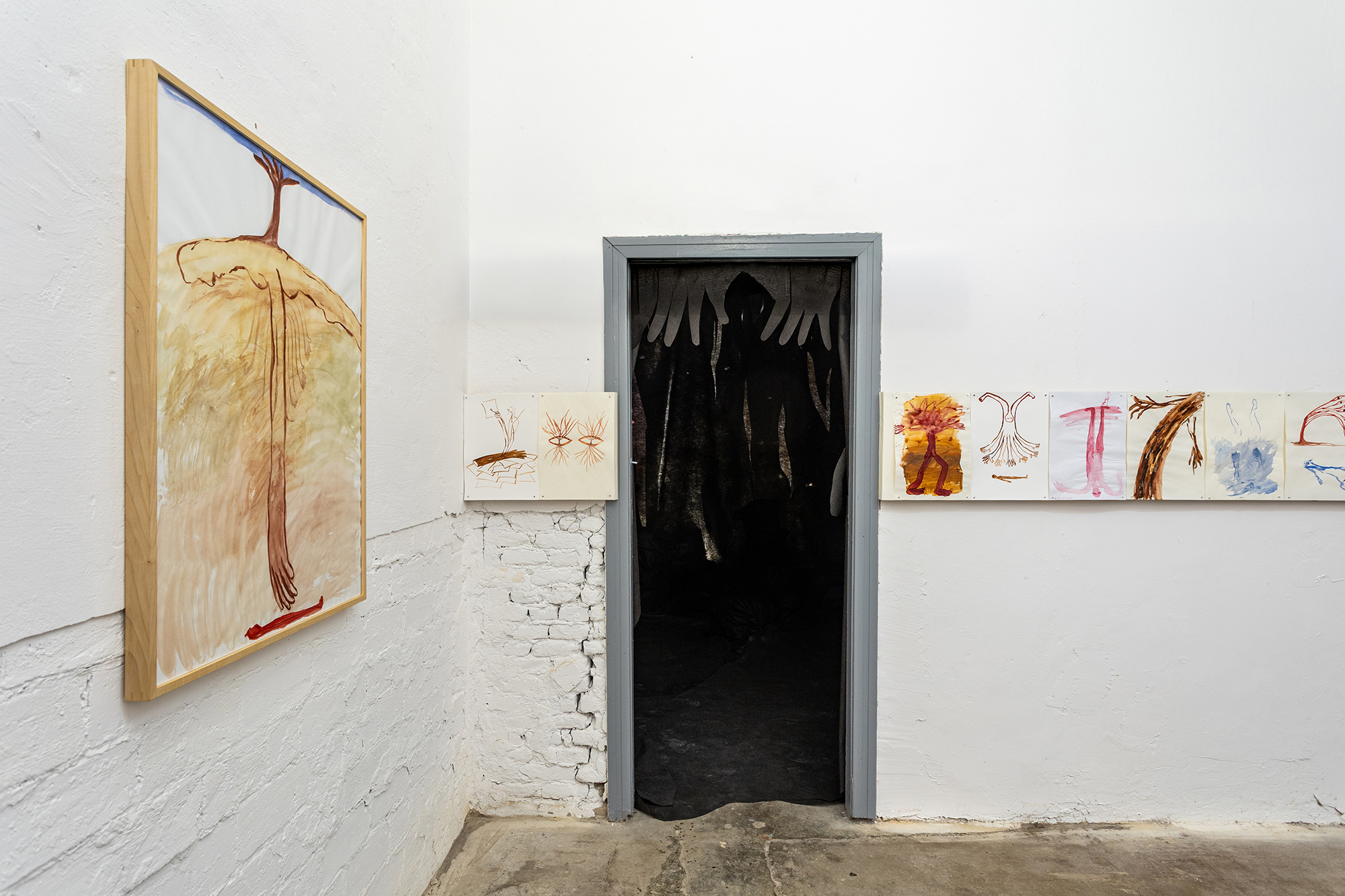
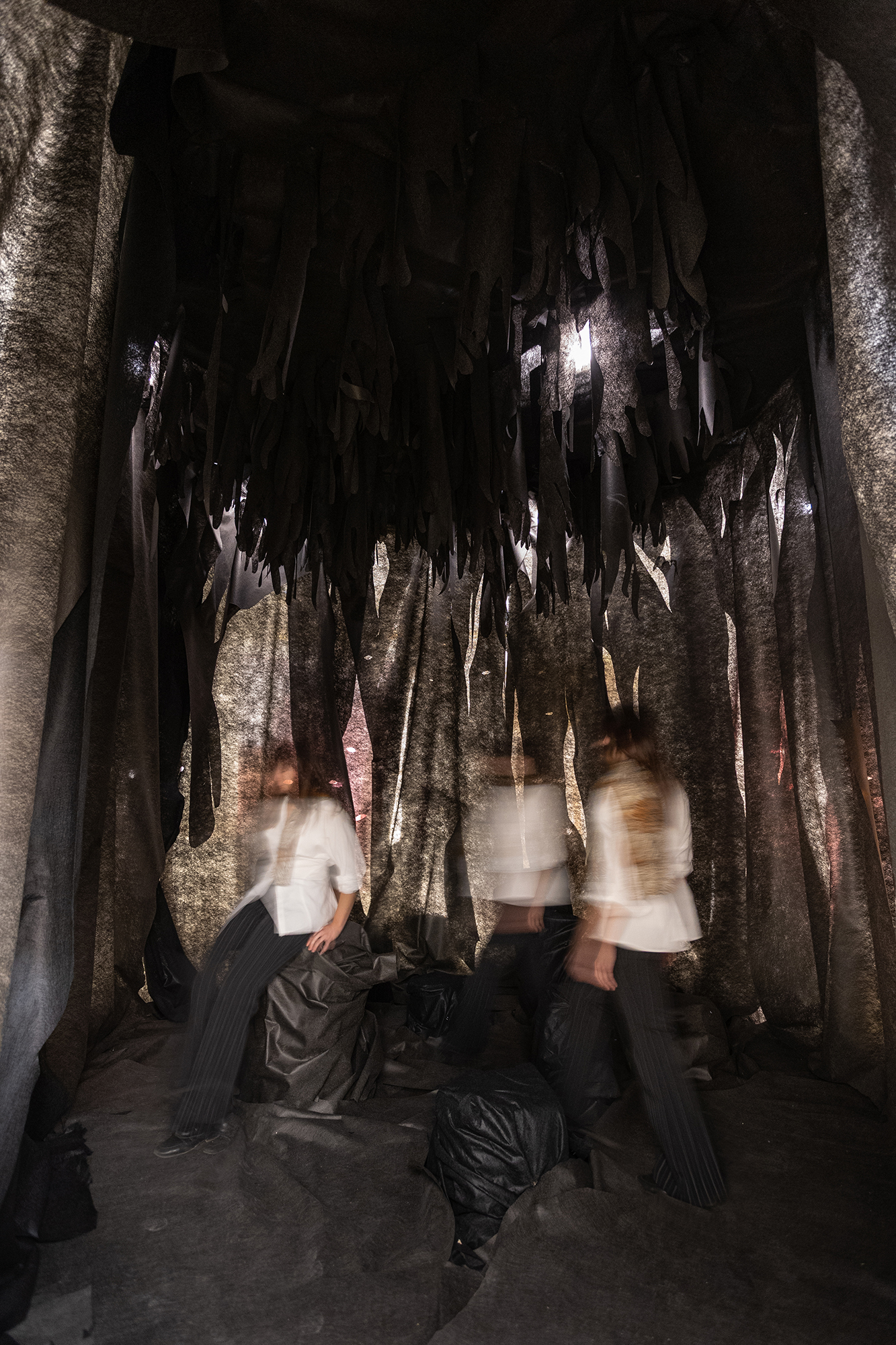
Site-specificity and an engagement with space were already characteristic of Luca Pataki’s earlier works. The gallery’s lower space is divided into two parts: the outdoor area is dominated by the artist’s expressive drawings, which introduce the visitor to her thinking – inspired by the various myths mentioned above – on cyclicality, transformation, and, not least, the pivotal role that creation and drawing play in the artist’s life. This stands in contrast to the interior space, which can be interpreted as a dark forest or a cave. No light penetrates here; our eyes must adjust to the dim light and to the change in our vision within a new environment. In this dark installation – which evokes both the subconscious and the act of inward reflection – the artist’s large-scale paintings appear through tiny slits like cave paintings, presenting works built from a similar set of motifs from a perspective entirely different from that of the outdoor space.
While the artist invites visitors to observe their own altered perceptions, the installation is further enhanced by another element: sound. Excerpts and fragments – both in English and Hungarian – from the publication made for the occasion of this exhibition are played within the interior space, evoking a sort of “stream of consciousness” that offers a glimpse into the artist’s sense of humor, her relationship to language, storytelling and her self-reflective working method. In her drawings and paintings, which excitingly blend image and text, it is not concrete answers and interpretations that arise, but rather a multitude of questions that often reflect on the act of creation itself and the role of art. Pataki is interested in the tensions between outside and inside, dark and light, emptiness and fullness, and these themes run through the various levels of her new site-specific installation as well.
Featured works
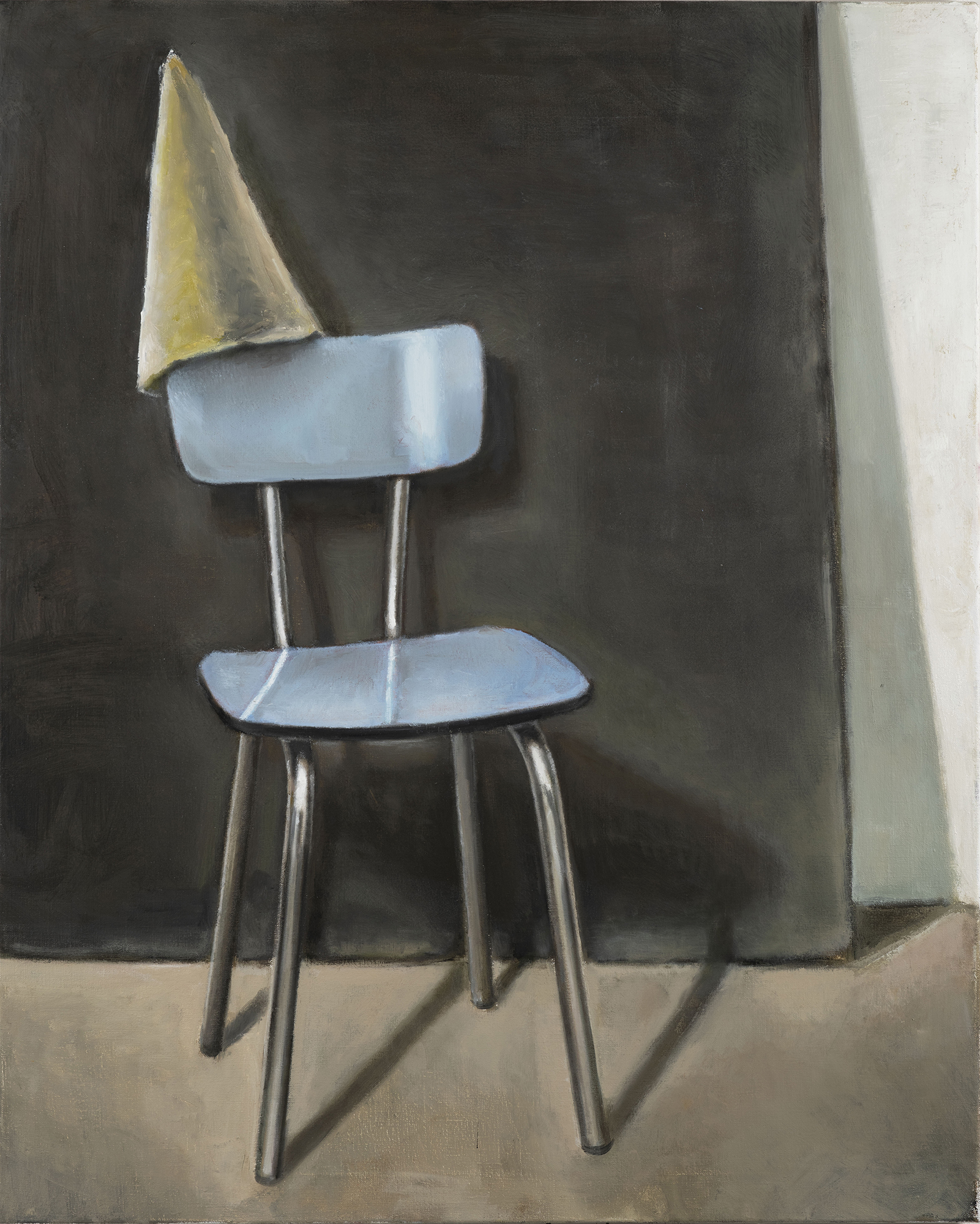
Jakub JANOVSKY
Blue, 2026
oil on canvas, 100×80 cm
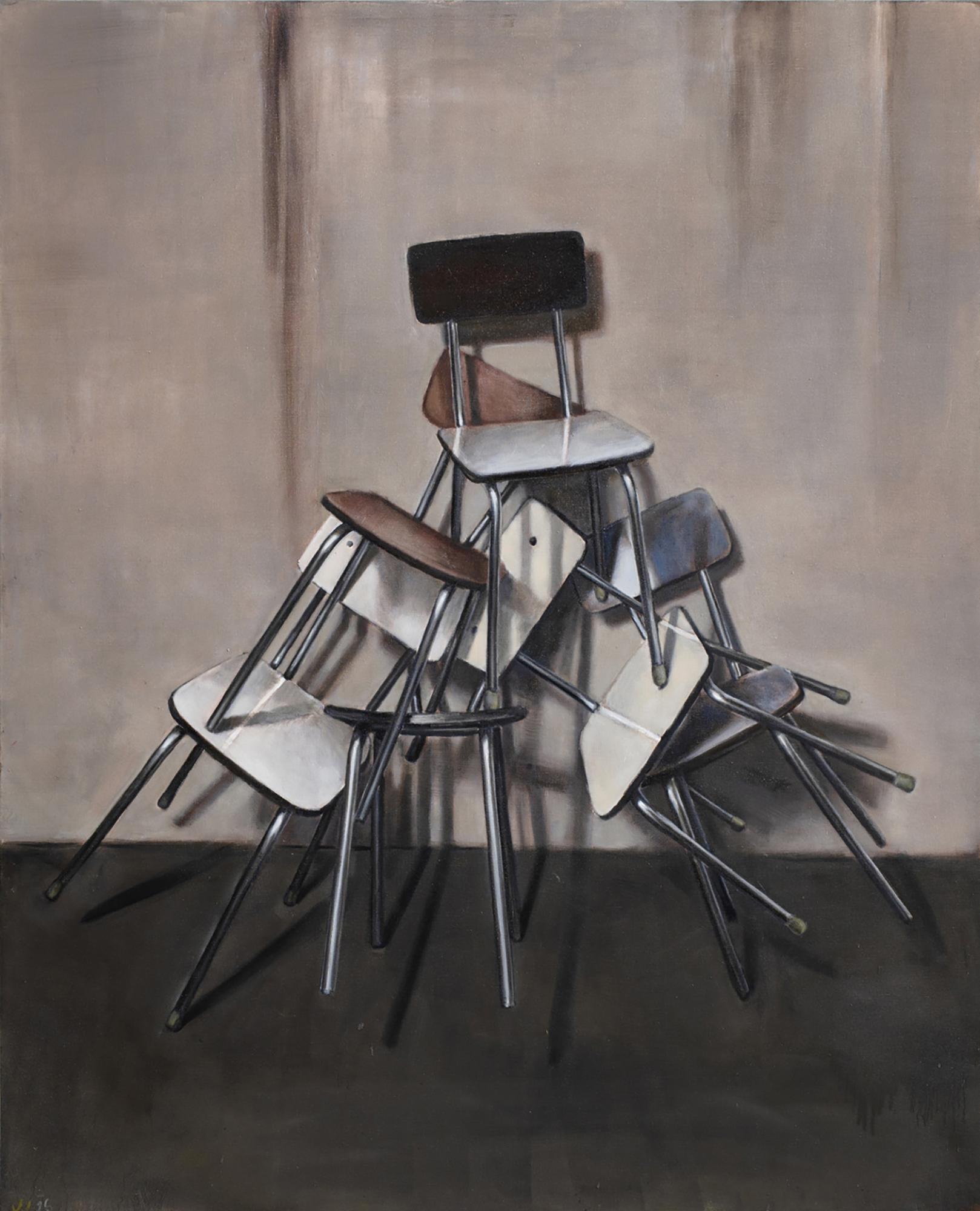
Jakub JANOVSKY
Six Chairs (Chaos), 2026
akrylic and oil on canvas, 120×160 cm
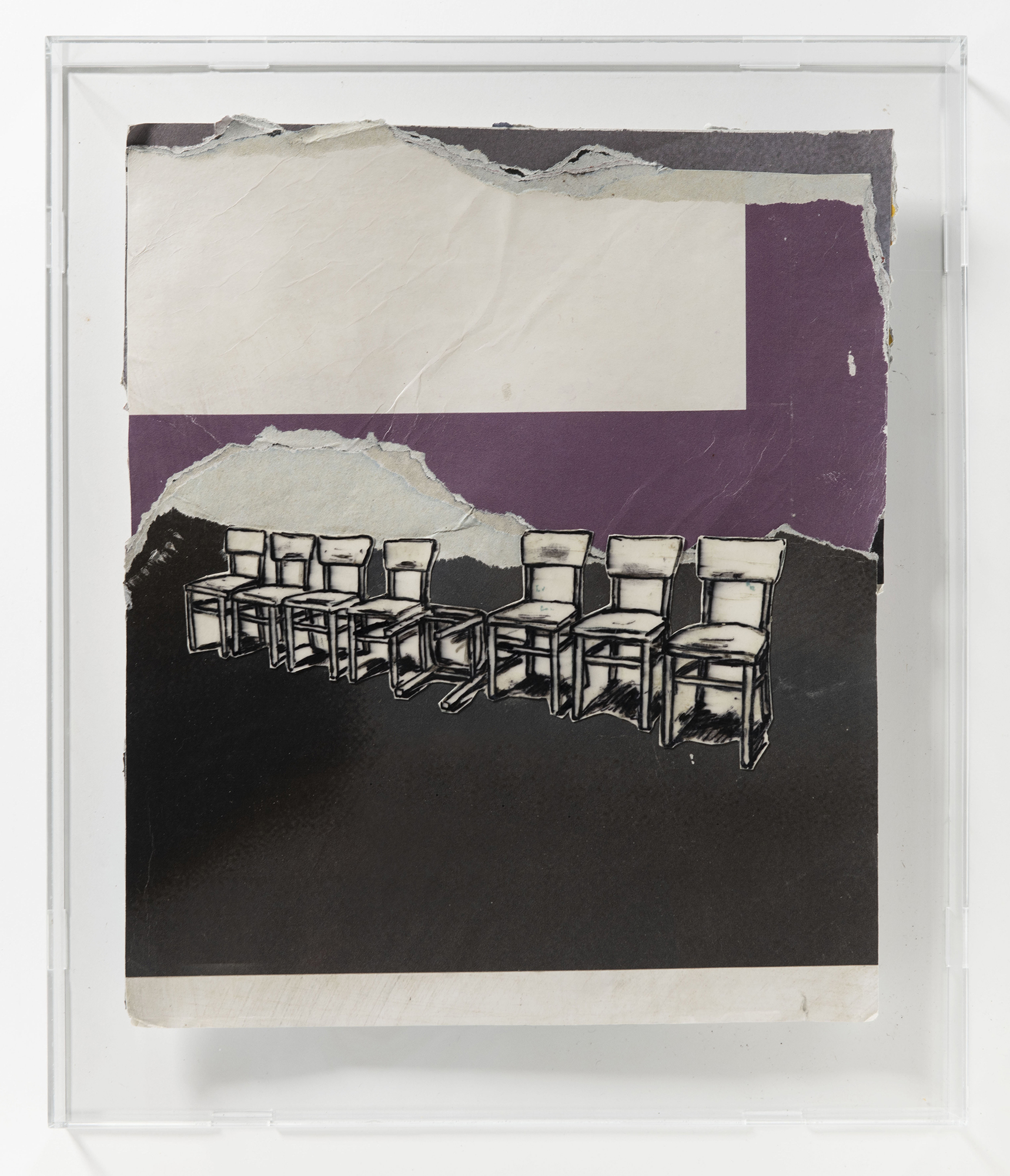
Jakub JANOVSKY
Eight Chairs, 2026
acrylic, ink, silicon, paper, plexiglass, 45×39cm
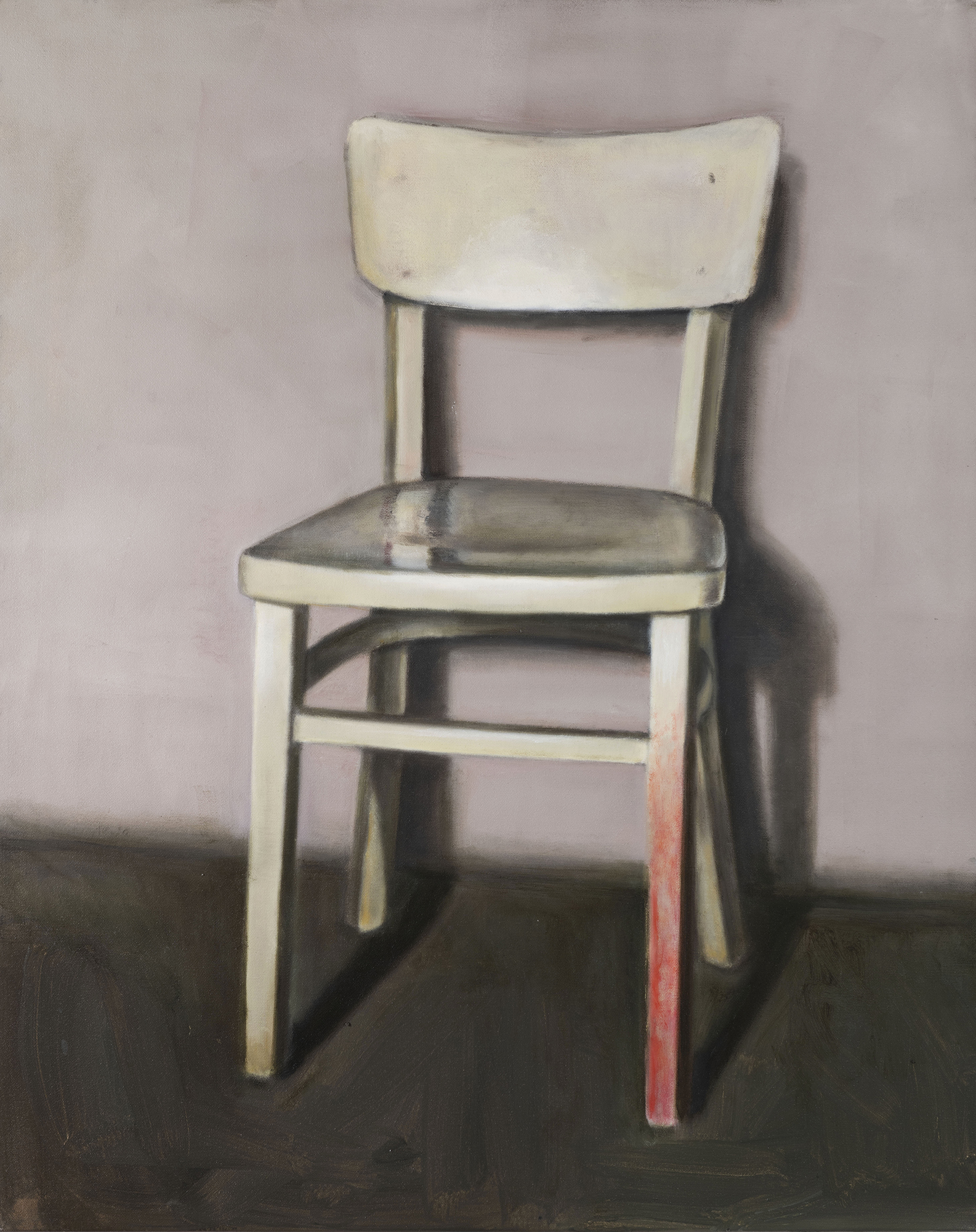
Jakub JANOVSKY
Infection (Rose), 2026
acrylic and oil on canvas, 100×80 cm
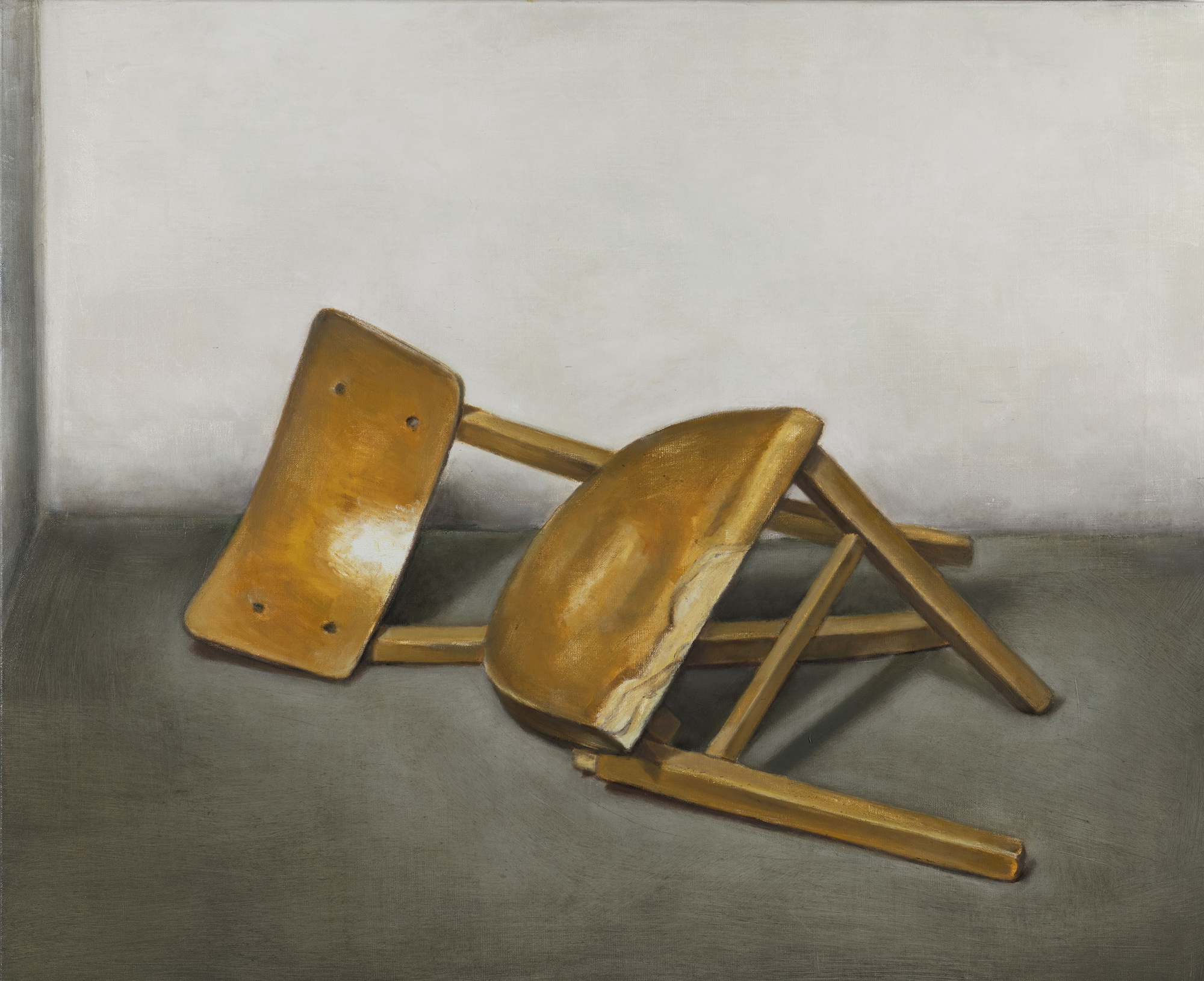
Jakub JANOVSKY
Broken Chairs (Bones), 2026
oil on canvas, 90×110 cm
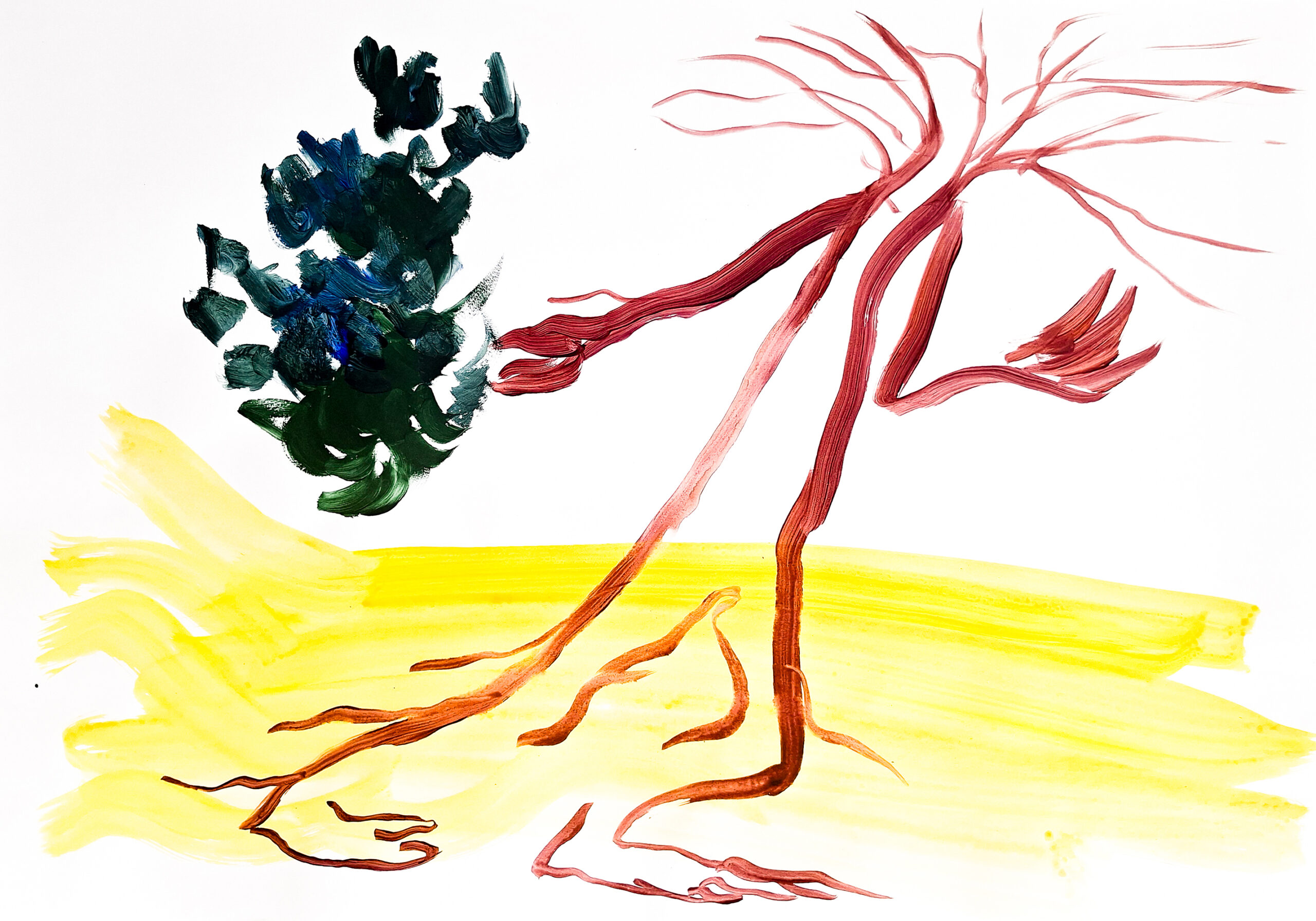
Luca PATAKI
Drawing Series, 2026
acrylic, tempera, paper, 70×100 cm
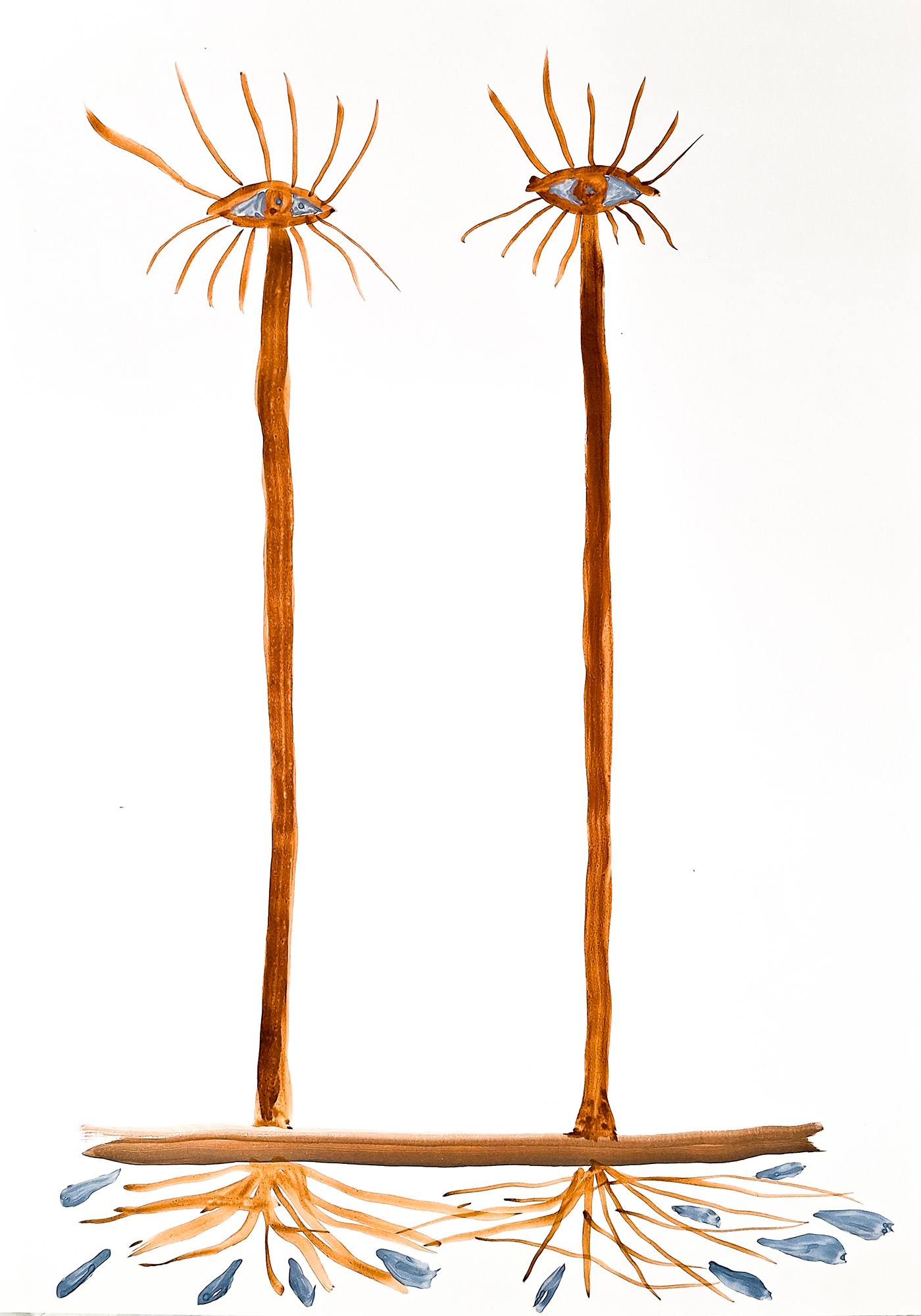
Luca PATAKI
Drawing Series, 2026
acrylic, tempera, paper, 100×70 cm
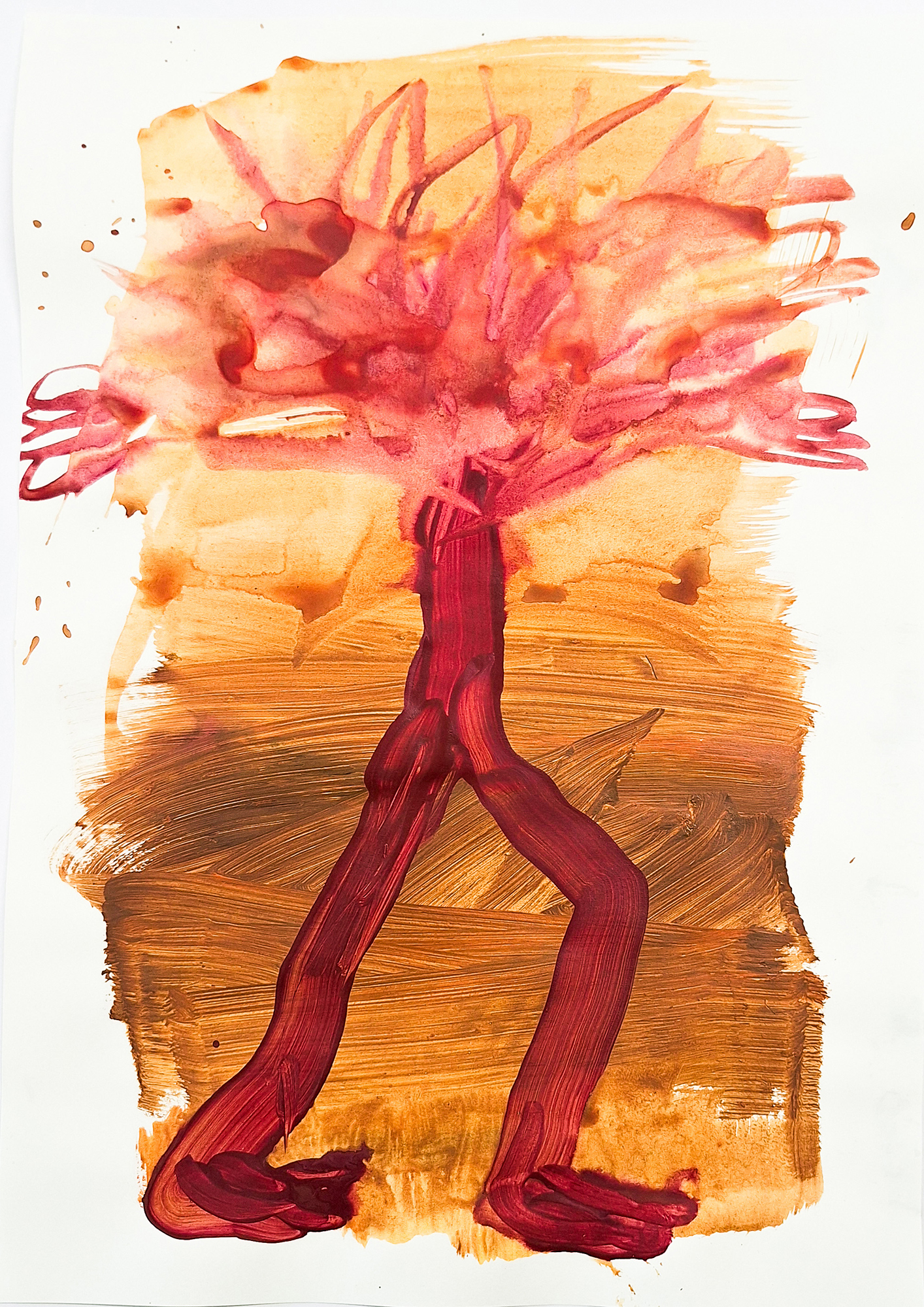
Luca PATAKI
Drawing Series, 2026
acrylic, tempera, paper, 29,7×42 cm
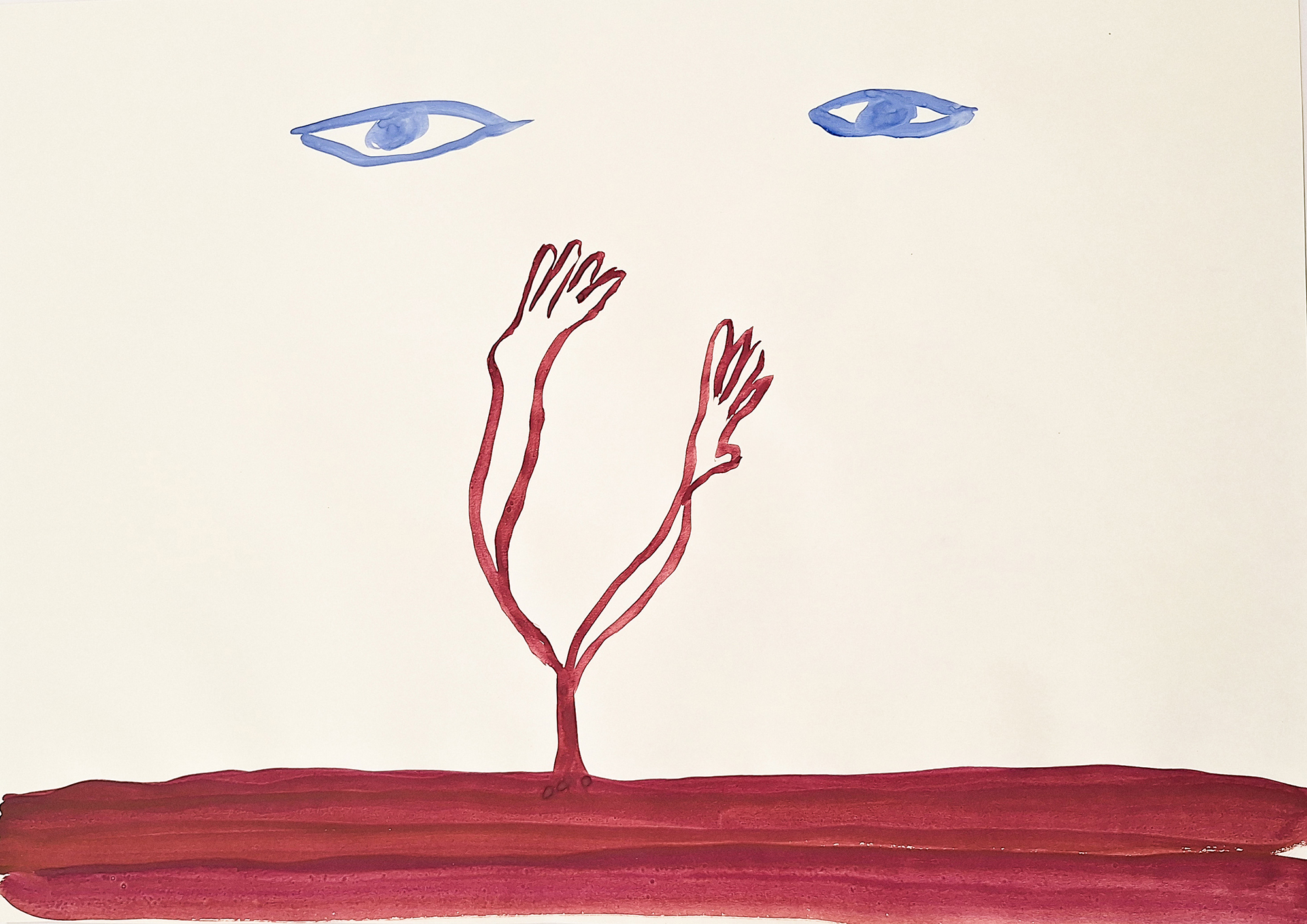
Luca PATAKI
Drawing Series, 2026
acrylic, tempera, paper, 29,7×42 cm
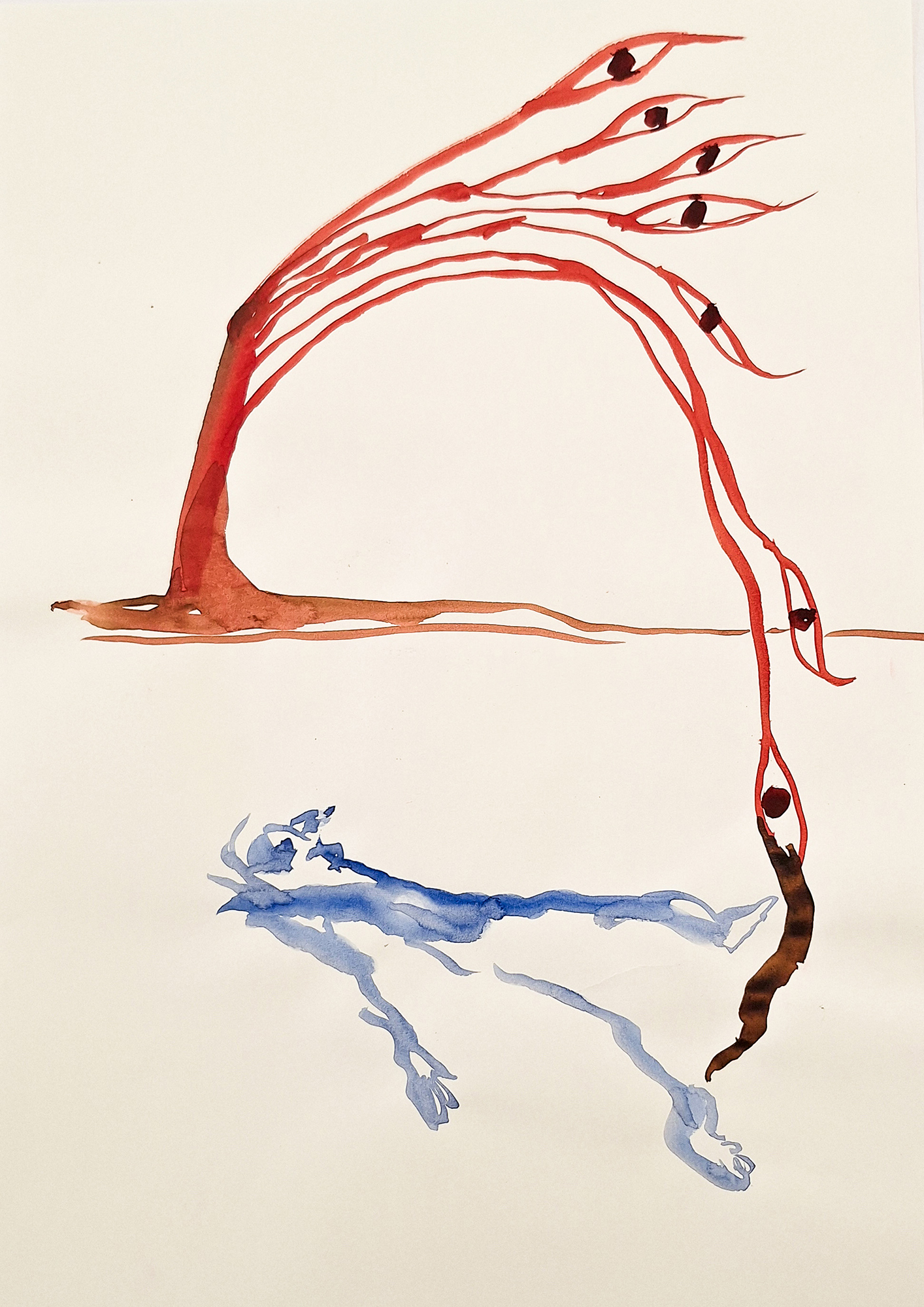
Luca PATAKI
Drawing Series, 2026
acrylic, tempera, paper, 29,7×42 cm